Address
Room 2301C, 23rd Floor, Building 1, jinghu Commercial center, No, 34, Liangzhuang Street, Eri District, Zhengzhou City, Henan province
Work Hours
Monday to Friday: 7AM - 7PM
Weekend: 10AM - 5PM
Address
Room 2301C, 23rd Floor, Building 1, jinghu Commercial center, No, 34, Liangzhuang Street, Eri District, Zhengzhou City, Henan province
Work Hours
Monday to Friday: 7AM - 7PM
Weekend: 10AM - 5PM

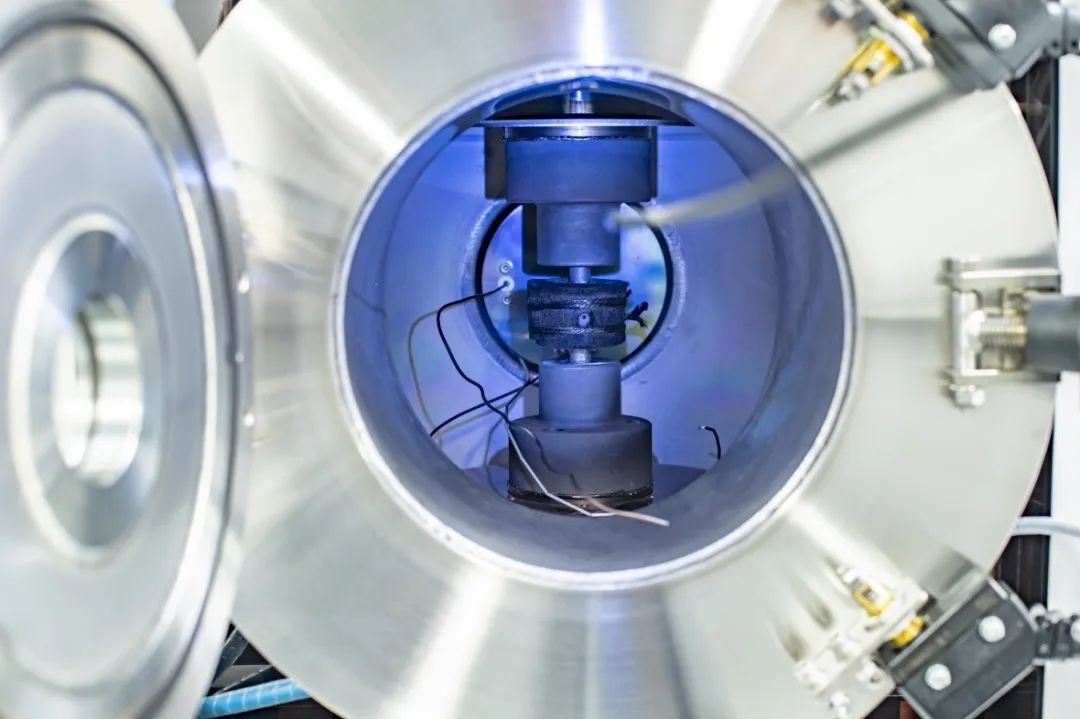
In 2025, the advanced and cutting-edge materials being actively researched will encompass a wide range of fields, including energy and environmental materials, electronic and information materials, biological and biomimetic materials, advanced structural materials, and low-dimensional materials. These materials include, but are not limited to, sustainable energy materials, quantum materials, biomedical materials, advanced high-temperature structural materials, two-dimensional materials, and metamaterials. Each possesses unique properties and broad application prospects. These include providing efficient solutions for energy storage and conversion, promoting the miniaturization and high performance of electronic devices, facilitating innovative biomedical development, meeting the demand for high-performance materials in high-end equipment such as aerospace, and expanding the physical boundaries of materials. These materials are current hot topics in materials science research and key pillars for future technological development.

1.Energy and Environmental Materials
Sustainable energy materials: For example, solar cell materials. The combination of perovskite materials and organic materials has given rise to promising new solar cells, which are gradually moving towards large-scale commercialization.
Thermoelectric materials: These materials enable direct conversion of heat into electricity, lacking moving parts, offering high reliability and long lifespans. They hold significant application prospects in energy recycling and micro-nanoenergy.
Nanoenergy materials: These include nanostructured lithium-ion battery electrode materials and supercapacitor electrode materials. They can significantly improve energy storage density and charge and discharge rates, providing more efficient energy solutions for portable electronic devices and electric vehicles.
Eco-friendly materials: These materials, such as biodegradable plastics and eco-friendly building materials, offer environmentally friendly, biodegradable, and recyclable properties. They help reduce environmental pollution and resource waste, promoting sustainable development.

2.Advanced Electronic and Information Materials
Quantum materials: such as topological insulators and Majorana fermions, possess unique quantum states and physical properties, showing significant potential for applications in quantum computing and quantum communications, promising ultra-high-speed, ultra-low-energy information processing.
Optoelectronic materials: including organic light-emitting diode (OLED) materials and quantum dot luminescent materials, offer advantages such as high luminous efficiency, low power consumption, and flexibility. They are widely used in displays and lighting, providing strong support for the development of next-generation display technologies.
Magnetic materials: such as high-performance permanent magnetic materials and soft magnetic composites, are widely used in motors, transformers, and sensors. With the development of industries such as new energy vehicles and 5G communications, the demand for high-performance magnetic materials continues to increase.
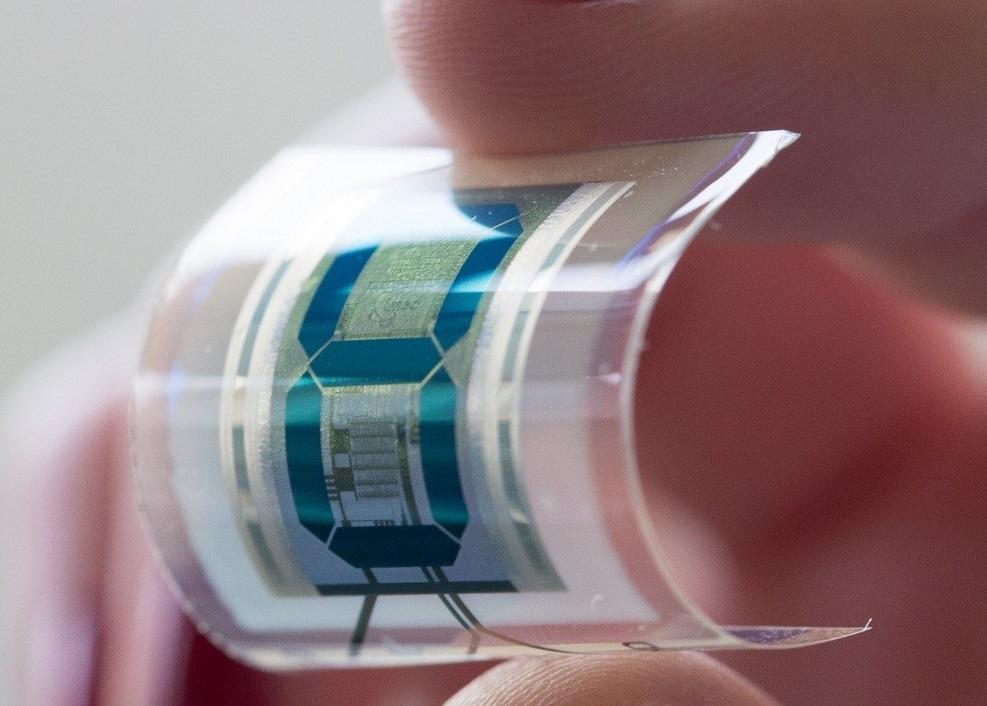
Flexible electronic materials: such as flexible displays, flexible sensors, and flexible batteries, possess properties such as bendability, foldability, and stretchability, meeting the needs of emerging applications such as wearable devices and electronic skin, and providing more possibilities for innovation in the form and function of electronic devices.
3.Advanced Bio- and Bionic Materials
Biomedical materials: such as biodegradable scaffolds, tissue engineering scaffolds, and sustained-release drug delivery materials, are highly compatible with human tissue, promoting tissue regeneration and repair, and improving disease treatment outcomes. They have broad applications in cardiovascular disease, orthopedic conditions, and cancer treatment.
Anti-epidemic and antimicrobial materials: such as nanomaterials with broad-spectrum antimicrobial properties and photocatalytic antimicrobial materials, can be used to manufacture antimicrobial masks, protective clothing, and medical devices, effectively preventing the spread and infection of bacteria and viruses and safeguarding public health.
Advanced biomass energy materials: such as biomass resources converted into high-value-added energy materials such as biodiesel, bioethanol, and biochar, achieve efficient utilization of biomass resources and sustainable energy supply, reducing reliance on traditional fossil fuels.

4.Advanced structural materials
Advanced high-temperature structural materials: such as high-temperature alloys and ceramic-based composites, maintain excellent mechanical properties and stability in extremely high-temperature environments. They are widely used in aerospace, energy, and power generation, and are key materials for critical components in high-performance engines and gas turbines.
Advanced high-entropy alloys: composed of five or more primary elements in near-equiatomic ratios, exhibit excellent mechanical properties, corrosion resistance, and wear resistance, meeting the high-performance material requirements of high-end equipment in aerospace, marine engineering, and other fields.
Advanced light metal materials: such as high-strength aluminum alloys, magnesium alloys, and titanium alloys, offer advantages such as low density, high specific strength, and corrosion resistance. Their widespread application in the automotive, aerospace, and rail transportation sectors is contributing to lightweighting vehicles, reducing energy consumption and environmental pollution.

5.Low-dimensional materials
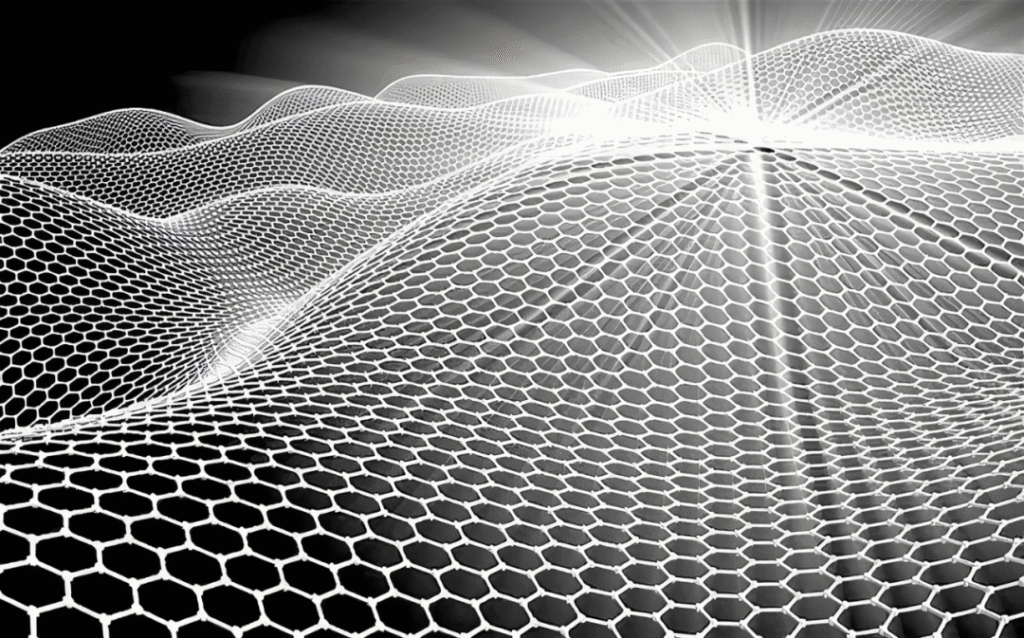
Two-dimensional materials: In addition to the well-known graphene, there are also molybdenum disulfide, black phosphorus, silicene, and germanene. These materials possess unique physical, chemical, and electronic properties, such as high carrier mobility, excellent mechanical strength, and good thermal conductivity, showing great application potential in electronic devices, sensors, energy storage, and other fields.
Micro- and nanomaterials: These include various micro- and nanoscale structural and functional materials, such as nanowires, nanotubes, and nanoparticles. By precisely controlling their size, shape, and composition, material properties can be manipulated and optimized, enabling the fabrication of high-performance micro- and nanosensors, actuators, and energy devices.
Advanced fiber materials: These include high-performance carbon fibers, aramid fibers, and basalt fibers. These materials offer advantages such as high strength, high modulus, high-temperature resistance, and corrosion resistance. They are widely used in aerospace, defense, military, and sports equipment, and serve as key reinforcements in the manufacture of advanced composite materials.
6.Other cutting-edge materials
Metamaterials: are a class of artificial materials that, through the design and manipulation of their subwavelength structures, possess electromagnetic, optical, and mechanical properties not found in conventional natural materials. Examples include left-handed materials, “invisibility cloaks,” and perfect lenses. These materials have found applications in optics, communications, defense, and other fields, and are constantly expanding into new areas.
Liquid metals: possess unique physical and chemical properties, such as a low melting point, high conductivity, excellent fluidity, and deformability. Basic research on their applications has become a major scientific frontier and hot topic, attracting widespread international attention. They hold broad application prospects in energy, thermal control, electronics and information technology, advanced manufacturing, defense and military, flexible intelligent robotics, and biomedical health.