Address
Room 2301C, 23rd Floor, Building 1, jinghu Commercial center, No, 34, Liangzhuang Street, Eri District, Zhengzhou City, Henan province
Work Hours
Monday to Friday: 7AM - 7PM
Weekend: 10AM - 5PM
Address
Room 2301C, 23rd Floor, Building 1, jinghu Commercial center, No, 34, Liangzhuang Street, Eri District, Zhengzhou City, Henan province
Work Hours
Monday to Friday: 7AM - 7PM
Weekend: 10AM - 5PM

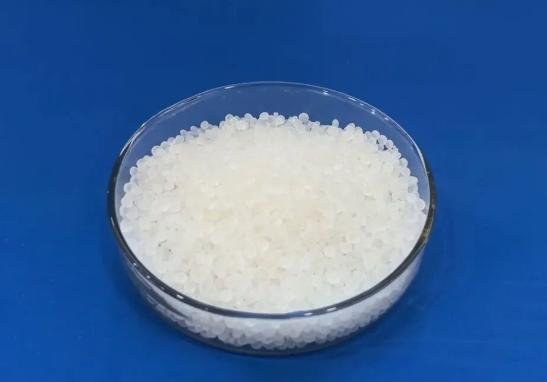
UV light stabilizers play a crucial role in the UV curing process, and storage stability is a key performance consideration when designing UV formulations.
UV light stabilizers are primarily used to improve the stability and performance of UV systems (such as UV inks, UV coatings, and UV adhesives). They inhibit or mitigate the degradation effects of light on materials through various mechanisms of action. They also minimize the free radicals that naturally slowly generate in a light-free environment, thereby minimizing the shelf life of the product.
The main function of UV system stabilizer
Light Shielding: Some UV stabilizers can shield materials from UV rays, reducing their direct exposure to the material and thus protecting it from UV damage.
Absorbing and Transferring Light Energy: These stabilizers convert absorbed UV energy into harmless heat or other forms of energy, preventing it from damaging the chemical bonds of the material.
Quenching or Capturing Free Radicals: During the UV-curing process, UV stabilizers can quench or capture free radicals excited by UV rays, thereby preventing free radical chain reactions and slowing the aging process of the material.
Classification of UV system stabilizers
UV stabilizers can be categorized into various types based on their mechanism of action and chemical composition, including but not limited to:
Ultraviolet absorbers: These absorb UV light and convert it into harmless heat.
Hindered amine light stabilizers (HALS): These stabilizers capture free radicals and form stable nitroxide radicals, thereby preventing free radical chain reactions.
Quenchers: These, such as certain metal complexes, quench the excited state of UV-excited molecules or groups, returning them to their ground state.
Antioxidants: Although primarily designed to prevent oxidation, they can also play a stabilizing role in certain UV systems.
Common stabilizers include hydroquinone, p-methoxyphenol, p-benzoquinone, 2,6-di-tert-butylcresol, phenothiazine, and anthraquinone.
Phenolic stabilizers can improve the storage stability of thiol-ene formulations by converting free radicals generated by the charge transfer interaction between the thiol and ene components into inert species. Therefore, if free radicals are involved in reactions in the system, phenolic stabilizers can significantly improve storage stability.
Selection and Application of UV Stabilizers
When selecting a UV stabilizer, consider the following factors:
UV system type: Different UV systems (such as UV inks, UV coatings, and UV adhesives) require different stabilizers.
Main formulation: The type of resin, monomer, and photoinitiator selected.
Substrate type: Different materials have varying UV sensitivity and light resistance, requiring the appropriate stabilizer.
Usage environment: The material’s operating environment, whether indoors or outdoors, at high or low temperatures, etc.
Development Trends
High Efficiency: Developing stabilizers with higher efficiency to achieve better stabilization results with reduced usage.
Environmental Performance: Emphasizing the environmental performance of stabilizers to reduce their environmental impact.
Multifunctionality: Developing stabilizers with multiple functions, such as those with UV absorption, antioxidant properties, and weather resistance.