Address
Room 2301C, 23rd Floor, Building 1, jinghu Commercial center, No, 34, Liangzhuang Street, Eri District, Zhengzhou City, Henan province
Work Hours
Monday to Friday: 7AM - 7PM
Weekend: 10AM - 5PM
Address
Room 2301C, 23rd Floor, Building 1, jinghu Commercial center, No, 34, Liangzhuang Street, Eri District, Zhengzhou City, Henan province
Work Hours
Monday to Friday: 7AM - 7PM
Weekend: 10AM - 5PM

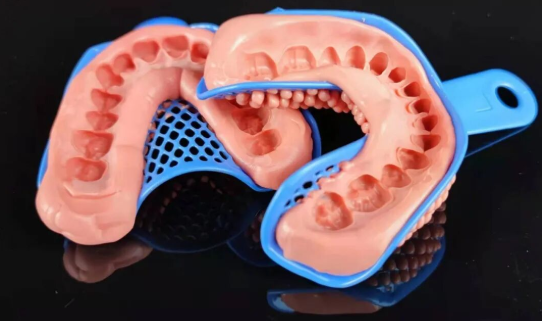
Material History
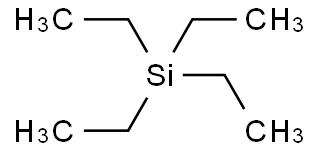
In 1863, French scientists Friedel and Crafts successfully synthesized the first organosilicon compound, tetraethylsilane, by heating silicon tetrachloride and diethylzinc to 160°C in a sealed tube.
Then, in 1930, Wallace Carothers of DuPont first produced chloroprene rubber. A year later, DuPont publicly invented chloroprene rubber and officially launched it on the market in 1937, making chloroprene rubber the first synthetic rubber to be industrially produced.

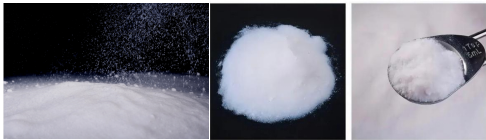
Silicone rubber products were introduced in 1945, but the strength of unreinforced silicone rubber generally did not exceed 0.4 MPa, making it virtually unusable. It wasn’t until 1948, through the use of high-surface-area fumed silica, that silicone rubber’s performance leapt to practical use, laying the foundation for modern silicone rubber production technology.
China began industrial research on silicone rubber in 1957, and numerous research institutes and companies subsequently developed various types of silicone rubber.
Condensation-type silicone rubber impression materials for dental applications first appeared in the mid-1950s, and addition-type silicone rubber impression materials began to be used in dentistry in 1975.
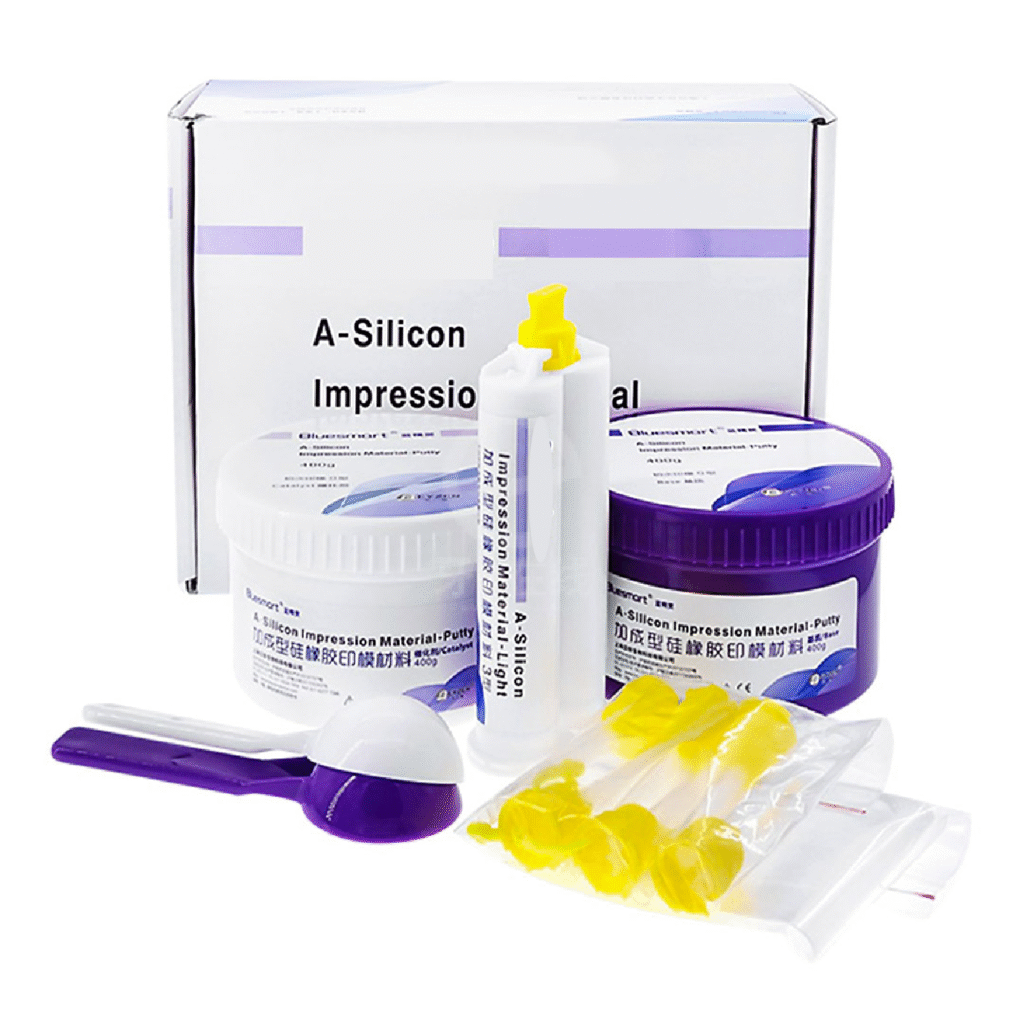
At present, the latest type of impression material is vinyl polyether silicone rubber impression material, which is a mixture of VPS and polyether (PE). The combination of the two materials not only improves the wettability of the material, but also makes the smell more suitable.
Classification and composition
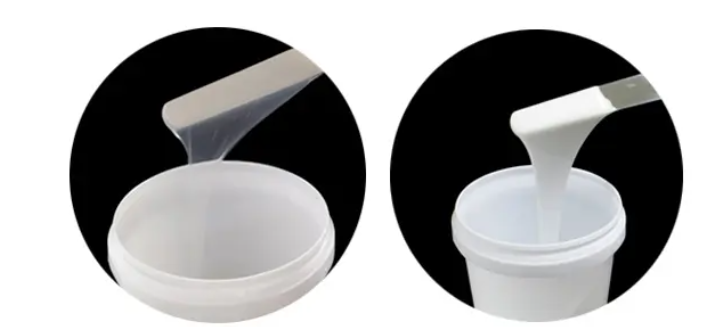
Silicone rubber is divided into condensation type and addition type, which is composed of base paste and catalytic paste.
Dental Applications
Silicone rubber has a wide range of applications in dentistry.
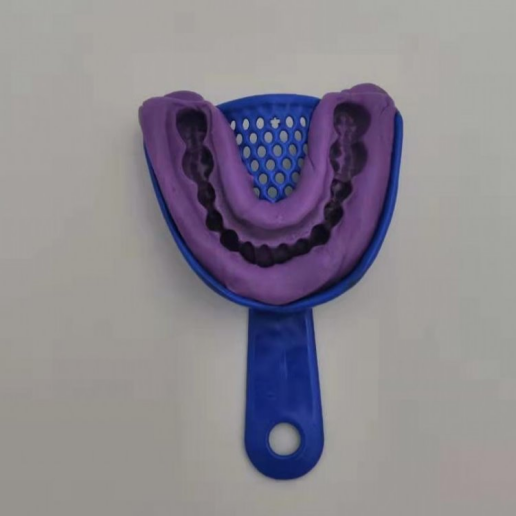
In dental impression making, silicone rubber offers high strength, excellent elasticity, good plasticity, stable dimensions, and high precision, providing crucial support for creating precise impressions.
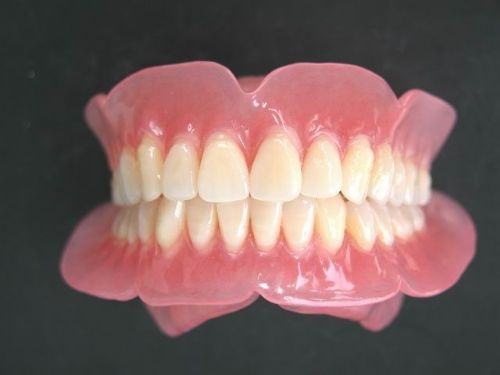
In denture restoration, silicone rubber as a soft lining material can buffer occlusal force, improve occlusal pain and improve the fit between the denture base and the alveolar ridge.
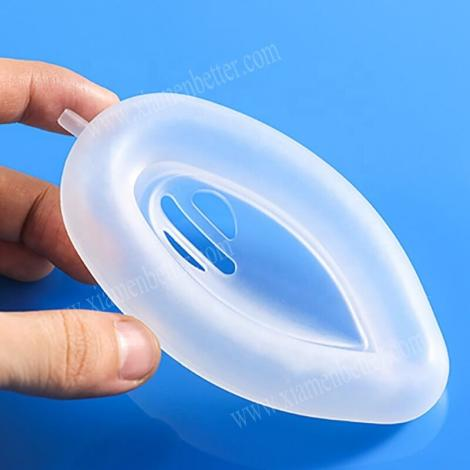
In maxillofacial prostheses, silicone rubber offers stable physical and chemical properties, good biocompatibility, and ease of handling, ensuring dimensional stability of prostheses.
However, its tear strength is relatively low, and color stability needs improvement. Furthermore, silicone rubber is widely used in other areas of dental care, such as temporomandibular joint implants, bite registration, and artificial gingiva.
Clinical Applications
Silicone rubber also has multiple clinical applications.
It can be used to create airway stents. Silicone rubber offers strong support, good biocompatibility, and long-lasting properties, helping patients maintain airway patency.
Silicone rubber can also be used to make noise-blocking earplugs, effectively blocking noise and protecting the eardrum.
In medical devices, silicone rubber is used to make vacuum extractors, which are simple and safe to use, preventing birth injuries and alleviating pain during labor.
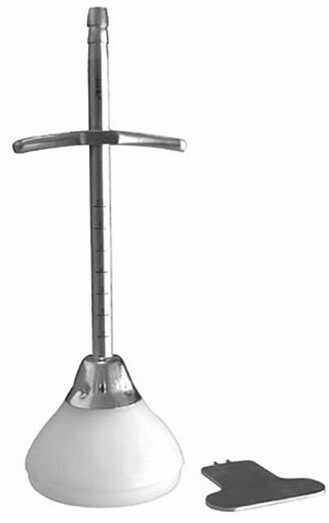
Silicone rubber is also used in the production of artificial blood vessels, and its excellent stability when combined with human tissue. Silicone rubber eardrum patches are ideal for repairing eardrums, offering excellent smoothness and toughness, easy operation, and significant results.
Material upgrade and development
Currently, silicone rubber still faces several challenges, such as poor surface wettability, poor antibacterial properties, and low mechanical properties.
Poor surface wettability can be addressed through surface and bulk modifications, such as plasma surface treatment, surface grafting, surface coating improvements, and the addition of hydrophilic substances.
Secondly, poor antibacterial properties can be addressed through surface treatment with antimicrobial agents, antibiotics, or quaternary ammonium salts, or by adding microbial agents during the silicone rubber preparation process.
Finally, addressing low mechanical properties and short service life can be achieved through the combined use of nanoparticle modification and silicone rubber modification technologies. Nanoparticles can be dispersed in polymers, or multiple silicone polymers can be mechanically blended to enhance the mechanical properties and extend the service life of silicone rubber. These improvement methods can effectively improve the performance and application value of silicone rubber.