Address
Room 2301C, 23rd Floor, Building 1, jinghu Commercial center, No, 34, Liangzhuang Street, Eri District, Zhengzhou City, Henan province
Work Hours
Monday to Friday: 7AM - 7PM
Weekend: 10AM - 5PM
Address
Room 2301C, 23rd Floor, Building 1, jinghu Commercial center, No, 34, Liangzhuang Street, Eri District, Zhengzhou City, Henan province
Work Hours
Monday to Friday: 7AM - 7PM
Weekend: 10AM - 5PM

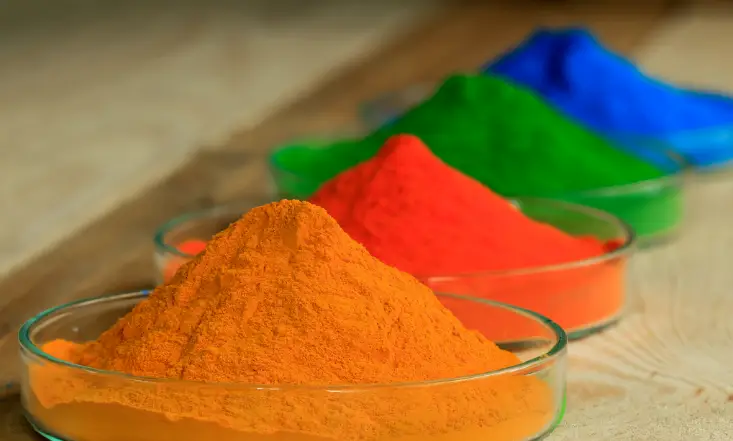
1. Terms and Definitions
Matting agents are substances that reduce the surface gloss of a coating. In practical applications, excessive gloss is often undesirable, so matting agents are essential for the production of such coatings. In addition to the chemical and physical properties of the matting agent itself, the dosage, particle size, particle size distribution, and the pore volume of the silica matting agent are all important factors in determining the choice of matting agent. The greater the dosage, the greater the gloss reduction. The larger the particle size, the more effective the matting effect. Of course, the particle size must be compatible with the coating thickness.

2.Characteristics of matting agent
The characteristics of coating matting agents mainly focus on matting performance, dispersibility, chemical stability and impact on coating films, as follows:
1) .Core Performance Standards
Matting efficiency and efficiency: Matting agents require minimal addition to achieve strong matting. The matting efficiency is positively correlated with the number of effective particles per unit area; lighter particles and greater numbers provide better results. UV-curing coatings often use silica or polymer waxes, with particle sizes of 3-5 μm achieving optimal matting results.
Dispersibility and stability: Good dispersibility is required, allowing the paint to remain suspended for extended periods without settling, to prevent delamination or hardening. For water-based paints, a powdered matting agent with good fluidity is recommended to prevent water absorption and air bubbles.
2).Chemical and physical requirements
Chemical inertness: It does not react with coating components (such as acids, bases, and solvents) and is soluble only in strong bases or hydrofluoric acid, ensuring film stability.
Effect on the coating: It minimally interferes with light transmittance and does not affect the original paint color. Its impact on the coating’s mechanical properties (such as hardness and flexibility) is manageable.
3).Testing and Standardization
Particle Size and Pore Volume: Particle size distribution must be measured using a laser particle size analyzer to ensure a range of 3-5 μm. Pore volume must meet product specifications (e.g., silica content on a dry basis 98% ± 1%).
Stability Testing: Long-term storage stability must be verified through humidity and heat cycling and evaporation residue testing.
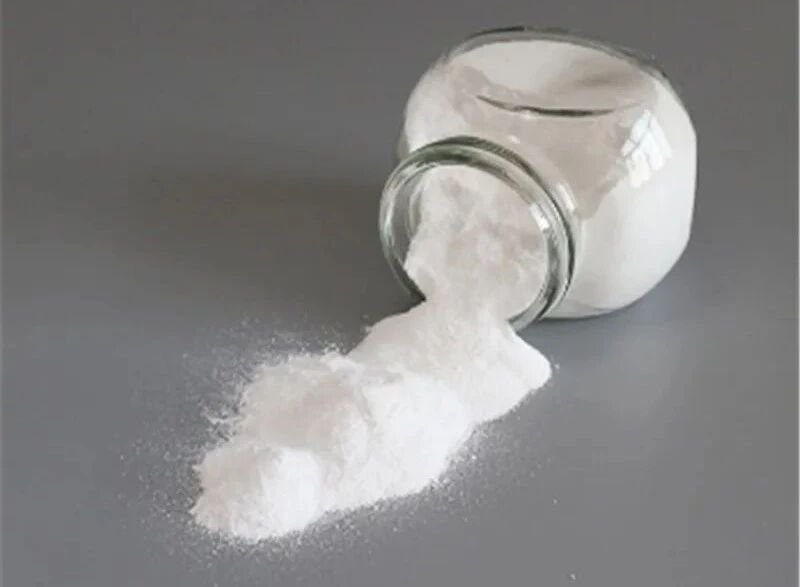
3.Main types and varieties of matting agents
1).Silica
There are many methods for obtaining matting agents from silica, which can be primarily categorized by their manufacturing process: the gelation method and the precipitation method. Both types of treated products can be converted into standard silica matting agents. The treatment process involves modifying the silica surface to some degree using organic (paraffin) or inorganic materials. Treated silicas have varying particle sizes, particle size distributions, and pore volumes.
Silica has a relatively strong matting effect, but high usage levels may result in increased viscosity. It has a tendency to settle during storage, especially in untreated silica.
Synthetic aluminum silicates can partially replace silica as high-quality extenders for use in emulsion primers. These products exhibit balanced matting in dried emulsion paint films. They can be used as matting agents in long-oil alkyd resin systems but must be dispersed with pigments and fillers. Silica matting agents can be used in all coatings except powder coatings.
2).Paraffin
A variety of paraffin waxes are available on the market. Waxes based on polyethylene, polypropylene, and carnauba wax are the most commonly used in coatings and inks. Waxes based on polytetrafluoroethylene (PTFE) can also be used as matting agents.
Compared to silica, paraffin waxes modify the paint film by floating on the outermost surface. This can affect properties such as mattness/gloss; anti-slip and anti-fouling properties; anti-blocking and anti-abrasion properties; anti-settling properties; and surface tension resistance.
Most of these products are micronized, allowing them to be used over a wide concentration range in wax emulsion-based coatings. Their dispersibility varies depending on the particle size and particle size distribution.
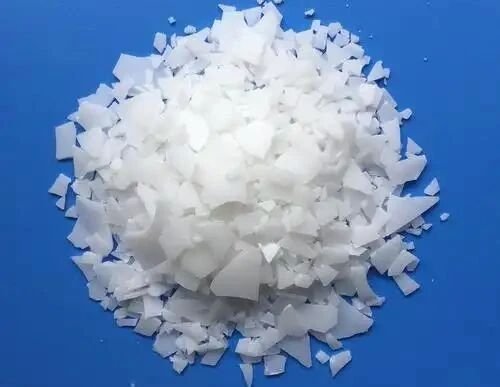
3).Filler
By using specific fillers, we can significantly increase the pigment volume concentration of a coating and influence various aspects of its properties. This is why the concept of matte is limited to pigmented, economical, low-end coating systems.
Fillers have a narrow particle size distribution and must therefore be dispersed along with the pigment. To achieve the desired gloss, silica is typically added and stirred in at the end of the coating manufacturing process.
4).Organic materials
Modern grinding technology allows us to grind and process plastics based on polymethylurea resin. This product has minimal effect on viscosity, is thermally stable up to 200°C, has good solvent resistance, and is easy to disperse.
4.Application of matting agent in coatings
1).Solvent-based coatings
In clear varnishes, matting agents must not produce hard deposits during storage or affect the clarity of the final paint film. Therefore, as mentioned above, organically treated matting agents are the best choice. Organically treated matting agents also offer other benefits, such as a smoother surface and enhanced mar resistance.
In pigmented paint systems, due to the presence of pigments, which have a much higher specific gravity than the matting agent, matting agent settling is less of a concern. For cost savings, untreated matting agents can be used, but organically treated matting agents are sometimes used to improve the feel and mar resistance of the paint film.
In solvent-based systems, the particle size of the matting agent depends on the dry film thickness of the coating system and the desired surface properties. Finer matting agents produce a smoother surface and a better feel, but their matting efficiency is not as good as coarser matting agents. For closed-cell wood finishes, a finer matting agent is preferred, as a higher level of feel is required.
The amount of matting agent added depends on the resin system, solids content, dry film thickness, matting agent type, drying method, and required gloss. It is necessary to select the optimal matting agent and calculate the required dosage, and then draw an extinction curve for the coating system under approximate actual use conditions.
2).Water-based coating system
With environmental concerns becoming increasingly prominent, traditional solvent-based coatings are being gradually replaced by more environmentally friendly coatings. The development of water-based coatings, particularly for wood, is also driving a growing demand for silica matting agents. While traditional matting agents can achieve matting effects on water-based coatings, they have numerous drawbacks. Water-based coating systems have relatively low viscosities, so matting agents must minimize their impact on the system. Specifically, the silica must have minimal oil absorption and be easily dispersible within the water-based system.
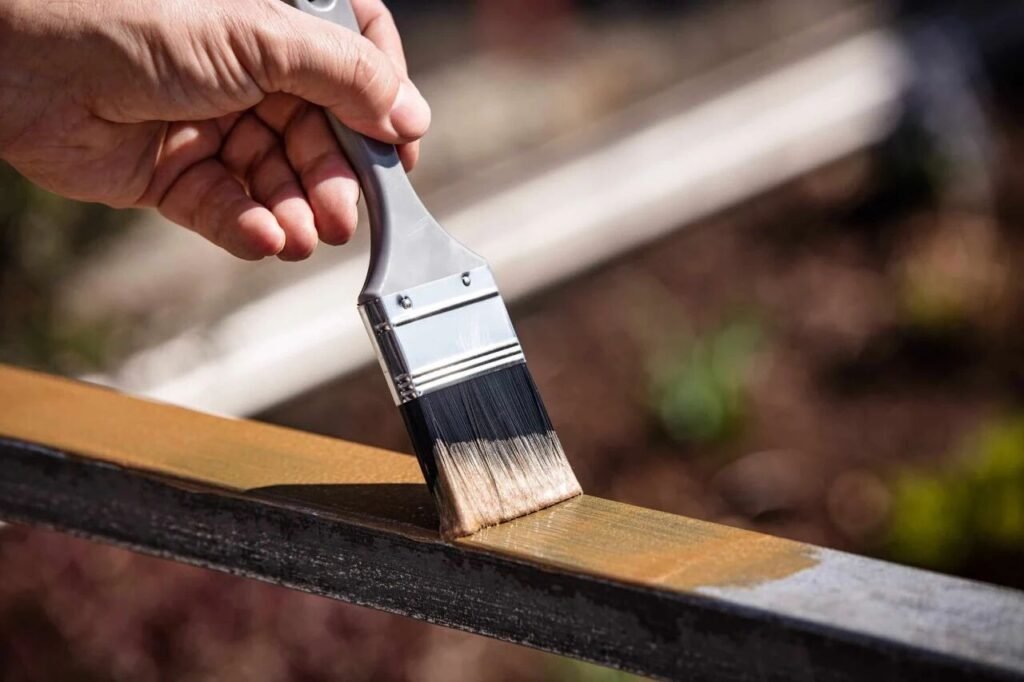
3).UV curing coating system
Compared to waterborne coatings, UV-curable coatings are difficult to matte. Matting performance depends on the nature of the formulation, the reactivity of the resin, and the curing conditions. Generally, low reactivity and slow curing conditions favor matting, while high-reactivity curing systems are difficult to matte. Most UV-curable coating systems require matting agents that do not affect system viscosity, so the silica oil absorption should be as low as possible. The manufacturing process for these matting agents differs from that of traditional silica matting agents. Furthermore, matting agents with low oil absorption often have higher bulk densities and are prone to sedimentation, requiring special handling before use.
Unsaturated polyester UV-curable coatings are relatively easy to matte, following the same mechanism as traditional matting agents. In contrast to traditional coating systems, acrylic UV-curable coatings often achieve better matting results with organic treatments and small particle sizes. Coating formulations containing components that may accelerate surface cure are more difficult to matte.
4.High solid coating system
High-solids coatings have a high solids content, requiring an increased amount of matting agent in the formulation. Conventional matting agents often significantly increase viscosity. Therefore, a matting agent with high porosity and the coarsest acceptable particle size should be selected. Typically, high-porosity matting agents with an average particle size as coarse as 11 µm are used. Furthermore, to achieve optimal matting results, a matting agent with a particle size comparable to the coating’s dry film thickness is often used.
5).Powder coating system
Because powder coatings shrink very little during curing, matting with traditional granular silica is difficult. Even with coarse matting agents, only a semi-gloss finish can be achieved. To achieve a lower gloss, gel-based silica and a special mixed resin can be added.
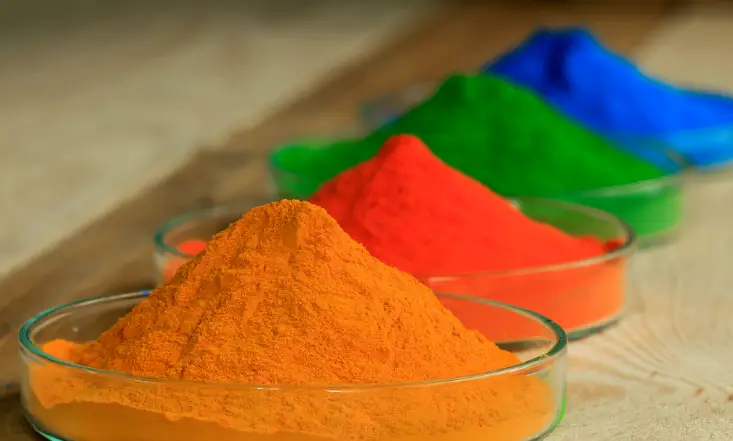
The key to selecting a matting agent is to create a micro-roughness on the paint film surface without affecting the coating’s appearance or mechanical properties. Gel-based silica matting agents are simple, efficient, and cost-effective. They have become a key additive in coatings, imparting their characteristic gloss. Correctly selecting a matting agent is crucial to producing matte coatings.