Address
Room 2301C, 23rd Floor, Building 1, jinghu Commercial center, No, 34, Liangzhuang Street, Eri District, Zhengzhou City, Henan province
Work Hours
Monday to Friday: 7AM - 7PM
Weekend: 10AM - 5PM
Address
Room 2301C, 23rd Floor, Building 1, jinghu Commercial center, No, 34, Liangzhuang Street, Eri District, Zhengzhou City, Henan province
Work Hours
Monday to Friday: 7AM - 7PM
Weekend: 10AM - 5PM

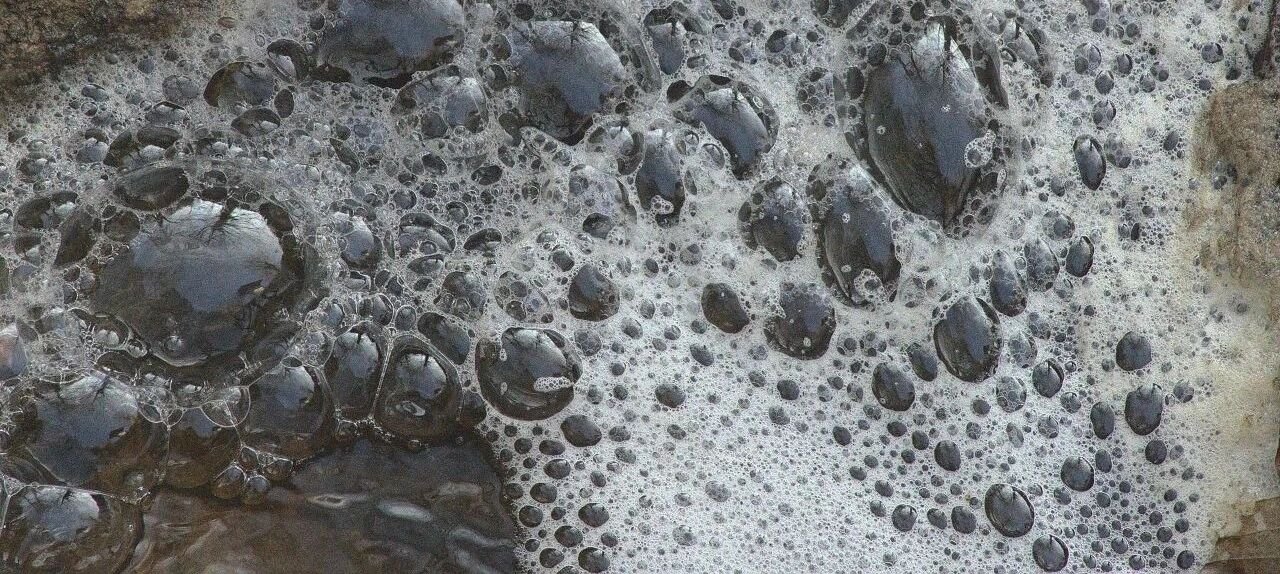
“An important indicator for measuring the quality of a defoamer is its dispersion effect. Only substances with low solubility and high dispersibility can become the active ingredients of a defoamer.”
“Small amount, high performance” defoamer
Defoamers are important industrial additives, used in small but essential quantities. They are widely used in food, textiles, daily chemicals, inks, coatings, papermaking, agrochemicals, pharmaceuticals, and industrial cleaning.
Silicone defoamers are among the most widely used and effective defoamers. Their main ingredients are silicone oil/silicone paste and modified silicone oil. Silicone paste is primarily derived from the reaction of silicone oil (or mineral oil, vegetable oil, etc.) with fume silica . As an essential component of defoamers, fume silica plays a crucial role.
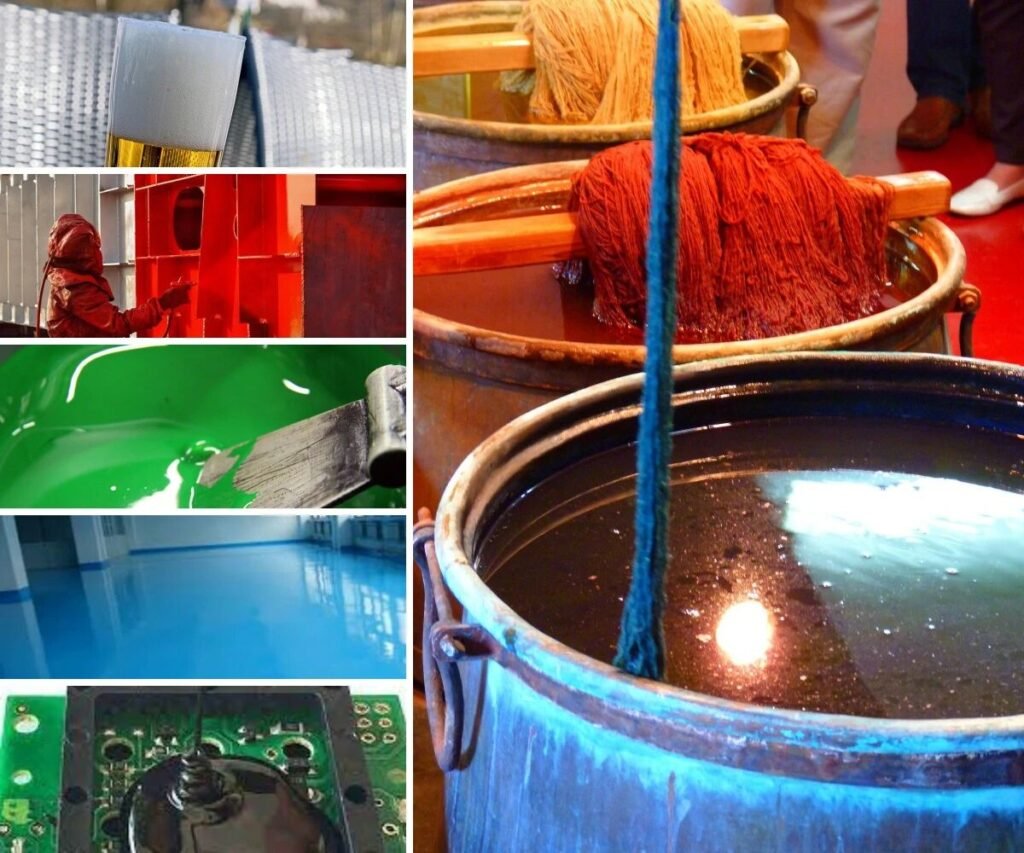
The role of fumed silica in defoaming agents
Fumed silica primarily serves as a dispersant, adsorbent, and thickener in defoamers, preventing settling.
Hydrophilic fume silica contains silanol bonds, which form hydrogen bonds with water molecules, promoting the dispersion and stability of the defoamer. Surface-modified hydrophobic fumed silica exhibits excellent wetting and dispersibility in silicone oil systems.
Fumed silica contains silanol bonds, which can form hydrogen bonds with water molecules. Its application in aqueous systems can promote the dispersion and stability of defoamers. Due to the presence of particles, silicone oil can spread rapidly in the foaming liquid, accelerating the dispersion of silicone oil and improving defoaming efficiency.
fume silica plays a prominent role in defoamers, acting like a “needle tip.” Its small particle size, large specific surface area, and high surface energy attract and impact bubbles, creating weak spots. The low surface tension of silicone oil causes the bubbles to burst. As the active ingredients of high-efficiency defoamers, fume silica and silicone oil deliver a highly effective, synergistic defoaming effect.
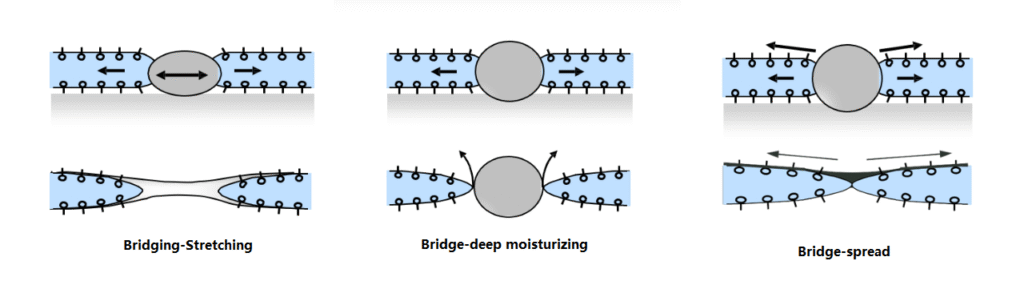
Fumed silica has a small particle size, large specific surface area, and a stable three-dimensional hydrogen bond network structure, which enables the silica fume particles to be evenly and stably distributed throughout the system, making the system stable for storage.
The selection of fumed silica has a great influence on defoaming power
The silicone paste made of silica fume and PDMS is transparent or translucent. The recommended ratio is:
| Product Name | Proportion wt% |
| Dimethyl silicone oil (500-1000CP) | 90-95 |
| Fumed silica (150-300m2/g) | 5-10 |
As the active ingredient of silicone defoamer, silicone paste can be used directly or diluted with solvent, or self-emulsified with emulsifier or polyether modified silicone oil to achieve the purpose of defoaming.
Fume silica can be used in weak acid, weak base, salt, high temperature, and shear systems.
However, in high-temperature, strong alkaline (pH > 13) foaming solutions:
Hydrophilic fume silica will gradually dissolve in the system and become a water-soluble silicate, reducing its defoaming effectiveness.
Hydrophobic fume silica, due to its fewer silanol groups, has a reduced degree of association in aqueous systems, making it less soluble in water than hydrophilic fume silica, resulting in better defoaming effectiveness.
In defoamer applications, we recommend three hydrophilic fumed silicas: BHL-150, BHL-200, and BHL-300, and four hydrophobic fumed silicas: CHB-139, CHB-152, CHB-612, and CHB-630, which can be used in combination.
| Type | Model | Specific surface area (m2/g) | Features |
| Hydrophilic | BHL-150 | 150±15 | Easy to disperse |
| Hydrophilic | BHL-200 | 200±20 | Thickening and anti-settling, cost-effective |
| Hydrophilic | BHL-300 | 300±25 | Thickening and anti-settling |
| Hydrophobic | CHB-139 | 110±30 Polydimethylsiloxane | High degree of hydrophobicity, both hydrophobic and dispersible |
| Hydrophobic | CHB-152 | 110±30 Dimethylchlorosilane | both hydrophobic and dispersible |
| Hydrophobic | CHB-612 | 140±20 Hexamethylsilazane | Easy to disperse, cost-effective |
| Hydrophobic | CHB-630 | 300±30 Hexamethylsilazane | Good comprehensive performance, including hydrophobicity, dispersibility and thickening |