Address
Room 2301C, 23rd Floor, Building 1, jinghu Commercial center, No, 34, Liangzhuang Street, Eri District, Zhengzhou City, Henan province
Work Hours
Monday to Friday: 7AM - 7PM
Weekend: 10AM - 5PM
Address
Room 2301C, 23rd Floor, Building 1, jinghu Commercial center, No, 34, Liangzhuang Street, Eri District, Zhengzhou City, Henan province
Work Hours
Monday to Friday: 7AM - 7PM
Weekend: 10AM - 5PM

1.Definition and Significance
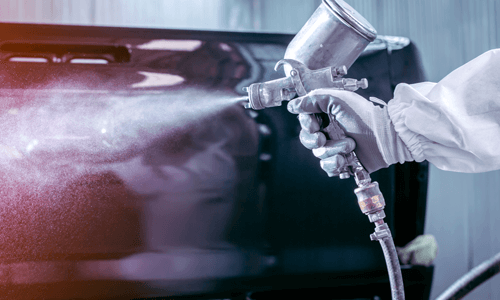
Coating additives are ingredients added to coatings, in addition to the primary film-forming substances, pigments, fillers, and solvents, to significantly improve specific properties of the coating or film. Used in small quantities in coating formulations, they primarily consist of various inorganic and organic compounds, including polymers.
Coating additives are essential components of coatings, enhancing production processes, maintaining storage stability, improving application conditions, improving product quality, and imparting special functions. The proper selection of additives can reduce costs and improve economic benefits.
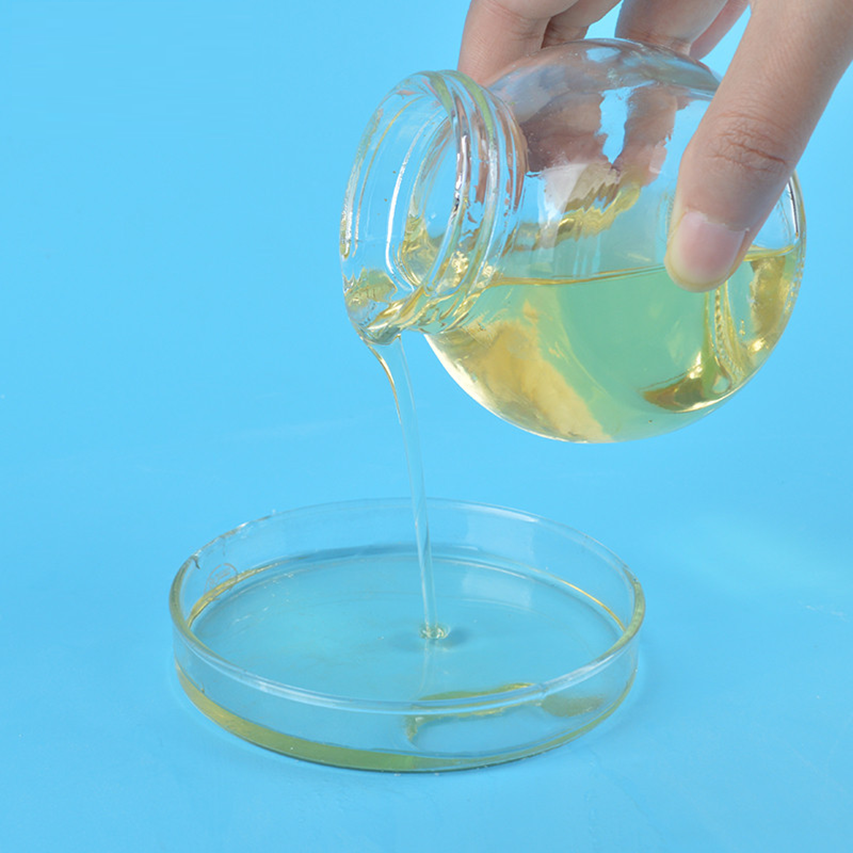
2.Types and classifications of coating additives
1). Classification according to the production and use stages of coatings
Manufacturing stage, agents include: initiators, dispersants, and transesterification catalysts;
Reaction process, agents include: defoamers, emulsifiers, and filter aids;
Storage stage, agents include: anti-skinning agents, anti-settling agents, thickeners, thixotropic agents, anti-flooding and floating agents, and anti-gelling agents;
Application stage, agents include: leveling agents, anti-cratering agents, anti-sagging agents, hammer mark agents, flow control agents, and plasticizers;
Film-forming stage, agents include: coalescing agents, adhesion promoters (also called adhesion enhancers), photoinitiators, light stabilizers, drying agents, gloss enhancers, slip enhancers, matting agents, curing agents, cross-linking agents, and catalytic agents.
Special functional applications, agents include: flame retardants, biocides, anti-algae agents, antistatic agents, electrical conductors, corrosion inhibitors, and rust inhibitors.
Generally speaking, according to their uses, they include adhesion promoters, anti-blocking agents, anti-cratering agents, anti-floating agents, anti-color floating agents, defoaming agents, anti-foaming agents, anti-gelling agents, viscosity stabilizers, antioxidants, anti-skinning agents, anti-sagging agents, anti-precipitation agents, antistatic agents, conductivity control agents, mildew inhibitors, preservatives, coalescence aids, corrosion inhibitors, rust inhibitors, dispersants, wetting agents, drying agents, flame retardants, flow control agents, hammer grain aids, draining agents, matting agents, light stabilizers, photosensitizers, optical brighteners, plasticizers, slip agents, anti-scratch agents, thickeners, thixotropic agents, etc.
2). Classify according to their functions in processing, storage, construction, and film formation
Coating production process performance: wetting agents, dispersants, emulsifiers, defoamers, etc.
Improving coating storage and transportation performance: anti-settling agents, anti-skinning agents, preservatives, freeze-thaw stabilizers, etc.
Improving coating application performance: thixotropic agents, anti-sagging agents, resistance modifiers, etc.
Coating curing and film-forming properties: driers, curing accelerators, photosensitizers, photoinitiators, coalescing agents, etc.
Preventing film degradation: anti-sagging agents, leveling agents, anti-flooding and floating agents, adhesion agents, thickeners, etc.
Improving coatings with special properties: UV absorbers, light stabilizers, flame retardants, antistatic agents, mildew inhibitors, etc.

3.Introduction to Commonly Used Coating Additives
1). Wetting and dispersing agents
Pigments are aggregates of primary particles. Grinding and dispersion disaggregate these aggregates into primary particles and disperse them into the paint. Poor dispersion results in incomplete disaggregation or reflocculation, causing problems such as floating, floating, sinking, and reduced gloss.
Wetting agents make solid materials more wettable by water. By reducing their surface tension or interfacial tension, they allow water to spread over or penetrate the surface of the solid material, thereby wetting it. Polymeric dispersants form an adsorption layer on the surface of solid particles, increasing the interparticle reaction forces that create steric hindrance and forming a bilayer structure on the surface of the solid particles. The polar ends of the outer dispersant layer have a strong affinity for water, increasing the wettability of the solid particles. Electrostatic repulsion keeps the solid particles away from each other, stabilizing the pigment system.
2). Defoaming agent
Foam suppressants are further divided into defoamers and antifoaming agents. Defoamers primarily control and eliminate foam generation, and are primarily used during the coating production and application process. Defoaming agents primarily expand bubbles from small to large, gradually thinning the bubble film and causing them to spontaneously break. These additives play a defoaming role throughout the entire coating process.
3). Accelerator agent
Metal soap driers: Metallic organic acid soaps have oxygen-absorbing properties, promoting the oxidative polymerization of oils.
Curing accelerators: Organometallic driers, organic amines, or organic acids promote crosslinking and curing of the system.
Photoinitiators: Accelerate the photocuring reaction of UV coatings.
4). Drier agent
A substance that accelerates the drying of coatings by promoting oxygen absorption and double bond polymerization in the drying oil film. This can shorten the drying time of the oil film from several days to a few hours, facilitating application and preventing contamination and damage to the wet coating. Soap driers are highly effective due to their oil solubility. The modern coatings industry often uses cyclopentane acid soaps as driers. Cyclopentane acid soaps are typically produced by the double decomposition process.
5).Toughening agent
That is plasticizers. Commonly used varieties in the coatings industry include diethyl phthalate, dibutyl phthalate, dioctyl phthalate, tributyl phosphate, triphenyl phosphate, tricresyl phosphate and some special varieties.
6).Thickener agent
A substance that increases the viscosity of a coating and reduces its fluidity. The main purpose of using a thickener is to improve storage stability and reduce runniness during application.
Thickeners used in coatings primarily fall into the following categories: cellulose ethers and their derivatives, alkali-swellable thickeners, polyurethane thickeners, hydrophobically modified non-polyurethane thickeners, and inorganic thickeners.
7).Anti-skinning agent
Substances that prevent skinning on the surface of water-based paints during use or storage. Anti-skinning agents include phenols and oximes, such as o-methoxyphenol, methyl ethyl ketone oxime, and cyclohexanone oxime.
Some solvents (such as dipentene) have some anti-skinning properties and can be used in conjunction with phenolic or oxime anti-skinning agents.