Address
Room 2301C, 23rd Floor, Building 1, jinghu Commercial center, No, 34, Liangzhuang Street, Eri District, Zhengzhou City, Henan province
Work Hours
Monday to Friday: 7AM - 7PM
Weekend: 10AM - 5PM
Address
Room 2301C, 23rd Floor, Building 1, jinghu Commercial center, No, 34, Liangzhuang Street, Eri District, Zhengzhou City, Henan province
Work Hours
Monday to Friday: 7AM - 7PM
Weekend: 10AM - 5PM

1.Origin and Evolution of MSDS (SDS)
SDS (Safety Data Sheet) is a comprehensive document that contains information on product components, physical and chemical properties, hazard identification, safe use measures, storage information, transportation measures, etc. It is one of the main ways to transmit information in the supply chain.
The differences between MSDS and SDS are mainly reflected in the name, formulation standards, content specifications and scope of application, as follows:
1). Name and regional usage habits
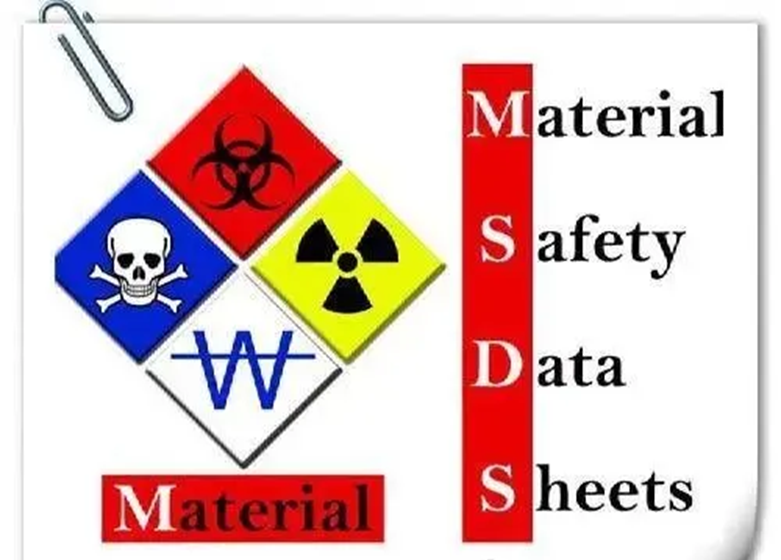
MSDS: The full name is “Material Safety Data Sheet”, which was developed by the U.S. Occupational Safety and Health Administration (OSHA) and is mainly used in the United States, Canada, Australia and some Asian countries.
SDS: The full name is “Safety Data Sheet”, which is an updated version of MSDS. It was developed by the United Nations Globally Harmonized System of Classification and Labelling of Chemicals (GHS) and has been fully adopted by GHS-compliant countries such as the European Union and China.
2). Establish standards and content specifications
MSDS: An early version lacks global standards, and its content varies by country/region (e.g., US OSHA has eight items, Canadian WHMIS has nine). It focuses on traditional hazard identification and verbal descriptions.
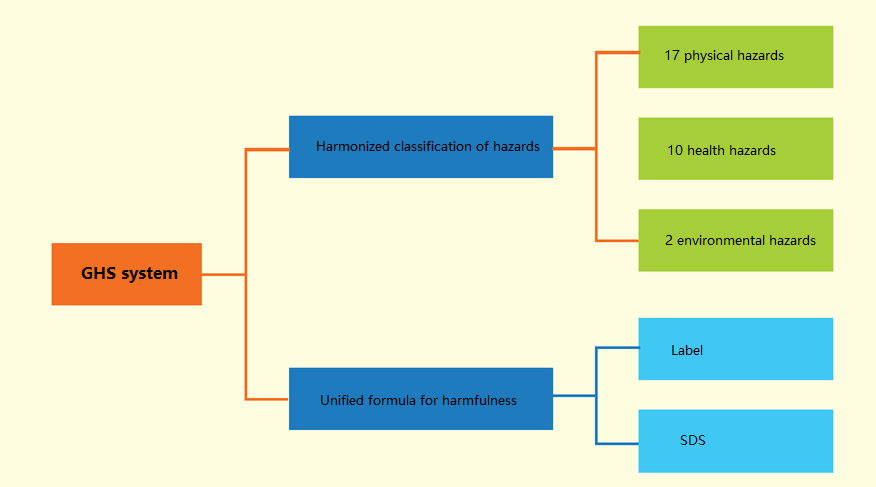
SDS: Adopts the GHS standard, containing 16 fixed sections (such as hazard identification, first aid measures, and transportation requirements), and mandates the use of standardized symbols, signal words, and phrases, providing more systematic and complete information.
3). Scope of application
MSDS: Applies to legacy management systems prior to the implementation of GHS. Some countries that haven’t fully adopted GHS still use this term.
SDS: A globally standardized standard adopted after the implementation of GHS. It’s particularly suitable for exporting to international markets like the EU and meeting regulatory requirements like REACH.
4). Terminology evolution
Since 2009, China has renamed MSDS to SDS (GB/T 16483-2008 “Material Safety Data Sheet – Content and Item Sequence”), but the old name “MSDS report” may still be retained in actual use.
2.The important role of coating MSDS (SDS)
Whether in domestic trade or import and export trade, coating chemical manufacturers or sellers will provide customers with a detailed product safety data sheet, also known as MSDS (SDS). As the most basic technical document for conveying coating product safety information, its main functions are:
3.Contents of Paint MSDS (SDS)
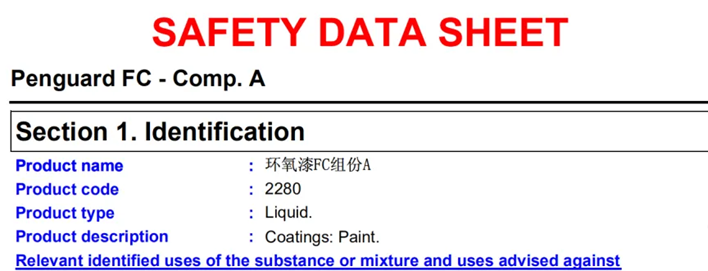
The content of an MSDS (SDS) varies depending on the legal requirements of different countries. The EU, ISO, US OSHA, ANSI, and China require that an MSDS (SDS) contain 16 basic items (ISO 11014 or GB/T 16483):

4.Validity period of coating MSDS (SDS) report
If the paint product is still in normal use, the validity period is generally one year. If you encounter the following situations, you need to update it immediately:
MSDS (SDS) helps paint manufacturers and users understand the hazards and risks of paint and take necessary safety measures to protect the health and safety of themselves and others.
As safety regulations for chemical companies and hazardous chemicals become increasingly stringent, coatings and related companies need to attach great importance to the authenticity and accuracy of MSDS (SDS) identification information.