Address
Room 2301C, 23rd Floor, Building 1, jinghu Commercial center, No, 34, Liangzhuang Street, Eri District, Zhengzhou City, Henan province
Work Hours
Monday to Friday: 7AM - 7PM
Weekend: 10AM - 5PM
Address
Room 2301C, 23rd Floor, Building 1, jinghu Commercial center, No, 34, Liangzhuang Street, Eri District, Zhengzhou City, Henan province
Work Hours
Monday to Friday: 7AM - 7PM
Weekend: 10AM - 5PM

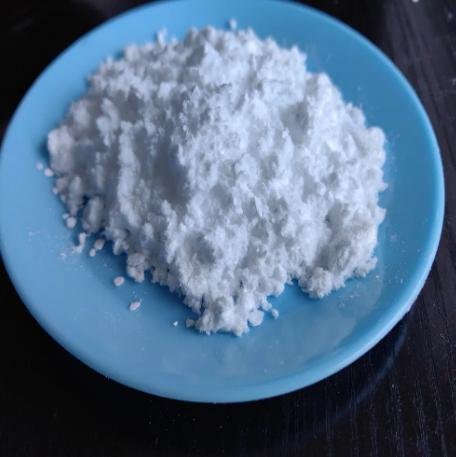
N-butyl thiophosphoric triamide (NBPT) is one of the most effective soil urease inhibitors currently available. It exhibits excellent urease inhibitory activity, effectively suppressing urease activity and significantly slowing down the decomposition of urea in the soil.

It inhibits urease activity, slows the conversion rate of urea into NH4+, and retains nitrogen in the form of urea over an extended period. This reduces the concentration of NH4+ in the soil solution, thereby minimizing potential volatilization losses and injury to seedlings.
A synergistic stabilizer for nitrogen fertilizers, it enhances fertilizer efficiency, allows for reduced application rates, and prevents the loss of ammoniacal nitrogen.
It mitigates injury to seedlings. The optimal addition concentration is 0.2% of the total nitrogen content in the urea.
Technical Specifications:
| ITEMS | STANDARD |
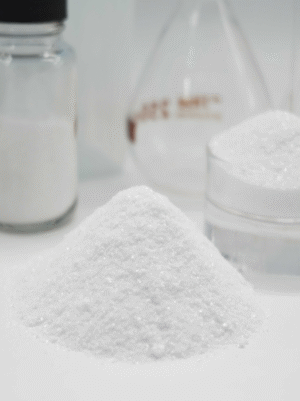
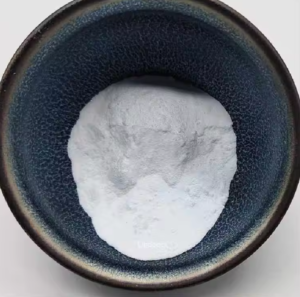
| Appearance | White to off- white crystalline solids |
| Identification | IR |
| Melting Range | 56-60℃ |
| Loss on Drying | ≤0.5% |
| Assay(HPLC) | ≥98.0% |
Package:
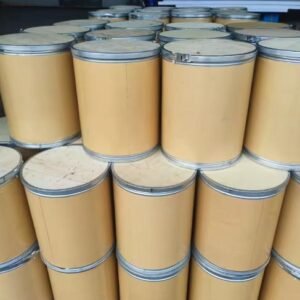
1kg / 25kg bucket
Palletized Shipping
Lead Time: 1-7 Days
Shipping Methods: Sea/Air/Express delivery