Address
Room 2301C, 23rd Floor, Building 1, jinghu Commercial center, No, 34, Liangzhuang Street, Eri District, Zhengzhou City, Henan province
Work Hours
Monday to Friday: 7AM - 7PM
Weekend: 10AM - 5PM
Address
Room 2301C, 23rd Floor, Building 1, jinghu Commercial center, No, 34, Liangzhuang Street, Eri District, Zhengzhou City, Henan province
Work Hours
Monday to Friday: 7AM - 7PM
Weekend: 10AM - 5PM

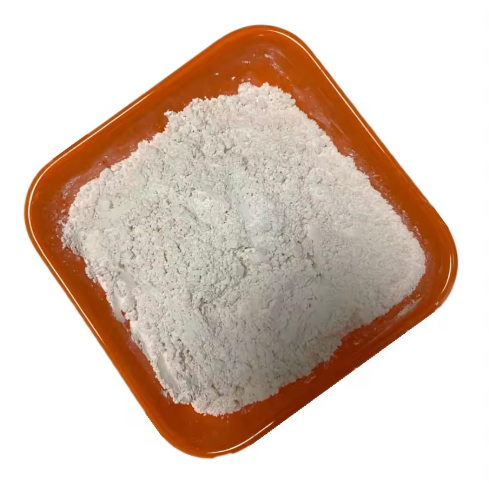
Palmitoyl tripeptide-1 is a signaling peptide composed of three amino acids (glycine, lysine, and proline) linked to palmitic acid, also known as “palmitoyl oligopeptide.” Palmitic acid is a long-chain fatty acid that gives the peptide lipophilicity, allowing it to penetrate the skin barrier more easily. The unique structure of palmitoyl tripeptide-1 enables it to effectively act on the dermis of the skin, promoting the synthesis of extracellular matrix components such as collagen and glycosaminoglycans, thereby improving skin firmness and elasticity.
Palmitoyl tripeptide-1 first binds to specific receptors on the surface of skin cells. These receptors act like “switches” for the cells; once bound to palmitoyl tripeptide-1, they activate a series of intracellular signaling pathways.
Activation of the TGF-β pathway causes fibroblasts to produce more collagen. Collagen is a vital component of the skin, providing structural support and elasticity, making the skin firmer and more supple. Activation of the MAPK pathway promotes the production of matrix metalloproteinases (MMPs). MMPs are a class of enzymes that break down old collagen while simultaneously stimulating fibroblasts to produce new collagen and glycosaminoglycans, resulting in more hydrated and healthy skin.
Palmitoyl tripeptide-1 also has effects similar to retinol (vitamin A). Retinol is widely considered an effective anti-aging ingredient, promoting cell renewal and skin regeneration. Palmitoyl tripeptide-1, through similar mechanisms, rebuilds the dermal matrix, improving skin firmness and reducing wrinkles.
Technical Specifications:
|
Product Name
|
Palmitoyl Tripeptide-1
|
|
Appearance
|
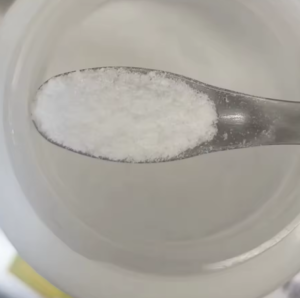
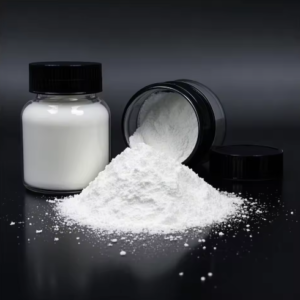
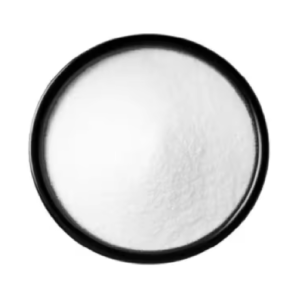
white fine powder
|
|
Grade
|
Cosmetic Grade
|
|
Specification
|
98%
|
|
Keywords
|
98% Palmitoyl Tripeptide-1;Palmitoyl Tripeptide-1 powder;Palmitoyl Tripeptide-1
|
|
Storage
|
Keep in a cool, dry, dark location in a tightly sealed container or cylinder.
|
|
Shelf Life
|
24 Months
|
Package:
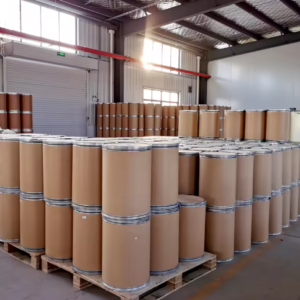
1kg / 25kg bucket
Palletized Shipping
Lead Time: 1-7 Days
Shipping Methods: Sea/Air/Express delivery