Address
Room 2301C, 23rd Floor, Building 1, jinghu Commercial center, No, 34, Liangzhuang Street, Eri District, Zhengzhou City, Henan province
Work Hours
Monday to Friday: 7AM - 7PM
Weekend: 10AM - 5PM
Address
Room 2301C, 23rd Floor, Building 1, jinghu Commercial center, No, 34, Liangzhuang Street, Eri District, Zhengzhou City, Henan province
Work Hours
Monday to Friday: 7AM - 7PM
Weekend: 10AM - 5PM

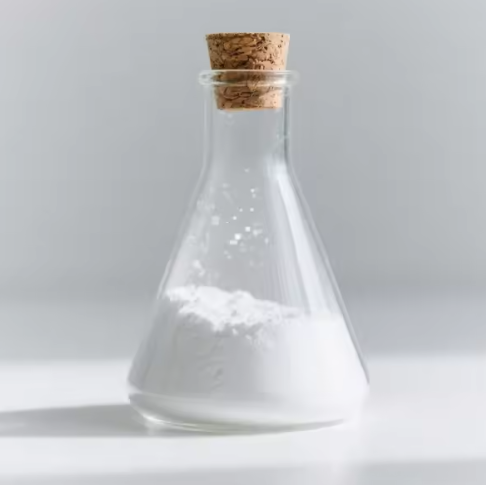
Ectoin, chemically known as tetrahydromethylpyrimidinecarboxylic acid, is a naturally occurring amino acid derivative. It was first discovered in 1985 by German scientists in halophilic bacteria found in salt lakes of the Egyptian desert. This substance helps bacteria survive in extreme environments such as high salt, high temperature, and strong ultraviolet radiation by regulating cell osmotic pressure and protecting the structure of biological macromolecules to maintain life activities.
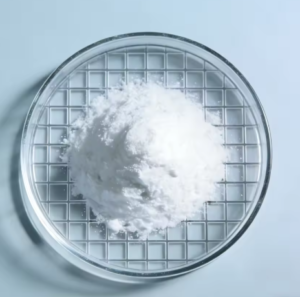
Ectoine is one of the most highly regarded active ingredients in the cosmetics industry, primarily used in skincare, hair care, and sunscreen products. It enhances the skin barrier function, reduces transepidermal water loss, and relieves redness, stinging, and tightness.
In terms of anti-photoaging, ectoine protects the skin from damage caused by ultraviolet radiation and blue light, reducing collagen loss and pigmentation. Furthermore, it has anti-inflammatory and soothing effects, inhibiting the release of inflammatory factors and aiding in the treatment of atopic dermatitis and acne. Common concentrations range from 0.1% to 5%, and it can be used in various products such as serums, creams, and masks.
In the pharmaceutical field, ectoine has been developed as a pharmaceutical active ingredient for treating skin conditions such as atopic dermatitis, eczema, and allergic dermatitis, relieving itching and repairing damaged skin.
In ophthalmology and otolaryngology, ectoine eye drops and sprays are used to treat dry eye, allergic conjunctivitis, rhinitis, and pharyngitis, providing mucosal protection. Due to its excellent antifreeze and anti-dehydration capabilities, ectoine is also used as a cryoprotectant for cells, tissues, and organs (such as skin, cornea, and oocytes), and can replace traditional dimethyl sulfoxide to reduce cell damage.
Technical Specifications:
|
Property
|
Details
|
|
Chemical Name
|
Ectoin
|
|
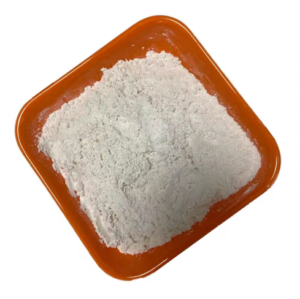
Appearance
|
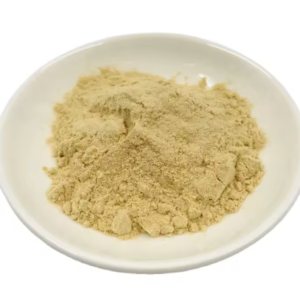
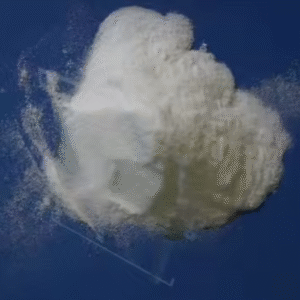
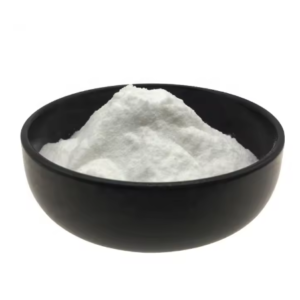
White or white-like crystal or powder
|
|
Identity(IR-spectrum)
|
Corresponds to the reference
|
|
Odor
|
Odorless to slight characteristic odor
|
|
Assay(HPLC)
|
≥99.0%
|
|
Purity (by HPLC,% area)
|
≥99.0%
|
|
Transmittance
|
≥98.0%
|
|
pH(2% solution)
|
5.0~7.0
|
|
Optical Rotation
|
+139.0°~ +145.0°
|
|
Residue on ignition
|
≤0.20%
|
|
Loss on drying
|
≤1.00%
|
|
As
|
≤2 ppm
|
|
Pb
|
≤10 ppm
|
|
Cd
|
≤5 ppm
|
|
Hg
|
≤1 ppm
|
|
Total microbial count
|
≤100 cfu/g
|
|
Molds & Yeasts
|
≤50 cfu/g
|
|
Escherichia coli & Salmonella
|
Negative
|
|
Staphylococcus aureus
|
Negative
|
|
Pseudomonas aeruginosa
|
Negative
|
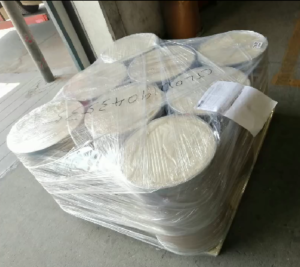
Package:
1kg / 25kg bucket
Palletized Shipping
Lead Time: 1-7 Days
Shipping Methods: Sea/Air/Express delivery