Address
Room 2301C, 23rd Floor, Building 1, jinghu Commercial center, No, 34, Liangzhuang Street, Eri District, Zhengzhou City, Henan province
Work Hours
Monday to Friday: 7AM - 7PM
Weekend: 10AM - 5PM
Address
Room 2301C, 23rd Floor, Building 1, jinghu Commercial center, No, 34, Liangzhuang Street, Eri District, Zhengzhou City, Henan province
Work Hours
Monday to Friday: 7AM - 7PM
Weekend: 10AM - 5PM

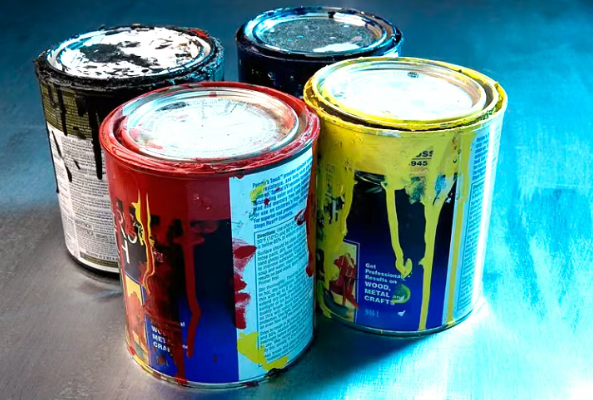
Paint formulation design is a systematic undertaking; it is not merely a simple blending of raw materials, but rather the science and art of striking an optimal balance among cost, performance, processing, and regulatory requirements.
The following are the systematic approach, core principles, and key steps for paint formulation design.
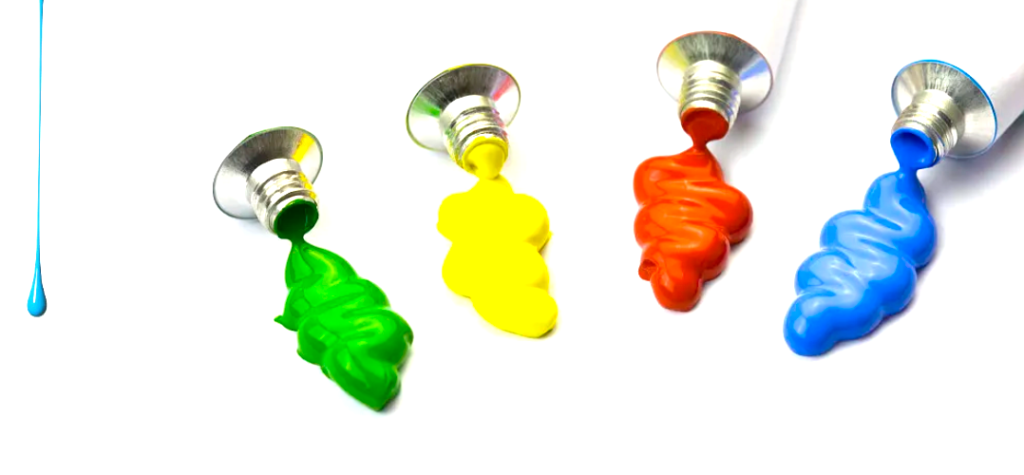
Basic Composition of Coatings
I. The Four Major Components of Coatings and Their Primary Functions
Binder (Resin) — A material capable of adhering to a substrate and forming a continuous coating film; in most cases, it is an organic polymer.
Solvent (or Volatile Component) — Liquids capable of dissolving (or dispersing) the binder, thereby rendering the coating fluid and suitable for application. These substances evaporate and dissipate during or after the application process. Water, in the context of water-based coatings, is also classified as a solvent.
Pigments and Fillers — Materials dispersed within the coating vehicle that remain in a suspended state within the binder even after the coating film has formed. They impart color, opacity (hiding power), and various other specialized functions to the coating film.
Additives — Substances incorporated in very small quantities to enhance numerous properties of the coating—specifically during its manufacture, application, and post-film-formation stages. For guidance on the use of additives, please refer to…
II. General Principles of Coating Formulation Design
Requirements for coating performance—such as gloss, color, various resistance properties, mechanical properties, suitability for indoor/outdoor use, service environment, and various special functions;
Pigments and Fillers—consideration of tinting strength, hiding power, density, surface polarity, dispersibility within the resin matrix, specific surface area, fineness, weather resistance, light fastness, and content of hazardous elements;
Solvents—solvency toward the resin, relative evaporation rate, boiling point, toxicity, and solubility parameters;
Additives—compatibility with the overall system, mutual compatibility among additives, potential adverse effects, and toxicity;
Characteristics of the Substrate—steel, copper and aluminum alloys, wood, concrete, plastics, rubber; substrate surface tension; and surface treatments such as phosphating or sandblasting;
Raw Material Costs—to meet client requirements regarding product pricing;
Formulation Parameters—determination of the proportions of individual components within the formula—constituting the design of “formulation parameters”—such as pigment-to-binder ratio, PVC (Pigment Volume Concentration), solids content, and viscosity;
Application Methods—the influence of application techniques on formula design—such as air spraying, roller coating, UV curing, high-pressure airless spraying, brush application, and electrodeposition—as well as the environmental conditions at the application site or on the coating line.
General Steps for Formula Design
III. Standard Steps for Formula Design
Step 1: Clearly Define Objectives and Requirements.
This serves as the starting point for all design processes and must be as specific and quantifiable as possible.
End Use: Is the application for architectural walls, automotive metal surfaces, wooden furniture, or plastics?
Performance Metrics: Mechanical properties, hardness, flexibility, adhesion, and abrasion resistance.
Durability Requirements: Weather resistance (UV), chemical resistance (acids, alkalis, solvents), water resistance, and temperature resistance.
Optical Properties: Gloss level (high gloss, semi-gloss, matte), color, and transparency.
Application Properties: Drying time, leveling, sag resistance, and pot life.
Cost Targets: Raw material cost (RMB/kg) and target selling price.
Regulatory and Environmental Compliance: VOC content, presence of heavy metals, APEOs, formaldehyde, etc.
Step 2: Architectural Design and System Selection
Based on the objectives established in Step 1, determine the technical route for the formulation.
Film-forming System: This constitutes the “soul” of the formulation, determining the core performance characteristics of the coating.
Water-based: Acrylic emulsions, styrene-acrylic emulsions, pure acrylic emulsions, waterborne polyurethane dispersions (PUDs), waterborne epoxies.
Solvent-based: Alkyd resins, acrylic resins, epoxy resins, polyurethane resins, nitrocellulose.
Solvent-free: Epoxies, polyurethanes. Powder: Epoxies, polyester/TGIC, polyurethanes.
Key Parameter: Pigment Volume Concentration (PVC)
PVC = (Volume of Pigments and Fillers / (Volume of Pigments and Fillers + Volume of Film-forming Substances)) × 100%.
CPVC (Critical Pigment Volume Concentration): The critical point at which the resin precisely fills the voids between the pigment and filler particles and covers their surfaces.
Design Principles:
PVC < CPVC: The film-forming binder is in excess, resulting in a glossy film with superior performance characteristics (weather resistance, chemical resistance, and mechanical strength).
PVC > CPVC: The film-forming binder is insufficient; voids are present within the film, resulting in a matte, porous finish. While certain performance attributes (such as water resistance and stain resistance) are diminished, gas permeability is enhanced.
PVC ≈ CPVC: Represents a transitional point in performance characteristics; this ratio is frequently utilized in primers or low-cost interior wall paints.
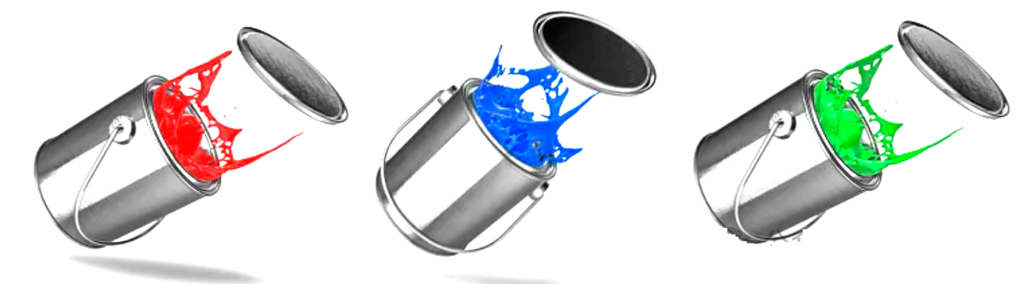
Step 3: Raw Material Selection and Dosage Design
This constitutes the “flesh and blood” of the formulation—the process of selecting appropriate materials and initial quantities for each component.
Film-forming Substances (Resins): Selected based on the specific system; the typical dosage ranges from 30% to 60%.
Pigments: Provide opacity and color. Titanium dioxide is the most critical pigment; its dosage directly impacts both covering power and cost.
Fillers: Serve to reduce costs while influencing film thickness, tactile properties, breathability, and other characteristics. Examples include calcium carbonate, kaolin, barium sulfate, and talc.
Additives: Used in small quantities, yet they exert a significant impact. Adhering to the principle of “addressing primary contradictions before tackling secondary issues,” the typical sequence of addition is as follows:
Dispersants: Ensure the stable dispersion of pigments and fillers.
Wetting Agents: Assist dispersants in their function and improve substrate wettability.
Defoamers: Eliminate bubbles generated during production and application.
Film-forming Aids (Water-based): Facilitate the coalescence of emulsion particles into a continuous film at low temperatures.
Rheology Modifiers (Thickeners): Regulate leveling and sag resistance.
Others: Leveling agents, preservatives, mildewcides, curing agents, etc.
Solvents/Water: Adjust viscosity and workability; serve as the primary source of VOCs.
Step 4: Experimental Verification and Performance Evaluation (Bench-scale Testing)
Formulation and testing are conducted in the laboratory.
Preparation Process: Pay close attention to the sequence of material addition and the dispersion/milling process, as these factors have a significant impact on final performance. Performance Testing:
Initial Properties: Viscosity, pH value, Gloss, Color.
Application Properties: Leveling, Sagging, Drying time.
Film Properties: Adhesion (Cross-cut method), Hardness (Pencil hardness), Impact resistance, Flexibility (Mandrel bend test).
Resistance Tests: Water resistance, Alcohol resistance, Salt spray resistance, QUV accelerated weathering, etc.
Step 5: Optimization and Finalization
Problem Diagnosis and Adjustment:
Pinholing: Check the defoamer and substrate wetting agent.
Poor Leveling: Adjust the leveling agent or reduce the dosage of the thickener.
Sedimentation: Increase the anti-settling agent or adjust the rheological system.
Low Gloss: Verify whether dispersion is adequate and if the PVC content is too high.
Stability Testing: Conduct heat storage and freeze-thaw cycle tests to ensure shelf stability.
Pilot Testing and Production Scale-up: Laboratory success does not guarantee success in large-scale production; pilot-scale validation is required.
IV. Summary: The Qualities of an Excellent Formulator
Paint formulation design is a process of continuous iteration and optimization—an endless journey. Every failure serves as valuable experience paving the way toward a superior formulation.