Address
Room 2301C, 23rd Floor, Building 1, jinghu Commercial center, No, 34, Liangzhuang Street, Eri District, Zhengzhou City, Henan province
Work Hours
Monday to Friday: 7AM - 7PM
Weekend: 10AM - 5PM
Address
Room 2301C, 23rd Floor, Building 1, jinghu Commercial center, No, 34, Liangzhuang Street, Eri District, Zhengzhou City, Henan province
Work Hours
Monday to Friday: 7AM - 7PM
Weekend: 10AM - 5PM

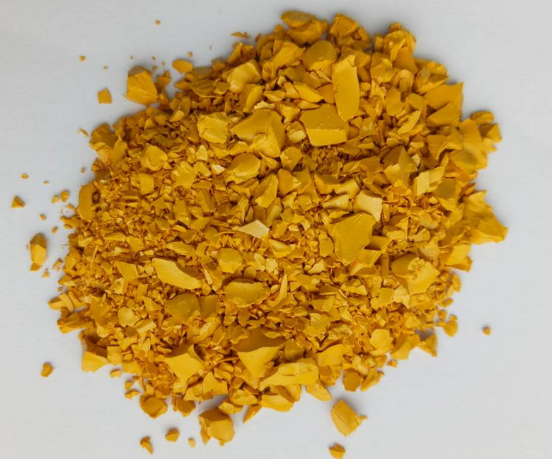
CAB stands for Cellulose Acetate Butyrate; it is a polymeric compound obtained through the esterification reaction of cellulose with acetic acid and butyric acid. CAB possesses excellent transparency, weather resistance, oil resistance, and electrical insulation properties, and is therefore widely utilized in fields such as plastic products, coatings, inks, and adhesives.
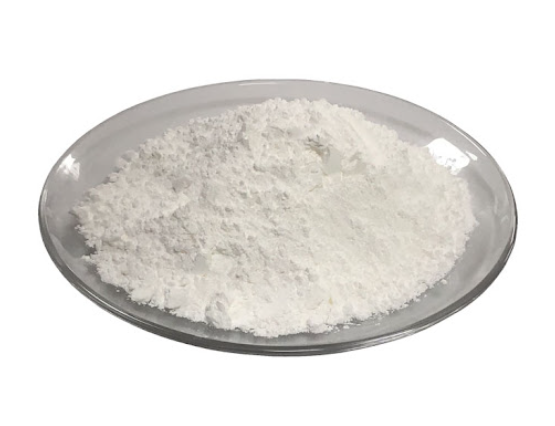
In the coatings industry, CAB primarily serves as a film-forming agent and leveling agent, enhancing both the flow properties of the coating and the smoothness of the resulting film. Its melting point and tensile strength increase as the acetyl content rises, whereas its compatibility with plasticizers and the flexibility of the film increase—within a certain range—as the acetyl content decreases. An increase in hydroxyl content improves CAB’s solubility in polar solvents, while an increase in butyryl content lowers CAB’s density and expands its solubility range.
The production process for CAB typically involves a homogeneous esterification reaction utilizing natural cellulose, with sulfuric acid acting as a catalyst and acetic and butyric acids serving as solvents, to yield a crude product; the final product is then obtained through subsequent steps including hydrolysis, neutralization, precipitation, washing, cooking, and drying.
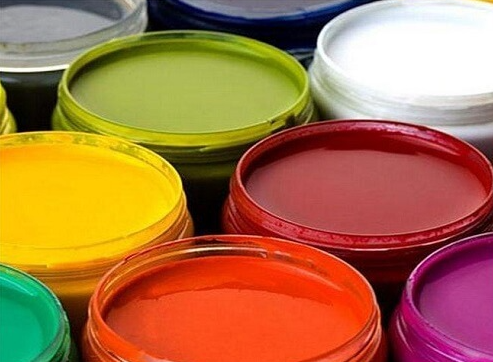
The Primary Functions of CAB in Coatings
The main functions of CAB (cellulose acetate butyrate) in coatings include:
1.Improving leveling properties: CAB provides a good leveling effect, making the coating surface smoother after application.
2.Shorten drying time: CAB helps accelerate the drying process of coatings and improve coating efficiency.
3.educe surface defects: By suppressing sagging and cratering, CAB helps reduce surface defects that may occur after coating application.
4.Promotes the directional alignment of metallic pigments: In coatings containing metallic pigments, CAB helps the metallic pigments to align, thereby enhancing the decorative effect of the coating.
5.Solvent resistance: CAB can improve the chemical resistance of coatings and resist solvent erosion.
6.Resistance to plasticizer migration: CAB helps prevent plasticizers from migrating out of the coating, maintaining the stability of the coating’s performance.
The Role of CAB in Automotive Refinish Coatings
The functions of CAB (Cellulose Acetate Butyrate) in automotive refinish coatings include:
1.Fast Drying: CAB accelerates the drying time of the coating, making the automotive refinishing process more efficient.
2.Sag Resistance: The addition of CAB improves the flow properties of the coating, reducing the phenomenon of sagging in the paint film during the drying process.
3.Metallic Pigment Control: CAB aids in controlling the orientation and alignment of metallic pigments, thereby enhancing the decorative effect of the coating.
4.Ease of Polishing: CAB improves the surface characteristics of the paint film, making it easier to polish and enhancing the smoothness of the final finish.
5.Cold-Crack Resistance: CAB increases the flexibility of the coating, ensuring it remains resistant to cracking even under low-temperature conditions.
6.Weather Resistance: CAB enhances the weatherability of the paint film, allowing it to maintain its integrity and appearance over time in outdoor environments.
Furthermore, CAB offers a range of additional benefits in coatings, including improved leveling, reduced cratering, minimized blocking (sticking), stabilization of metallic pigments, enhanced grindability, UV stability, resistance to yellowing, improved spray characteristics, enhanced freeze-thaw resistance, reduced solvent popping, improved slip properties, reduced plasticizer migration, viscosity control, utility as a pigment grinding medium, control over aluminum flake orientation, and resistance to solvent redissolution. These characteristics make CAB an indispensable component in automotive refinish coatings.
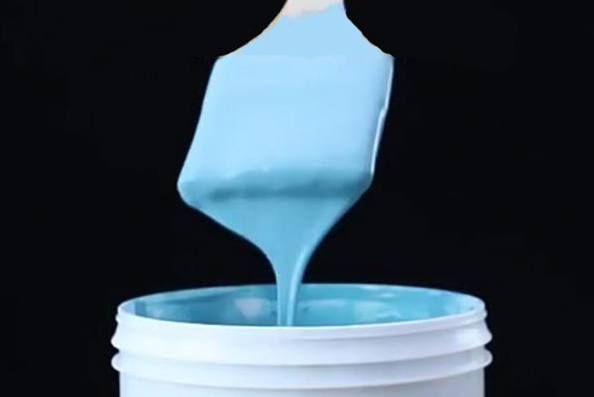
The Role of CAB in Inks
The application of CAB (Cellulose Acetate Butyrate) in inks offers a variety of effects; these functions include:
1.Improved Leveling: CAB enhances the flow and leveling properties of ink, ensuring that the ink distributes evenly across the substrate after printing and minimizing surface irregularities.
2.Enhanced Gloss and Transparency: CAB helps boost the gloss and transparency of ink, resulting in printed materials with more vivid and true-to-life colors.
3.Increased Abrasion Resistance and Color Stability: CAB improves the ink’s resistance to abrasion, allowing printed materials to maintain a pristine appearance even after prolonged use, while simultaneously preserving color stability.
4.Reduced Drying Time: CAB contributes to shortening the ink’s drying time, thereby boosting production efficiency.
5.Enhanced Chemical and Weather Resistance: CAB increases the ink’s resistance to chemical substances, ensuring its stability across various environments. It also provides excellent weather resistance, preventing fading caused by exposure to light or climatic changes.
6.Good Flexibility and Anti-Blocking Properties: CAB imparts excellent flexibility to the ink, making printed materials less prone to cracking while simultaneously minimizing blocking (sticking) issues during the printing process.
7.Pigment Dispersion Medium: CAB serves as a dispersion medium for pigments, facilitating their uniform distribution within the ink and thereby enhancing the visual impact of the printed output.
8.Control of Metallic Pigment Orientation: In inks containing metallic pigments, CAB helps control the directional alignment of these pigments, thereby enhancing the decorative effect of the ink.
9.Resistance to Plasticizer Migration: CAB helps prevent the migration of plasticizers out of the ink, thereby maintaining the stability of the ink’s performance properties.
10.Suitability for Water-Based Systems: CAB can also be utilized in water-based ink systems, offering performance advantages comparable to those of solvent-based inks while presenting a lower environmental impact.
In summary, the application of CAB in ink formulations significantly enhances ink performance, effectively meeting the modern printing industry’s demand for high-quality printed materials.
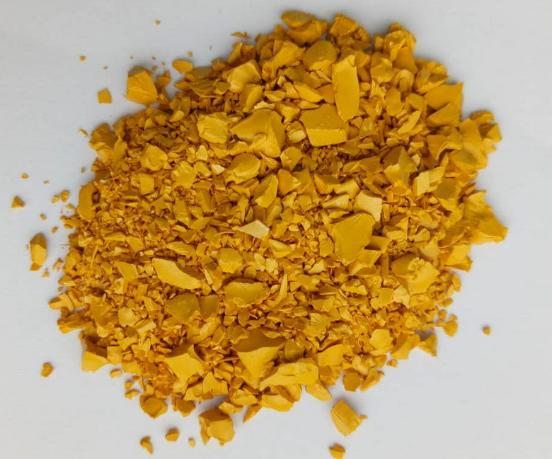
In terms of safety, CAB is considered non-toxic; however, appropriate protective measures—such as wearing gloves and safety goggles—should still be taken during use and handling to avoid direct contact with the skin and eyes. Additionally, it should be stored in a dry, well-ventilated environment, away from sources of heat and ignition.