Address
Room 2301C, 23rd Floor, Building 1, jinghu Commercial center, No, 34, Liangzhuang Street, Eri District, Zhengzhou City, Henan province
Work Hours
Monday to Friday: 7AM - 7PM
Weekend: 10AM - 5PM
Address
Room 2301C, 23rd Floor, Building 1, jinghu Commercial center, No, 34, Liangzhuang Street, Eri District, Zhengzhou City, Henan province
Work Hours
Monday to Friday: 7AM - 7PM
Weekend: 10AM - 5PM

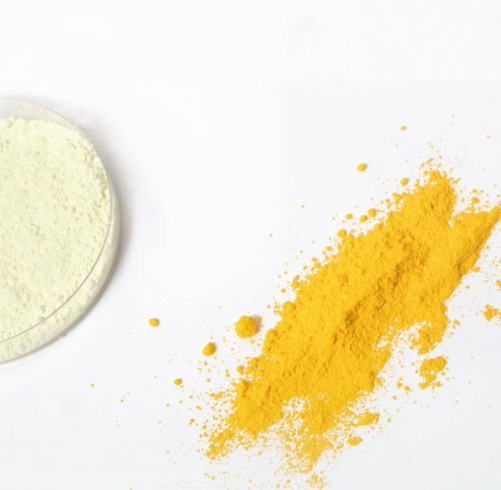
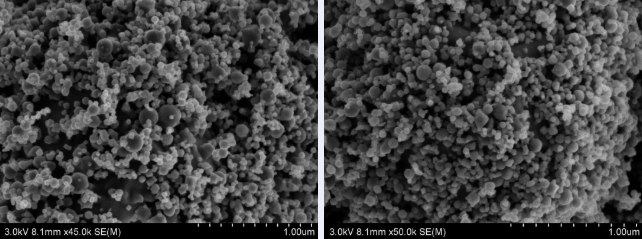
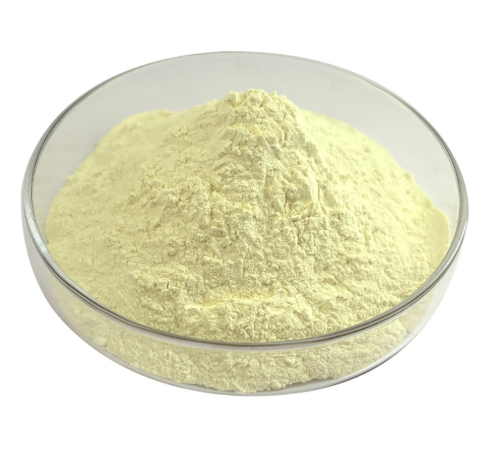
Nanocrystalline bismuth oxide is a significant functional material with a wide range of applications. It serves not only as an effective catalyst for organic synthesis, a ceramic colorant, a flame retardant for plastics, a pharmaceutical astringent, and an additive for glass—including in the manufacture of high-refractive-index and nuclear-grade glass, as well as fuel for nuclear reactors—but also as a crucial doping powder material within the electronics industry.
Electronic Functional Materials
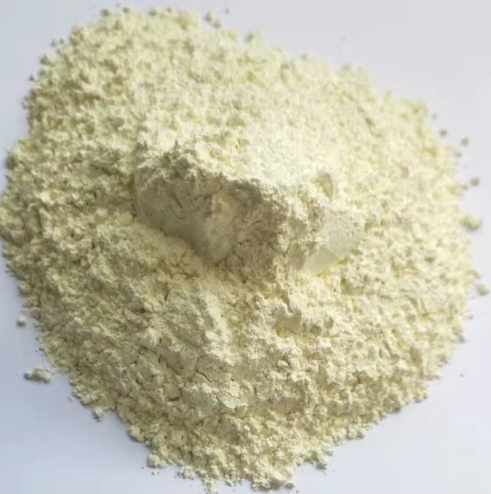
As a functional electronic powder dopant, bismuth oxide is widely utilized in the manufacturing of electronic components—such as sensitive elements and dielectric ceramics—and is characterized by its stringent quality requirements as well as its application across a broad spectrum of fields, albeit often in relatively small quantities. Under standard conditions, the monoclinic α-bismuth oxide polymorph is the most thermodynamically stable form; its crystal structure features a high concentration of oxygen vacancies, which facilitates excellent oxygen-ion conductivity, making it an ideal material for the fabrication of various solid oxide fuel cells, oxygen sensors, and similar devices.
Bismuth oxide is also a frequently selected active material in chemical power sources, serving, for instance, as an excellent corrosion inhibitor in mercury-free zinc batteries, an electrode material in lithium batteries, and an additive for enhancing the rechargeability of alkaline zinc-manganese dioxide batteries. Research has demonstrated that nanoscale bismuth oxide exhibits superior rechargeable performance compared to conventional bismuth oxide powders; furthermore, when employed as an additive to EMD (electrolytic manganese dioxide)—the active cathode material in primary batteries—it demonstrates exceptional performance under deep-discharge conditions.

Burning Rate Catalyst
Lead oxide serves as a crucial burn rate catalyst in double-base solid propellants; it enhances the propellant’s burn rate and reduces its pressure exponent. However, lead is highly toxic and poses direct or potential hazards to both humans and the environment. Bismuth compounds, conversely, act as burn rate catalysts characterized by low toxicity, minimal smoke generation, and exceptional ecological safety. In the low-pressure regime, nano-bismuth oxide demonstrates superior efficacy in enhancing propellant burn rates compared to nano-lead oxide, while also effectively lowering the propellant’s pressure exponent. Consequently, nano-bismuth oxide holds great promise as a viable substitute for nano-lead oxide.
Photocatalytic Degradation Materials
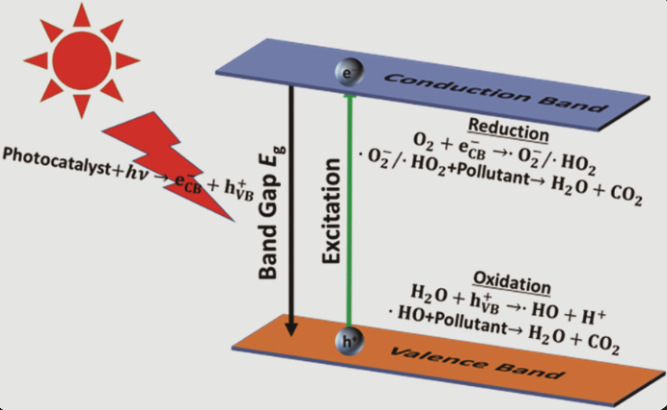
Experimental studies on the photocatalytic treatment of nitrite-containing wastewater using bismuth oxide have been reported; the results indicate that bismuth oxide exhibits significant photocatalytic activity. Due to their large specific surface area and high photocatalytic activity, nanomaterials demonstrate even more superior photocatalytic properties.
Radiation-shielding materials
Current radiation-shielding materials typically consist of lead-based products; however, lead is harmful to both human health and the environment. Bismuth is a “green metal,” and its radiation attenuation coefficient is higher than that of lead. By combining the strong radiation-shielding capabilities of nano-bismuth oxide with the unique characteristics of nanomaterials—such as quantum effects—a new avenue is undoubtedly opened for the development of high-performance radiation-shielding materials.
The company employs EEM preparation technology, which enables the stable, mass-scale production of various types of metal nanopowders. This technology effectively resolves the issues—such as low purity, low activity, poor uniformity, and large particle size—that typically plague products manufactured via other production methods (e.g., liquid-phase synthesis or mechanical milling). Through extensive experimentation, and by taking into account the specific physicochemical properties—such as electrical conductivity and specific gravity—of different metals and alloys, the company has established a comprehensive system of parameters for high-voltage pulse shock processing. Consequently, the company possesses extensive and highly refined expertise in the precise preparation of diverse nanopowders characterized by high purity and uniform particle size distribution, maintaining precise and controllable uniformity within the 10–100 nanometer range.