Address
Room 2301C, 23rd Floor, Building 1, jinghu Commercial center, No, 34, Liangzhuang Street, Eri District, Zhengzhou City, Henan province
Work Hours
Monday to Friday: 7AM - 7PM
Weekend: 10AM - 5PM
Address
Room 2301C, 23rd Floor, Building 1, jinghu Commercial center, No, 34, Liangzhuang Street, Eri District, Zhengzhou City, Henan province
Work Hours
Monday to Friday: 7AM - 7PM
Weekend: 10AM - 5PM

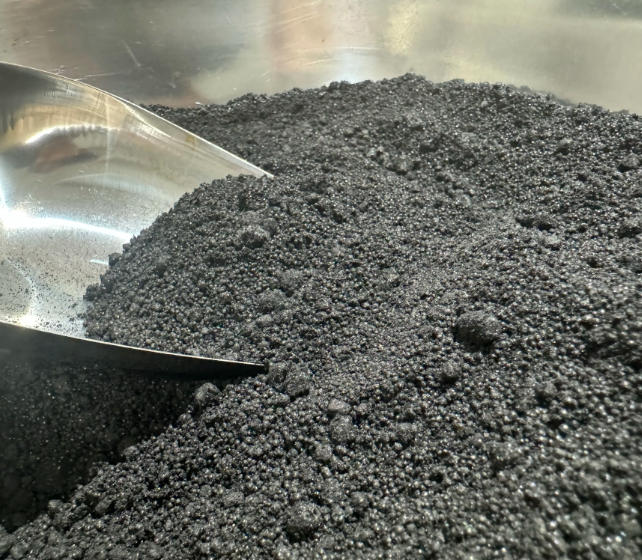
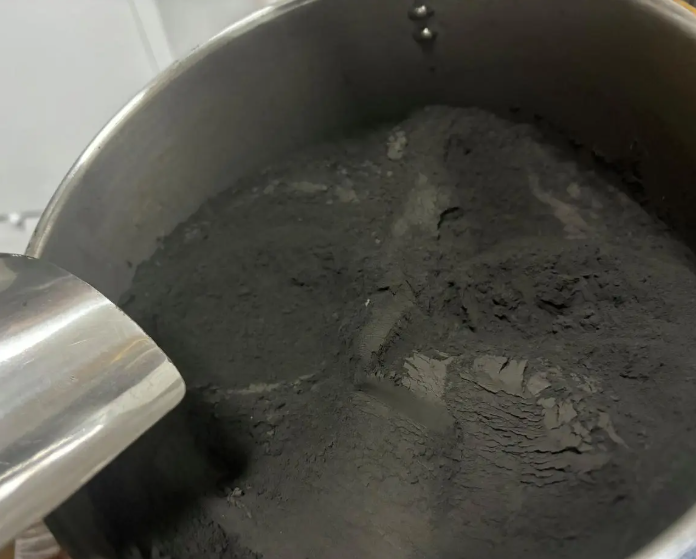
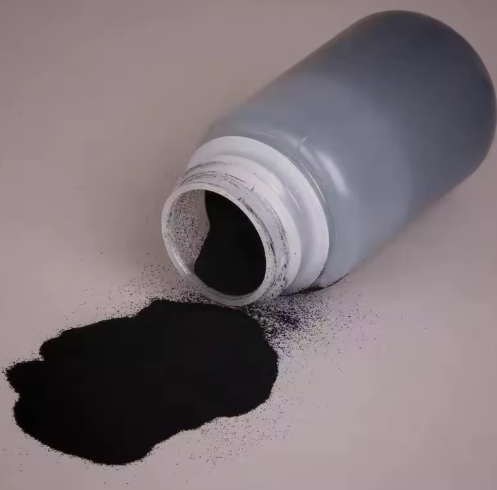
Palladium on carbon is a commonly used catalyst for hydrogenation reactions; however, it is highly flammable and therefore requires particular caution during handling. While the general procedures for using palladium on carbon are widely available online—and largely consistent across various sources—I would like to share some of my own practical experiences regarding the handling of dry palladium on carbon, in the hope that this information proves helpful to you.
I. Feeding Operations for Palladium-on-Carbon
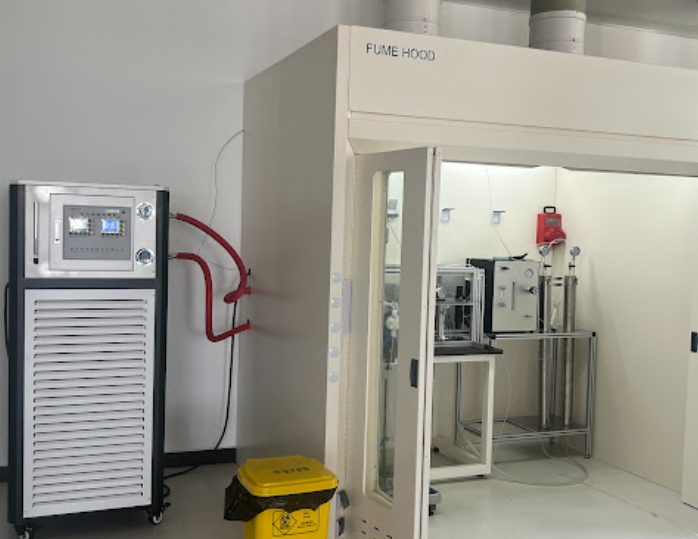
Pre-charging Preparations: Clear all flammable reagents from the fume hood. If adding a small amount of material, prepare a damp towel (small flames can be extinguished simply by covering them directly with the towel); if adding a large amount, ensure both a damp towel and a fire extinguisher are ready.
Nitrogen Purging of the Reaction Flask: Secure the reaction flask in place and add an appropriate amount of reaction solvent (I typically add half of the required solvent volume; avoid adding the starting materials at this stage, as an accidental fire would result in the loss of valuable reagents). Temporarily close the fume hood sash (remember to reopen it after adding the palladium-on-carbon catalyst) and purge the flask with nitrogen to displace the air. (Allow the nitrogen to flow for a sufficient duration; this ensures a high concentration of nitrogen near the flask opening, thereby minimizing contact with oxygen during the addition of the palladium-on-carbon. Note: If using a three-way adapter for purging, nitrogen is effectively confined to the interior of the flask, leaving the atmosphere immediately outside the flask—and thus the flask opening—relatively low in nitrogen and high in oxygen. Furthermore, avoid using argon if possible; since argon is denser than air, it tends to settle rapidly to the bottom [Densities: Air = 1.29 g/L; Nitrogen = 1.25 g/L; Argon = 1.78 g/L]).
Weighing and Adding Palladium-on-Carbon: If feasible, move the balance directly into your fume hood to perform the weighing; weigh the material rapidly to minimize the duration of its exposure to air. Once weighed, slowly pour it into the reaction flask (some online sources suggest using a spoon to transfer it gradually in order to reduce friction). If the required charge is large, weigh and add it in batches; prior to each addition, purge the reaction flask with nitrogen again (if any palladium-on-carbon adheres to the flask walls, rinse it down with a small amount of solvent before purging with nitrogen). After the palladium-on-carbon has been added, introduce the remaining reactants, and then proceed to displace the atmosphere with hydrogen gas.
II. Post-treatment Operations for Palladium on Carbon
Once the reaction is complete, first close the balloon-side port of the three-way adapter. (Avoid lifting the adapter directly if possible; if any catalyst splashed onto the flask opening during stirring, the friction generated between the catalyst, hydrogen, and air at this stage could easily trigger a flash fire.)
After lining the Buchner funnel with filter paper, lay down a layer of diatomaceous earth. Wet this layer with solvent, then apply vacuum filtration to pack it down firmly. Pour the reaction mixture into the funnel, using additional solvent to rinse any residual palladium-on-carbon from the neck of the flask. (If the volume of the reaction mixture is small, do not apply the vacuum immediately; wait until the entire reaction mixture has been transferred into the Buchner funnel before initiating filtration.) During filtration, it is crucial not to allow the filter cake to go dry; as soon as the palladium-on-carbon begins to emerge above the liquid level, immediately add more solvent or disconnect the vacuum line. After repeating this process a few times, the palladium-on-carbon will settle into a compact layer. At this point, the supernatant liquid should appear clear; you may then lay down a second layer of diatomaceous earth on top to completely sandwich the palladium-on-carbon between the two layers. Once secured in this manner, the filter cake can be safely filtered to dryness. Finally, disconnect the vacuum line, pour a small amount of water over the cake, and set the funnel aside in a safe location.
The primary reason for adding a final layer of diatomaceous earth is to address a common issue: after filtration, many people—uncertain whether all the product has been fully eluted—simply set the Buchner funnel aside. If left unattended for an extended period, the residual solvent evaporates, leaving the catalyst exposed and highly susceptible to combustion. By covering the palladium-on-carbon with a protective layer of diatomaceous earth, the catalyst remains compressed underneath; even if it dries out, it becomes significantly more difficult to ignite. Nevertheless, the funnel should not be left sitting indefinitely, as prolonged storage could still lead to unforeseen hazards; therefore, dispose of the palladium-on-carbon waste as soon as possible after the desired product has been recovered.
III. Treatment of Spent Palladium-on-Carbon
Generally, soaking palladium-on-carbon in a sodium thiosulfate solution overnight is sufficient to deactivate it. Other methods—such as soaking in strong acids, strong bases, or sodium hypochlorite solutions—can also be used to treat and deactivate palladium-on-carbon; however, these approaches entail numerous drawbacks and are therefore not recommended.
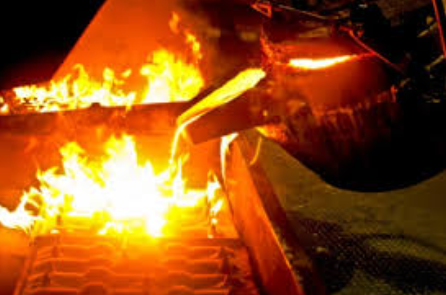
IV. Under what circumstances is palladium-on-carbon prone to spontaneous combustion, and how can it be prevented?
A specific study has investigated the conditions under which palladium-on-carbon (Pd/C) undergoes spontaneous combustion (10.1021/acs.oprd.1c00190); interested readers may wish to consult the original article.
1.If the reaction solvent is an alcohol (particularly methanol), spontaneous combustion is highly likely to occur during vacuum filtration. However, if the solvent is tetrahydrofuran (THF), 2-methyltetrahydrofuran, ethyl acetate, isopropyl acetate, toluene, DMF, DMAc, or acetone, ignition will not occur—even after prolonged vacuum filtration (though readers are advised against attempting this without proper precautions).
2.Rinsing the filter cake with water can effectively prevent spontaneous combustion.
3.After filtration, rinsing the filter cake with a thiophene solution (the cited literature uses a thiophene-in-methanol solution as an example) can effectively poison the Pd/C catalyst, thereby preventing spontaneous combustion.
4.Provided there is no exposure to hydrogen gas, stirring the Pd/C in methanol followed by vacuum filtration will not result in spontaneous combustion.