Address
Room 2301C, 23rd Floor, Building 1, jinghu Commercial center, No, 34, Liangzhuang Street, Eri District, Zhengzhou City, Henan province
Work Hours
Monday to Friday: 7AM - 7PM
Weekend: 10AM - 5PM
Address
Room 2301C, 23rd Floor, Building 1, jinghu Commercial center, No, 34, Liangzhuang Street, Eri District, Zhengzhou City, Henan province
Work Hours
Monday to Friday: 7AM - 7PM
Weekend: 10AM - 5PM

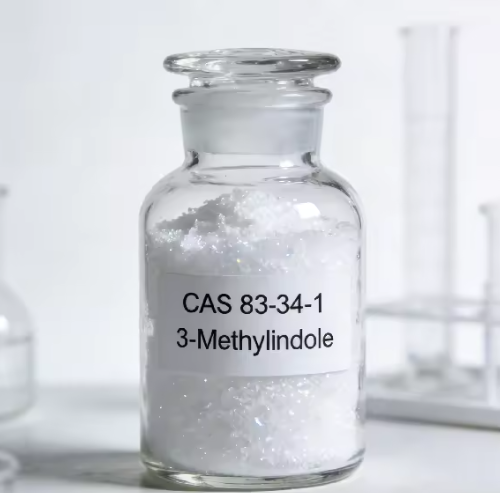
Skatole, chemically known as 3-methylindole, is a white or slightly brownish flaky crystalline organic compound, a derivative of indole. It exhibits extremely high volatility and diffusivity, and possesses a distinctive odor.
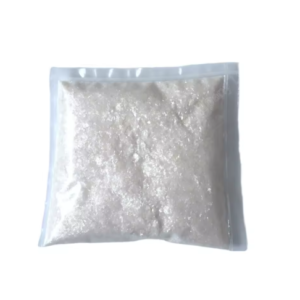
At high concentrations, it emits an intense fecal odor and is one of the primary volatile components responsible for the foul smell of feces;
However, at extremely low concentrations, it gives off an aroma resembling jasmine blossoms or ripe fruit, and is therefore widely utilized in the fragrance industry.
Skatole occurs naturally in substances such as mammalian feces, beets, *Meliosma* wood, and coal tar; it can also be produced through chemical synthesis.
In addition to playing a significant role in daily-use fragrances and food additives, skatole possesses certain pharmacological properties—such as anti-inflammatory and antibacterial effects—though it also exhibits moderate toxicity and can induce pulmonary edema in certain animals.
Technical Specifications:
|
Product name
|
3-Methylindole
|
|
Synonyms
|
3-Methyl-1H-indole; Skatole
|
|
CAS
|
83-34-1
|
|
Molecular Formula
|
C9H9N
|
|
Molecular Weight
|
131.18
|
|
EINECS
|
201-471-7
|
|
FEMA
|
3019
|
|
Appearance
|
Bright white powder
|
|
Assay
|
99%min
|
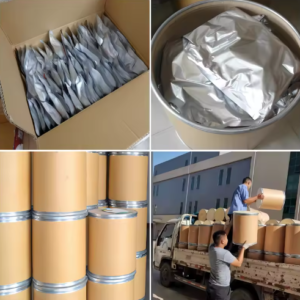
Package:
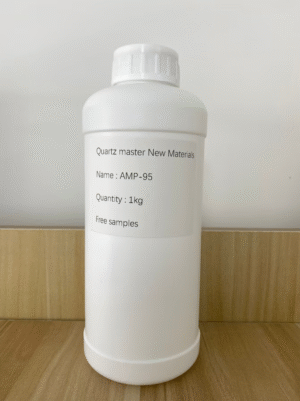
1kg /25kg Bucket
Palletized Shipping
Lead Time: 1-7 Days
Shipping Methods: Sea/Air/Express delivery