Address
Room 2301C, 23rd Floor, Building 1, jinghu Commercial center, No, 34, Liangzhuang Street, Eri District, Zhengzhou City, Henan province
Work Hours
Monday to Friday: 7AM - 7PM
Weekend: 10AM - 5PM
Address
Room 2301C, 23rd Floor, Building 1, jinghu Commercial center, No, 34, Liangzhuang Street, Eri District, Zhengzhou City, Henan province
Work Hours
Monday to Friday: 7AM - 7PM
Weekend: 10AM - 5PM

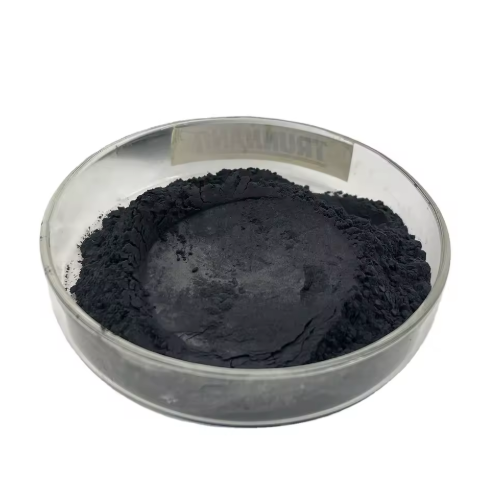
Iron silicide is a chemical substance. Natural deposits of iron silicide exist on Earth, though they are rare; known as disilicide, its chemical formula is FeSi₂—though, naturally, it also contains various impurities, such as iron. Currently, iron silicide can also be synthesized artificially. The chemical composition of iron silicides encompasses various forms, including iron monosilicide (FeSi), triiron silicide (Fe₃Si), diiron silicide (Fe₂Si), pentairon disilicide (Fe₅Si₂), diiron trisilicide (Fe₂Si₃), and pentairon trisilicide (Fe₅Si₃).
It serves as a catalyst for the catalytic oxidation of hydrogen and methanation reactions, helping to enhance reaction efficiency and selectivity; as such, it holds significant value in the fields of energy conversion and chemical manufacturing.
Acting as a deoxidizer in welding fluxes, it effectively removes oxide impurities generated during the welding process, thereby improving weld quality. It also functions as an additive in ferroalloy production—such as in the manufacture of ferrosilicon alloys and stainless steel—enhancing the hardness, wear resistance, and heat resistance of the resulting alloys.
Possessing excellent electrical and thermal conductivity, it is suitable for use in the fabrication of electronic devices—such as thermocouples and thermoelectric solar cells—where its thermoelectric properties are harnessed to facilitate the conversion of thermal energy into electrical energy.
It can be utilized to fabricate humidity sensors, leveraging its sensitivity to ambient moisture levels to enable effective humidity monitoring capabilities.
Exhibiting magnetic properties, it is applicable in the preparation of various magnetic materials—including magnetic ceramics—and holds potential for applications in fields such as magnetic data storage and magnetic sensing.
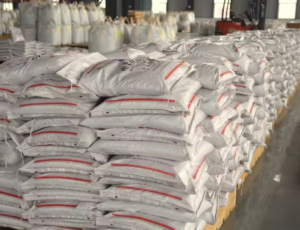
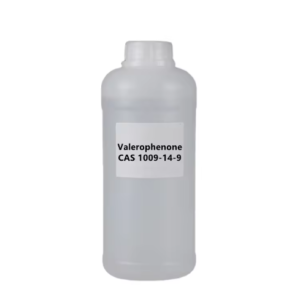
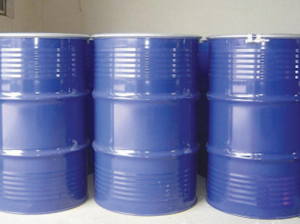
Package:
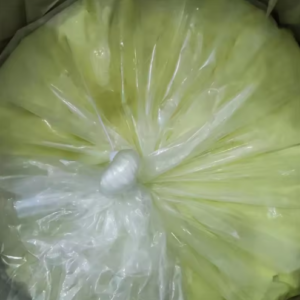
1kg /20kg Bag
Palletized Shipping
Lead Time: 1-7 Days
Shipping Methods: Sea/Air/Express delivery