Address
Room 2301C, 23rd Floor, Building 1, jinghu Commercial center, No, 34, Liangzhuang Street, Eri District, Zhengzhou City, Henan province
Work Hours
Monday to Friday: 7AM - 7PM
Weekend: 10AM - 5PM
Address
Room 2301C, 23rd Floor, Building 1, jinghu Commercial center, No, 34, Liangzhuang Street, Eri District, Zhengzhou City, Henan province
Work Hours
Monday to Friday: 7AM - 7PM
Weekend: 10AM - 5PM

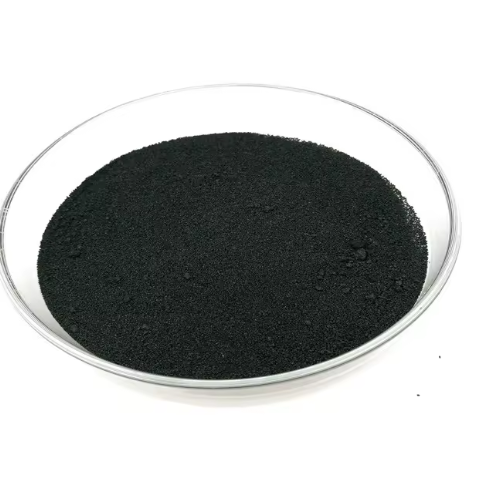
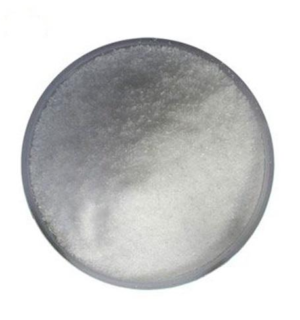
Aluminum diboride, with the chemical formula AlB₂, is an inorganic compound composed of the elements aluminum and boron; at room temperature, it typically appears as a reddish-copper or dark-red solid powder. It is a prototypical transition metal boride featuring a unique layered crystal structure, in which layers of boron atoms are sandwiched between layers of aluminum atoms—a configuration that endows it with exceptional physical properties. Aluminum diboride possesses an extremely high melting point, low density, and excellent electrical and thermal conductivity, while also exhibiting robust oxidation resistance and corrosion resistance at elevated temperatures.
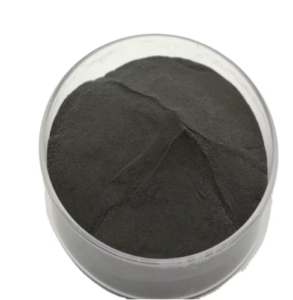
It is frequently utilized as a reinforcing agent in aluminum-matrix composites for the fabrication of high-performance, lightweight structural components, such as aircraft engine blades and turbofan blades.
Furthermore, it is employed in the preparation of specialized ceramic materials—such as high-temperature-resistant coatings and wear-resistant components—as well as serving as a heat-dissipation substrate or electrode material in electronic devices.
In the aerospace sector, aluminum diboride ceramics are also used to manufacture components required to withstand extreme temperatures and harsh environments, such as rocket engine nozzles and missile nose cones.
Leveraging its excellent thermal and electrical conductivity, it can be utilized to fabricate heat-dissipation substrates, insulating layers, or electrode materials for semiconductor devices, thereby aiding in the resolution of thermal management issues in electronic equipment.
In the field of new energy, aluminum diboride and its composites have also demonstrated potential as electrode materials or additives for use in energy storage devices, such as lithium-ion batteries.
Package:
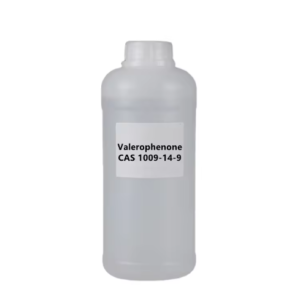
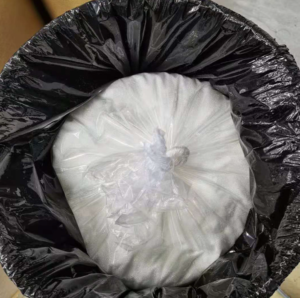
1kg /25kg Bucket
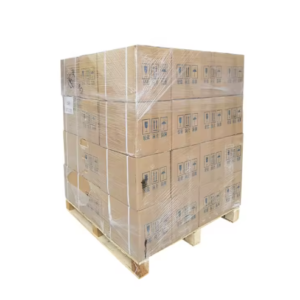
Palletized Shipping
Lead Time: 1-7 Days
Shipping Methods: Sea/Air/Express delivery