Address
Room 2301C, 23rd Floor, Building 1, jinghu Commercial center, No, 34, Liangzhuang Street, Eri District, Zhengzhou City, Henan province
Work Hours
Monday to Friday: 7AM - 7PM
Weekend: 10AM - 5PM
Address
Room 2301C, 23rd Floor, Building 1, jinghu Commercial center, No, 34, Liangzhuang Street, Eri District, Zhengzhou City, Henan province
Work Hours
Monday to Friday: 7AM - 7PM
Weekend: 10AM - 5PM

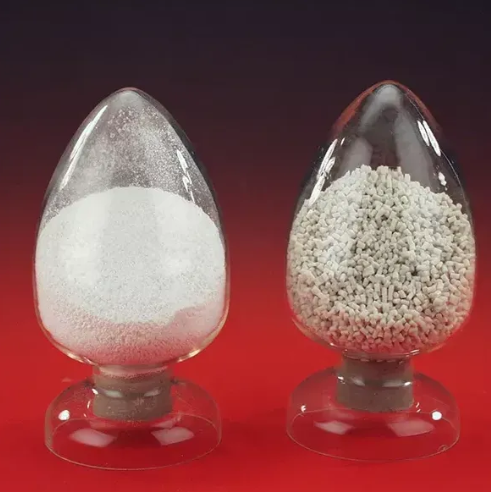
When “biodegradable” is no longer just a label, but a material that can truly return to nature — this is the story of Polyhydroxyalkanoates (PHA).
Why Do We Need New Plastics?
Hundreds of millions of tons of plastics are produced every year, most of which are derived from petroleum and are non-biodegradable, eventually ending up in the oceans, soil, and even our bodies.
Humans once imagined that “biodegradable plastics” could save the planet, but the reality is that many materials labeled as “biodegradable” can only degrade under specific industrial composting conditions and remain ineffective in natural environments.
As a result, scientists began searching for “truly biodegradable” materials.
The answer came from the microbial world — Polyhydroxyalkanoates (PHA).
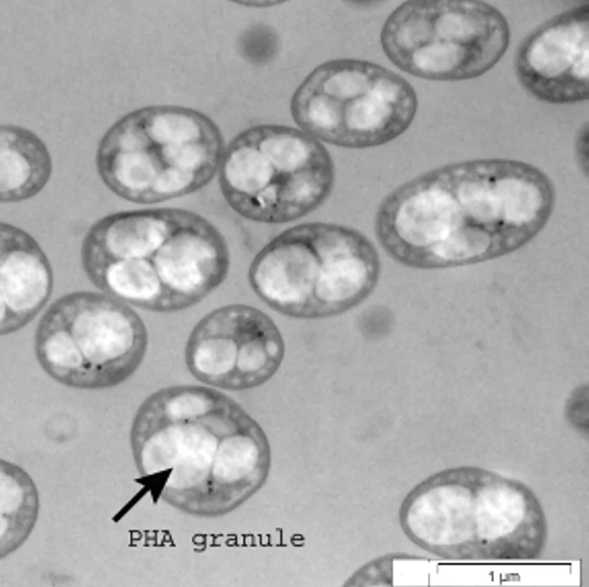
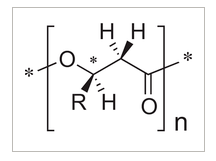
Polyhydroxyalkanoates (PHA) is actually a product synthesized by certain microorganisms to “survive periods of starvation” by storing energy.
When nutrients are abundant and carbon sources are sufficient, microorganisms synthesize this high-molecular-weight substance in their cells as an energy reserve.
When the environment becomes harsh, PHA is decomposed to sustain cell survival.
In other words, PHA is a kind of “bioplastic” invented by nature itself.
Humans have simply learned to imitate microorganisms and cultivate it in fermentation tanks.
More than one hundred types of PHA are currently known. Common examples include:
From “Laboratory Microbial Cultures” to “Industrial Production Lines”
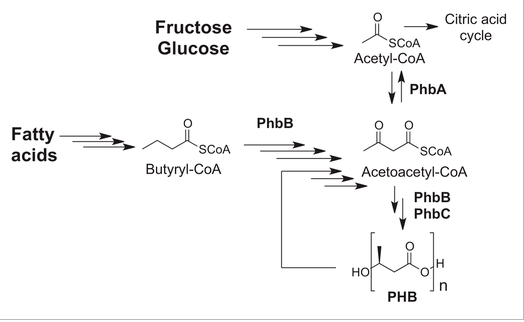
The production process of Polyhydroxyalkanoates (PHA) is like a microbial brewing process:
Today, many companies around the world have invested in the industrialization of PHA, including Kaneka, Danimer Scientific, PHB Industrial, Bluepha, and Zhejiang Hisun Biomaterials.
What Makes Polyhydroxyalkanoates (PHA) Special?
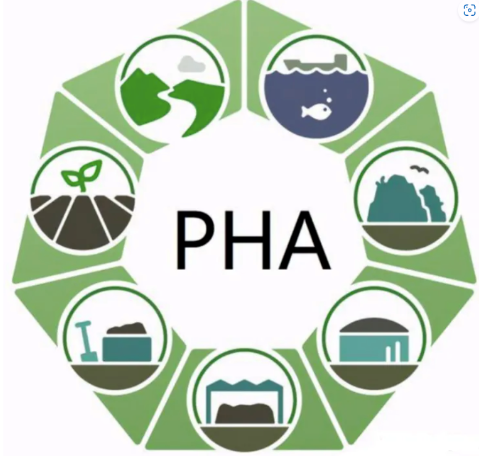
In natural environments, Polyhydroxyalkanoates (PHA) can be decomposed by microorganisms into carbon dioxide and water (and can even produce methane under anaerobic conditions), leaving no harmful residues.
This means that even if it ends up in the ocean, it can still “return to nature” and achieve true environmental degradation.
Polyhydroxyalkanoates (PHA) Also Has “Official Certifications”
The environmental benefits of Polyhydroxyalkanoates (PHA) are not just “scientific hype” — they have already been recognized by international standards:
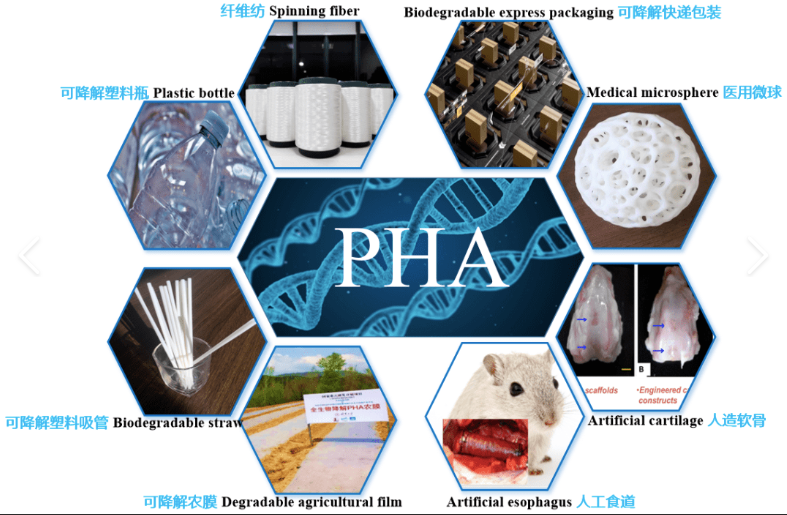
In China, PHA has been included in the key development list of the “General Technical Requirements for Degradable Plastic Products,” and some cities have begun using it as a substitute for takeaway packaging, agricultural mulch films, and disposable products.
Future Trend: From “Biodegradability” to “Carbon Circularity”
The true appeal of Polyhydroxyalkanoates (PHA) lies in the possibility that it could become a representative “carbon circular material.”
Future research directions include:
In short, PHA is not only an alternative to plastics, but may also become a starting point for the future of materials science.
In the race to address plastic pollution, materials such as Polylactic Acid (PLA), Polybutylene Adipate Terephthalate (PBAT), and Polybutylene Succinate (PBS) have already taken the lead, while Polyhydroxyalkanoates (PHA) is rapidly catching up as a rising star.
It comes from microorganisms, yet it may transform the way humanity uses plastics altogether.
Perhaps in the near future, the takeaway container in your hand, your 3D-printing filament, or even implants inside the human body may all come from these tiny “green factories.”