Address
Room 2301C, 23rd Floor, Building 1, jinghu Commercial center, No, 34, Liangzhuang Street, Eri District, Zhengzhou City, Henan province
Work Hours
Monday to Friday: 7AM - 7PM
Weekend: 10AM - 5PM
Address
Room 2301C, 23rd Floor, Building 1, jinghu Commercial center, No, 34, Liangzhuang Street, Eri District, Zhengzhou City, Henan province
Work Hours
Monday to Friday: 7AM - 7PM
Weekend: 10AM - 5PM

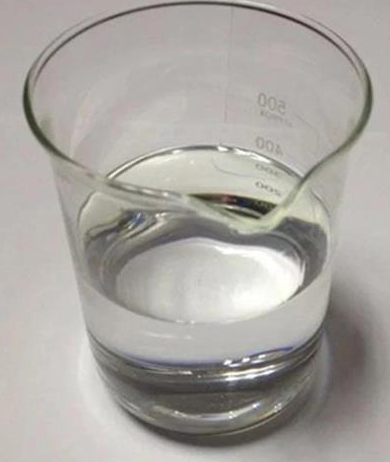
N-(2-Aminoethyl)-3-aminopropylmethyldimethoxysilane (KH-602) is an organosilane coupling agent featuring dual amino functional groups. Its molecular structure incorporates both hydrolyzable methoxysilane groups and chemically reactive amine groups; this unique composition enables it to form chemical bonds with the surfaces of inorganic materials while simultaneously chemically bonding with organic polymeric materials. Consequently, it significantly enhances the adhesion strength, water resistance, and mechanical properties of composite materials.
This compound finds extensive application in fields such as glass fiber-reinforced plastics, coatings, adhesives, sealants, and textile finishing agents. As a key raw material in the synthesis of amino-functional silicone oils and their emulsions, it imparts superior softness, smoothness, and antistatic properties to textile fabrics. Furthermore, it holds significant application value in the realms of electronic packaging materials, foundry resins, and biochemical engineering.
Comparable Products:
Dow Corning Z-6436
Evonik: 1411
Shinetsu: KBM-602
Momen-tive:A-2120
In the textile industry, KH-602 serves as a key raw material for the preparation of amino-functional silicone oils and their emulsions. By incorporating it into the molecular chains of silicone oils, it imparts excellent softness, smoothness, drape, and antistatic properties to textile fabrics. Fabrics treated with this material not only offer a comfortable feel but also exhibit excellent wash durability and resistance to yellowing; consequently, it is widely utilized in the post-finishing processing of natural fibers—such as silk, cotton, and linen—as well as synthetic fibers.
In the field of glass fiber reinforced plastics (GFRP) and other composite materials, this substance is frequently employed as a surface treatment agent (sizing agent) for glass fibers. It significantly enhances the interfacial bonding strength between the glass fibers and the resin matrix, thereby boosting the composite material’s tensile strength, flexural strength, and interlaminar shear strength—particularly regarding wet-state performance in humid environments. Furthermore, it improves the dispersibility of pigments and fillers within the resin matrix and enhances the storage stability of coating formulations.
In the foundry industry, adding this material to furan and phenolic resin-bonded sands significantly improves the sand’s strength, toughness, and collapsibility, while simultaneously extending the resin’s shelf life and preventing agglomeration. In the adhesives sector, this coupling agent is widely utilized as an adhesion promoter for coatings and adhesives; it enhances the adhesion of coatings to inorganic substrates—such as metals, glass, and ceramics—and prevents coating detachment and blistering. It is particularly well-suited for use in epoxy, polyurethane, and acrylate-based systems.
Technical Specifications:
|
Physical Form
|
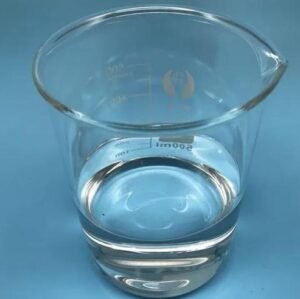
Light yellow to colorless clear liquid
|
|
Specific Gravity at 20°C, g/cm3
|
0.960 – 0.980
|
|
Purity, %
|
97.0% min
|
|
Refractive Index at 25°C
|
1.444 – 1.456
|
|
Colour, Pt-Co
|
Max 25
|
Package:
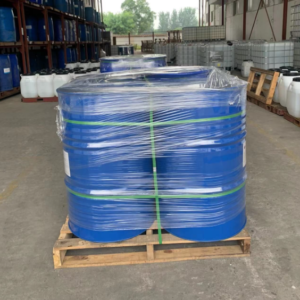
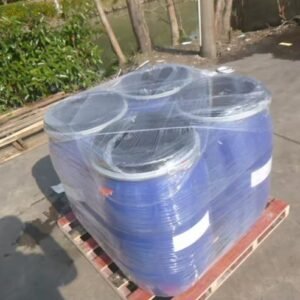
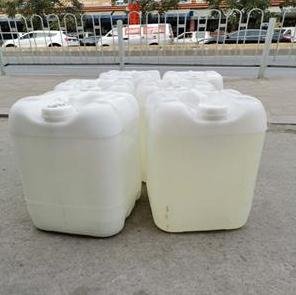
1kg / 200kg bucket
Palletized Shipping
Lead Time: 1-7 Days
Shipping Methods: Sea/Air/Express delivery