Address
Room 2301C, 23rd Floor, Building 1, jinghu Commercial center, No, 34, Liangzhuang Street, Eri District, Zhengzhou City, Henan province
Work Hours
Monday to Friday: 7AM - 7PM
Weekend: 10AM - 5PM
Address
Room 2301C, 23rd Floor, Building 1, jinghu Commercial center, No, 34, Liangzhuang Street, Eri District, Zhengzhou City, Henan province
Work Hours
Monday to Friday: 7AM - 7PM
Weekend: 10AM - 5PM

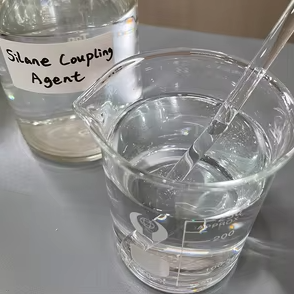
3-Aminopropyltrimethoxysilane—also known as γ-aminopropyltrimethoxysilane—is a vital organosilane coupling agent. Its molecular structure simultaneously incorporates a hydrolyzable trimethoxysilane group and a lipophilic amino group; this unique “amphoteric” architecture enables it to act as a “molecular bridge,” effectively bonding inorganic materials (such as glass and metal oxides) with organic polymeric materials (such as resins and rubbers).
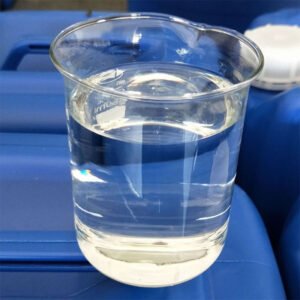
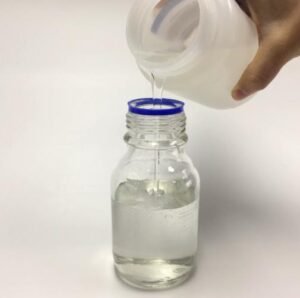
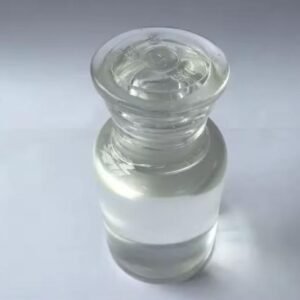
At room temperature, this compound presents as a colorless, transparent liquid with an ammoniacal odor. It is readily soluble in organic solvents and undergoes rapid hydrolysis and condensation reactions upon contact with water, yielding polysiloxanes. 3-Aminopropyltrimethoxysilane finds extensive application in fields such as composite materials, biosensors, coatings, and adhesives. In the realm of composite materials, it significantly enhances mechanical strength, water resistance, and electrical properties; within the biomedical sector, it is frequently employed for the amino-functionalization of inorganic carrier surfaces, facilitating the immobilization of enzymes or the modification of biomolecules.
Comparable Products:
Dow Corning Z-6610
Evonik: AMMO
Shinetsu: KBM-903
Momen-tive:A-1110
In composite materials such as fiberglass-reinforced plastics (FRP) and mineral-filled plastics, 3-aminopropyltrimethoxysilane serves as a coupling agent. It significantly enhances the material’s flexural strength, compressive strength, shear strength, and electrical properties under wet conditions. Its efficacy is particularly pronounced when used with thermosetting resins such as epoxies, phenolics, and polyamides. Furthermore, in the coatings and adhesives industries, it functions as an adhesion promoter; it improves the adhesion of coatings to substrates—such as metals (e.g., aluminum and iron) and glass—thereby preventing coating delamination and blistering, while simultaneously enhancing the dispersibility of pigments within the resin matrix.
This compound is a commonly utilized surface modification reagent in the field of bionanotechnology. By depositing an aminosilane layer onto surfaces—such as gold electrodes, silica nanoparticles, or glass—reactive amino groups can be introduced. These groups then facilitate the immobilization of biomolecules—such as antibodies, enzymes, or DNA—via chemical coupling. This characteristic renders it widely applicable in the fabrication of biosensors, biochips, and immobilized enzyme carriers—for instance, in fluorescent biosensors designed to detect alkaline phosphatase activity, or in immobilized lipase carriers utilized for biodiesel production.
Additionally, 3-aminopropyltrimethoxysilane finds extensive application in resin-bonded sand casting, where it serves to enhance the adhesion between the resin binder and silica sand, thereby improving the strength and moisture resistance of the molding sand. Concurrently, it serves as a key raw material in the synthesis of amino-modified silicone oils and their emulsions, which are widely employed as textile softeners to improve the tactile feel and performance characteristics of fabrics.
Technical Specifications:
|
Refractive Index (n25D)
|
1.4260±0.0050
|
|
Appearance
|
Colorless transparent liquid
|
|
Density(ρ20, g/cm3)
|
1.1060±0.0050
|
|
Purity
|
97%
|
Package:
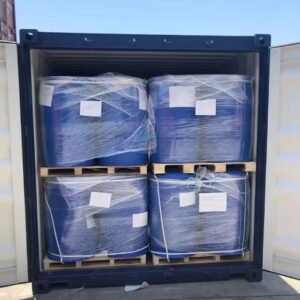
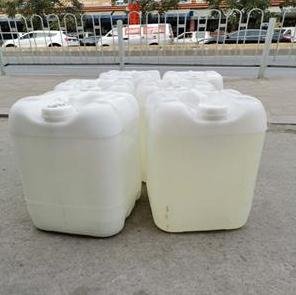
1kg / 200kg bucket
Palletized Shipping
Lead Time: 1-7 Days
Shipping Methods: Sea/Air/Express delivery