Address
Room 2301C, 23rd Floor, Building 1, jinghu Commercial center, No, 34, Liangzhuang Street, Eri District, Zhengzhou City, Henan province
Work Hours
Monday to Friday: 7AM - 7PM
Weekend: 10AM - 5PM
Address
Room 2301C, 23rd Floor, Building 1, jinghu Commercial center, No, 34, Liangzhuang Street, Eri District, Zhengzhou City, Henan province
Work Hours
Monday to Friday: 7AM - 7PM
Weekend: 10AM - 5PM

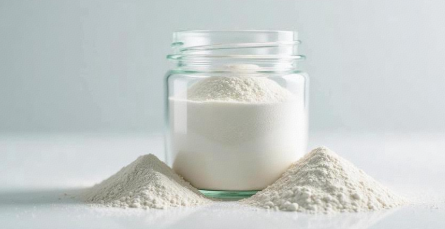
Paint is both a multiphase system and a coarse dispersion system. Pigments and fillers will precipitate under the action of gravity. The use of anti-settling agents can effectively delay precipitation, or even if precipitation occurs, it will be loose and easy to redisperse.
At present, the varieties of anti-settling agents are quite complete. According to the anti-settling mechanism, they can be divided into thixotropic anti-settling agents and other types of anti-settling agents. So, how should we choose anti-settling agents?
1.Organic modified bentonite
In coatings, organic bentonite is generally used as an anti-settling agent and thickener. Its mechanism of action is to modify the rheological properties of the system, making it thixotropic, thereby preventing the settling of pigments and fillers.
Currently, organic bentonite is widely used, and different modified bentonites have different polarities. For coating systems of varying polarity, an organic bentonite with the appropriate polarity should be selected.
However, due to the dark color, poor transparency, and easy brush marks of organic modified bentonite, and when the amount of solvent is increased, the solid content of the paint liquid is difficult to guarantee, so there are certain limitations in its application.
2.Castor oil derivatives
Castor oil derivatives are commonly used rheological additives in a wide range of coatings (especially valuable in thick build coatings). They impart thixotropic structure, improve pigment suspension, control sagging without sacrificing flow and leveling, and control permeability into porous materials. They are generally non-reactive with other coating components. In organic systems, they do not affect water resistance or coating durability, do not cause yellowing in the coating film, and impart storage stability.
3.Fumed silica
Fumed silica is an ideal anti-settling agent, highly effective in preventing pigment precipitation in coating systems. It also greatly benefits paint storage, ensuring dispersion without settling. Fumed silica needs to be pre-dispersed before adding to the finished paint. To improve dispersion quality, a high-speed disperser or three-roller dispersing machine is typically used. Inadequate dispersion can result in particle formation in the paint film, affecting gloss.
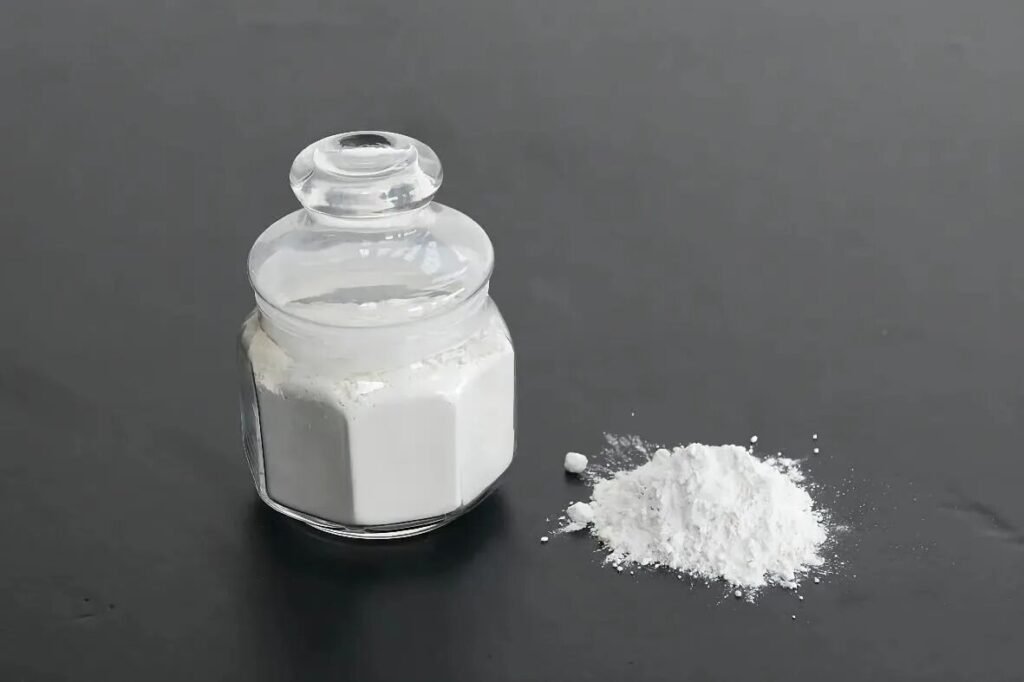
4.Polyolefin microparticles
Polyolefin microparticles can be used as rheological additives in coatings, providing anti-settling and anti-sagging properties, particularly effective in preventing baking sag.
Polyolefin microparticles provide excellent pigment suspension without significant thickening. When diluted to spray viscosity, they maintain pigment suspension within the system, improving leveling, preventing agglomeration in dip tanks, spray cans, and storage containers, and preventing stringing during spraying.
They prevent sag during baking, enhance pigment wetting, and help maintain viscosity stability during storage. When used in glitter paints, they also provide excellent metal flake orientation and enhance impact resistance.
5.Thixotropic resin
Polyamide- or polyurethane-modified alkyd resins can also be used as anti-settling agents.
Alkyd resins can be used in both basecoats and clearcoats, but their use should be limited in short-oil alkyd systems and systems containing polar solvents.
Thixotropic resins are widely used in medium- and low-PVC solvent-based architectural coatings, but excessive use can lead to a loss of gloss and yellowing.
6.Modified polyurea thickener
The thickening and anti-settling mechanism of modified polyurea thickeners is a combination of hydrogen bonding and end group association.
Based on polarity, they can be divided into low-polarity, medium-polarity, and high-polarity polyurea thickeners.