Address
Room 2301C, 23rd Floor, Building 1, jinghu Commercial center, No, 34, Liangzhuang Street, Eri District, Zhengzhou City, Henan province
Work Hours
Monday to Friday: 7AM - 7PM
Weekend: 10AM - 5PM
Address
Room 2301C, 23rd Floor, Building 1, jinghu Commercial center, No, 34, Liangzhuang Street, Eri District, Zhengzhou City, Henan province
Work Hours
Monday to Friday: 7AM - 7PM
Weekend: 10AM - 5PM

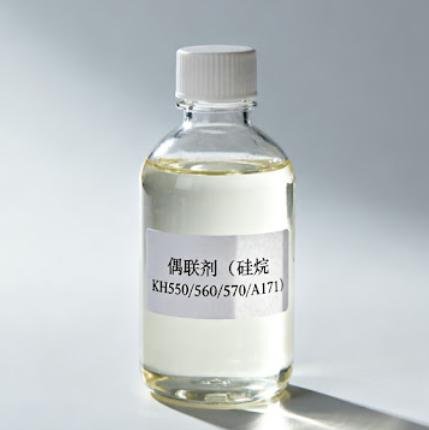
In the field of electrolytic copper foil, coupling agents play a critical role in determining the foil’s peel strength. Commonly used coupling agents include KH-550, KH-560, KH-570, and KH-792; each of these agents is distinct, differing specifically in their functional groups. The following section provides a detailed elaboration on this subject.
I. Amino-functional Silane Coupling Agents
Type 1: γ-Aminopropyltriethoxysilane (KH-550) — Dow Corning: Z-6011; Shin-Etsu (Japan): KBM-903.
Chemical Formula: C9H23NO3Si | Properties: Exhibits high amino reactivity; Molecular Weight: 221.37; Boiling Point: 217°C; Refractive Index: 1.420
Characteristics: Exhibits high amino reactivity; Molecular Weight: 221.37; Boiling Point: 217°C; Refractive Index: 1.420
Advantages: Possesses high amino reactivity and excellent compatibility with a wide range of resins; enhances interfacial bonding between inorganic fillers and organic resins; improves the mechanical strength and water resistance of composite materials; benefits from a mature manufacturing process and low cost; enjoys broad application across various fields.
Disadvantages: The amino group is prone to oxidation; storage stability is moderate; sensitive to humidity and requires sealed storage; may influence the curing rate of certain systems; requires strict control regarding dosage levels.
Applications: Fiberglass reinforcement materials, rubber industry, adhesives, coatings industry, composite manufacturing
Recommended Formulation: KH-550 15–25%, Anhydrous Ethanol 40–50%, Deionized Water 20–30%, Acetic Acid (pH Adjuster) 1–3%
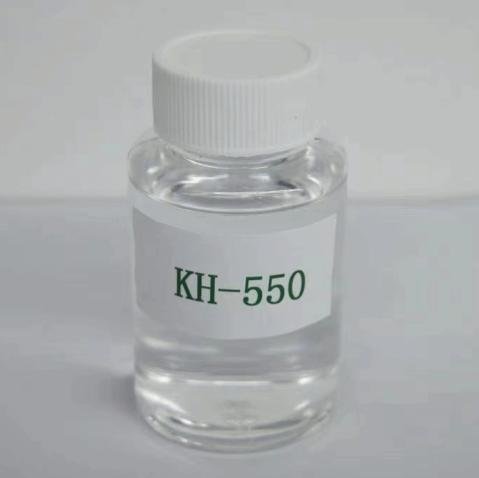
Type 2: N-β-Aminoethyl-γ-aminopropyltrimethoxysilane (KH-792) — Dow Corning: Z-6020; Shin-Etsu (Japan): KBM-603.
Chemical Formula: C8H22N2O3Si
Characteristics: Features a diamino structure; Molecular Weight: 222.36; Boiling Point: 259°C; Refractive Index: 1.448.
Advantages: Possesses a diamino structure, exhibiting high reactivity, strong adhesion, and significant interfacial modification effects. It is suitable for use in a wide variety of resin systems, offers good water resistance, and demonstrates stable performance.
Disadvantages: Relatively high cost; the diamino structure may lead to excessive cross-linking; has a relatively short shelf life and requires low-temperature storage; demands strict process control during application.
Applications: Reinforcement and modification of engineering plastics, such as epoxy resins, phenolic resins, nylon, and polycarbonate.
Recommended Formulation: KH-792: 20–30%; Isopropyl Alcohol: 35–45%; Deionized Water: 20–25%; pH Adjuster: 2–5%.
II. Epoxy-based Silane Coupling Agents
Type 1: γ-Glycidoxypropyltrimethoxysilane (KH-560). Dow Corning: Z-6011, Z-6040; Shin-Etsu (Japan): KBM-403.
Chemical Formula: C9H20O5Si
Characteristics: Moderate epoxy group reactivity; Molecular Weight: 236.34; Boiling Point: 290°C; Refractive Index: 1.427.
Advantages: Moderate epoxy group reactivity; excellent compatibility with a wide range of resins; enhances mechanical strength and water resistance; offers process stability; widely applicable.
Disadvantages: Epoxy ring-opening requires specific reaction conditions; cost is moderately high; limited shelf life; sensitive to moisture.
Applications: Epoxy resin composites, Fiberglass Reinforced Plastics (FRP), adhesives, electronic encapsulation.
Recommended Formulation: KH-560 20–30%, Methanol/Ethanol 35–45%, Deionized Water 20–30%, pH Adjuster 1–3%.
III. Vinyl Silane Coupling Agents
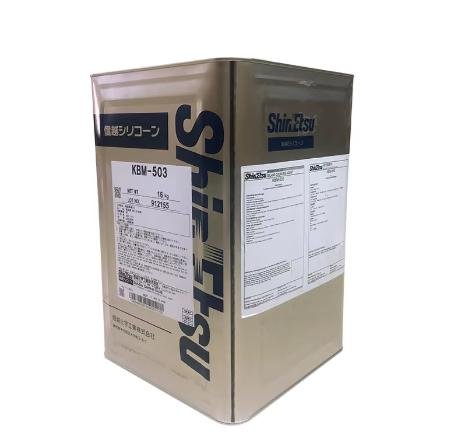
Type 1: Methacryloxypropyltrimethoxysilane (KH-570) — Dow Corning: Z-603; Shin-Etsu (Japan): KBM-503.
Chemical Formula: C10H20O5Si
Characteristics: High reactivity of the methacryloyl group; Molecular Weight: 248.36; Boiling Point: 255°C; Refractive Index: 1.429.
Advantages: High methacryloyl reactivity; excellent compatibility with acrylic resins; improves filler dispersion; good weather resistance.
Disadvantages: Generates methanol; moderate cost; average stability; limited shelf life.
Applications: Acrylic coatings, fiberglass-reinforced plastics (FRP), composite materials.
Recommended Formulation: KH-570 18–28%; Methanol/Ethanol Mixture 35–45%; Deionized Water 20–30%; Stabilizer 1–3%.
IV. Sulfur-based Silane Coupling Agents
Type 1: γ-Mercaptopropyltrimethoxysilane (KH-590)-Momentive A189
Chemical Formula: C6H16O3SSi
Characteristics: Exhibits high mercapto group reactivity; Molecular Weight: 196.35; Boiling Point: 210°C; Refractive Index: 1.440
Advantages: The mercapto group demonstrates excellent compatibility with rubber; enhances the bonding between rubber and inorganic fillers; improves the mechanical properties of rubber; offers good aging resistance.
Disadvantages: The mercapto group possesses an unpleasant odor; prone to oxidation; presents storage challenges; moderate cost; requires strict control regarding dosage.
Applications: Rubber industry, tires, rubber products.
Recommended Formulation: KH-590 15–25%, Methanol 35–45%, Deionized Water 20–30%, Antioxidant 1–3%.
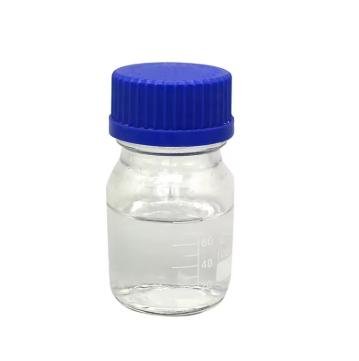
We supply coupling agents such as KH-550, KH-560, KH-570, and KH-792, as well as other similar products; we also offer comprehensive solutions.
If you are looking to reduce costs and require high-quality coupling agents manufactured in China—specifically alternative products of equivalent quality—please do not hesitate to contact me. I would be happy to provide you with the relevant technical specifications.