Address
Room 2301C, 23rd Floor, Building 1, jinghu Commercial center, No, 34, Liangzhuang Street, Eri District, Zhengzhou City, Henan province
Work Hours
Monday to Friday: 7AM - 7PM
Weekend: 10AM - 5PM
Address
Room 2301C, 23rd Floor, Building 1, jinghu Commercial center, No, 34, Liangzhuang Street, Eri District, Zhengzhou City, Henan province
Work Hours
Monday to Friday: 7AM - 7PM
Weekend: 10AM - 5PM

I. Define Battery Requirements
1.Battery Type Matching
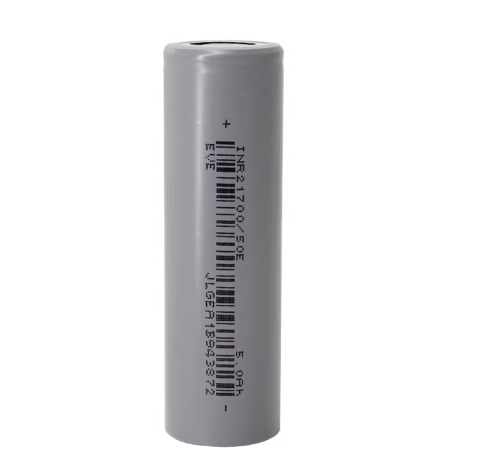
Lithium Iron Phosphate (LFP) Systems: Prioritize the use of Vinylene Carbonate (VC, 3–5%) in combination with 1,3-Propane Sultone (PS, 1–2%) to optimize the SEI film, thereby balancing both cycle life and impedance control.
High-Nickel Ternary Systems: Employ Fluoroethylene Carbonate (FEC, 5–7%) to enhance high- voltage stability, and incorporate Ethylene Sulfate (DTD, 0.5–3%) to suppress side reactions occurring under high-voltage conditions.
Silicon-based Anode Systems: Increase the dosage of FEC (≥8%) to mitigate the volume expansion of silicon, while simultaneously introducing LiPO₂F₂ to suppress the generation of HF.
2.Application Scenario Adaptation
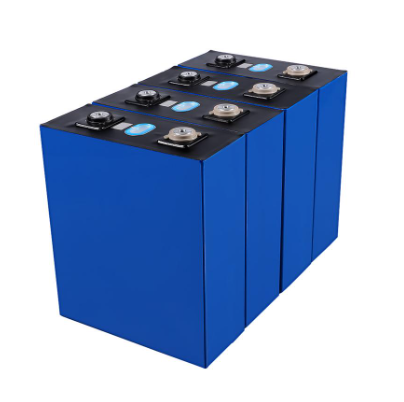
Power Batteries: A combination of an overcharge protection agent (e.g., biphenyl) and a flame retardant (TMP, 2–5%) ensures safety, though the associated increase in internal resistance must be carefully balanced.
Low-Temperature Batteries: The synergistic use of FEC (5–9%) and cyclic carbonates (PC) extends the operating temperature range down to -40°C.
Energy Storage Batteries: Primarily based on VC (4–6%), with a small addition of DTD (0.5–1%) to extend cycle life.
II. Guidelines for Selecting Core Additives
| Functional Requirements | Recommended Additive Combination | Key Technical Points |
|---|---|---|
| SEI Optimization | VC(3%-5%)+ PS(1%-2%) | For LFP systems—where it is a standard requirement—high-temperature impedance associated with VC must be controlled; for ternary systems, the VC content needs to be reduced to 1–2%. |
| High-Voltage Adaptation | FEC(5%-7%)+ DTD(0.5%-3%) | Compatible with systems operating at 4.5 V and above; DTD inhibits the oxidative decomposition of the cathode. |
| Enhanced Security | Biphenyl (0.5%–1%) + TMP (2%–5%) | Biphenyl concentrations exceeding 2% are prone to inducing gas generation; therefore, an acid scavenger (such as HMDS) must be used in conjunction. |
| Conductivity Improvement | LiBOB(5%-7%)+ LiFSI(5%-7%) | For high-nickel ternary batteries—the preferred choice—LiFSI must be used in conjunction with thermal stabilizers. |
III. Synergistic Effects and Dosage Control
Cathode-Anode Synergy: Cathode additives (such as DTD) must be compatible with anode film-forming agents (VC/FEC) to prevent interfacial reaction imbalances.
Concentration Threshold Management: Adding VC in amounts exceeding 5% results in an excessively thick SEI film and a sharp increase in impedance; FEC concentrations above 9% are prone to triggering HF-induced corrosion.
Composite System Design: High Voltage & Long Cycle Life: The combination of FEC, DTD, and LiPO₂F₂ enables long cycle life with high capacity retention.
IV. Cost and Process Considerations
Cost-Effectiveness Priority: DTD (current cost ≥ 300,000 RMB/ton) can be partially replaced by novel borate ester additives (resulting in a 40% cost reduction).
Process Compatibility: Hydrolysis-prone substances, such as PS and HMDS, must be added within a dry room environment (dew point ≤ -40°C).
V. Technological Trends and Risk Mitigation
Development of Novel Additives: Compounds containing silicon and/or boron functional groups (e.g., M001) have entered the industrial validation phase, exhibiting multifunctional characteristics.
Avoidance of Formulation Pitfalls: Strategies are employed to prevent the use of additives exceeding established thresholds (e.g., VC > 5%) and to avoid data distortion caused by the failure to specify environmental parameters (such as temperature and humidity).
Through comprehensive, end-to-end parameter matching—balancing system characteristics, additive functionality, and cost constraints—the optimal configuration of electrolyte additives can be successfully achieved.