Address
Room 2301C, 23rd Floor, Building 1, jinghu Commercial center, No, 34, Liangzhuang Street, Eri District, Zhengzhou City, Henan province
Work Hours
Monday to Friday: 7AM - 7PM
Weekend: 10AM - 5PM
Address
Room 2301C, 23rd Floor, Building 1, jinghu Commercial center, No, 34, Liangzhuang Street, Eri District, Zhengzhou City, Henan province
Work Hours
Monday to Friday: 7AM - 7PM
Weekend: 10AM - 5PM

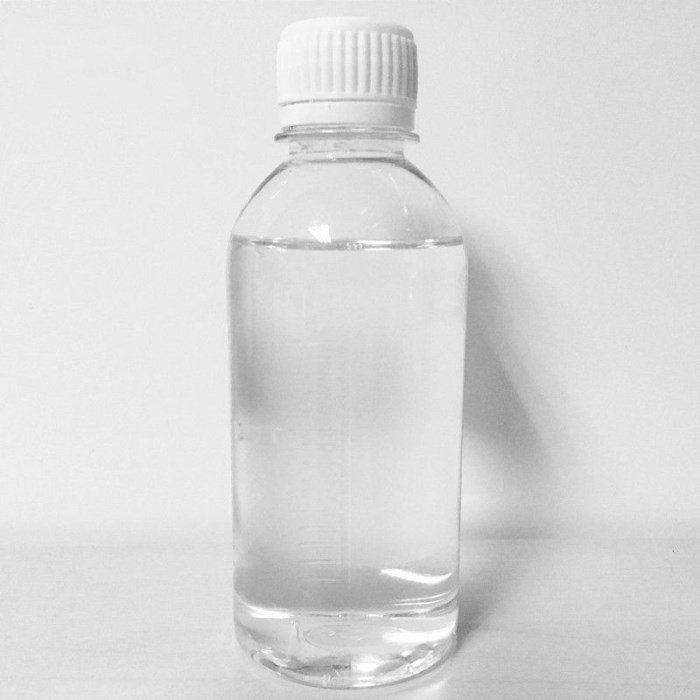
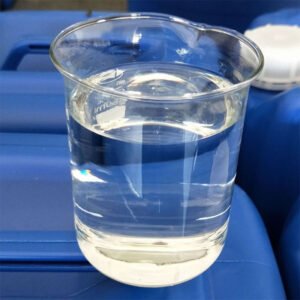
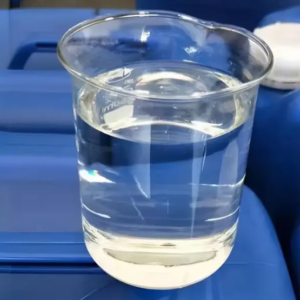
3-Glycidoxypropyltriethoxysilane is an organosilicon compound containing epoxy and triethoxysilyl groups. It is a colorless to pale yellow transparent liquid at room temperature, readily soluble in organic solvents, and undergoes hydrolysis in water to form silanols. As an important silane coupling agent, it is widely used in composite materials, coatings, adhesives, and other fields, significantly improving the interfacial bonding, water resistance, and mechanical strength between organic and inorganic materials.
Comparable Products:
Dow Corning Z-6041
Evonik: GLYEO
Shinetsu: KBE-403
Momen-tive:A-1871
Preparation method
Industrially, 3-glycidyl etheroxypropyltriethoxysilane is typically synthesized via hydrosilylation. This method uses allyl glycidyl ether and triethoxysilane as raw materials, and the addition reaction occurs in the presence of a platinum-based catalyst (such as chloroplatinic acid or platinum black). The reaction equation is as follows:
CH2=CHCH2OCH2CH=CH2 + HSi(OC2H5)3 –Pt–> CH2CH(CH2OCH2CH=CH2)Si(OC2H5)3
This method boasts advantages such as high reaction efficiency, good selectivity, and few byproducts, making it the mainstream synthesis process currently available. In industrial production, it is typically carried out in a reactor equipped with a stirrer, reflux condenser, and thermometer. Allyl glycidyl ether and solvent are added to the reactor, heated to the reaction temperature, and then triethoxysilane is added dropwise, along with a catalyst solution. Strict temperature and dropping rate control are crucial during the reaction to prevent rapid polymerization and side reactions. After the reaction, high-purity product is obtained through filtration, distillation, and purification.
This coupling agent is widely used in glass fiber reinforced composites (FRP), carbon fiber composites, and mineral-filled plastics. It significantly improves the tensile strength, flexural strength, interlaminar shear strength, and mechanical and electrical properties of composites in a wet state. For example, in epoxy resin-based composites, it effectively improves the interfacial bonding between glass fibers and resin, preventing water and moisture penetration and thus delaying material aging.
In the coatings and adhesives industry, 3-glycidyl etheroxypropyltriethoxysilane, as an adhesion promoter and crosslinking agent, significantly improves the adhesion and corrosion resistance of coatings to inorganic substrates such as metals, glass, and concrete. It is particularly suitable for water-based coatings and sealants, improving their storage stability and water resistance.
It is often used for surface modification of inorganic fillers (such as silica, talc, and glass microspheres). The treated fillers exhibit better dispersibility in organic resins, allowing for increased filler loading and significantly improving the mechanical strength and processing performance of the filled system.<sup>3</sup> Furthermore, it can be used in textile anti-drying finishing agents and oil- and corrosion-resistant coatings for high-pressure oil pipes.
Technical Specifications:
| Item No. | Specification | Result |
| Appearance | Colorless clear liquid | Colorless clear liquid |
| Purity | ≥97.0% | 97.18% |
| Density (ρ20) g/cm³ | 1.000-1.100 | 1.004 |
| PH | 6-7 | 6 |
Package:
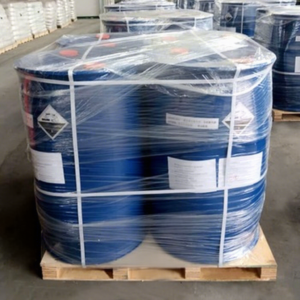
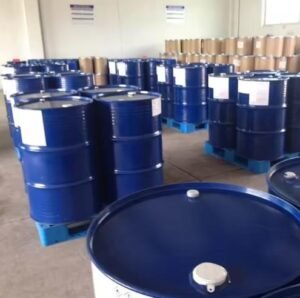
1Kg / 200Kg Bucket
Palletized Shipping
Lead Time: 1-7 Days
Shipping Methods: Sea/Air/Express delivery