Address
Room 2301C, 23rd Floor, Building 1, jinghu Commercial center, No, 34, Liangzhuang Street, Eri District, Zhengzhou City, Henan province
Work Hours
Monday to Friday: 7AM - 7PM
Weekend: 10AM - 5PM
Address
Room 2301C, 23rd Floor, Building 1, jinghu Commercial center, No, 34, Liangzhuang Street, Eri District, Zhengzhou City, Henan province
Work Hours
Monday to Friday: 7AM - 7PM
Weekend: 10AM - 5PM

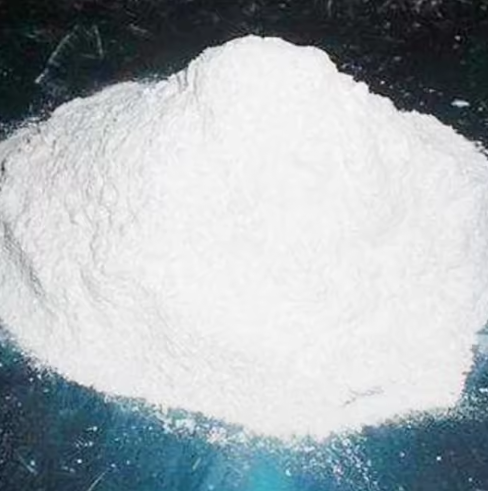
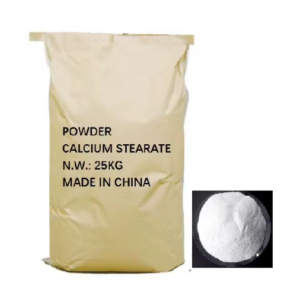
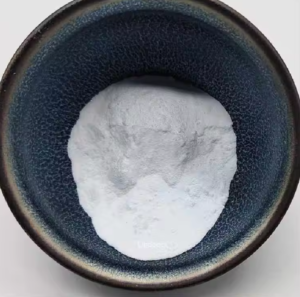
Calcium stearate is a common organic calcium salt compound that typically appears as a fine white powder. An important member of the stearate family, it is insoluble in water yet soluble in organic solvents, and is frequently employed as a multifunctional industrial additive. In industrial production, calcium stearate serves a variety of roles, including those of a lubricant, heat stabilizer, mold release agent, and waterproofing agent.
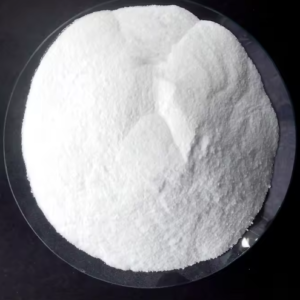
In the processing of Polyvinyl Chloride (PVC), it serves a dual role: acting as a heat stabilizer that absorbs the HCl generated during PVC degradation—thereby delaying material yellowing and embrittlement—and functioning as a lubricant that reduces melt viscosity and improves processing flowability.
In rubber processing, calcium stearate is primarily utilized as a plasticizer and softener. It softens both natural and synthetic rubbers, thereby enhancing their processing characteristics and facilitating easier molding. Furthermore, it functions as a mold release agent and a vulcanization activator, contributing to increased production efficiency for rubber products, preventing adhesion to molds, and improving the physical properties of the finished goods.
In the coatings industry, it serves as a matting agent and water-repellent additive, improving both the surface gloss and water resistance of coatings. In the paper industry, it acts as a lubricant within paper coating layers, enhancing the paper’s smoothness and printability.
Food-grade calcium stearate complies with relevant food safety standards and is employed as an anti-caking agent to prevent powdered food products from clumping, thereby maintaining their free-flowing consistency.
In the pharmaceutical industry, it is utilized as a mold release agent and lubricant in tablet manufacturing, facilitating the molding and packaging of medicinal products.
Additionally, it finds application as a lubricant in the manufacture of pencil leads, as a lubricant for phenolic resins, and as a waterproofing agent for textiles, among other uses.
Package:
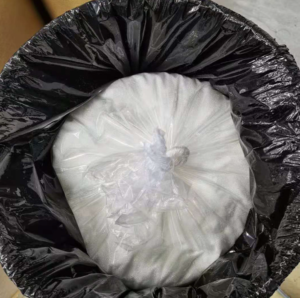
1kg/20kg Bag
Palletized Shipping
Lead Time: 1-7 Days
Shipping Methods: Sea/Air/Express delivery