Address
Room 2301C, 23rd Floor, Building 1, jinghu Commercial center, No, 34, Liangzhuang Street, Eri District, Zhengzhou City, Henan province
Work Hours
Monday to Friday: 7AM - 7PM
Weekend: 10AM - 5PM
Address
Room 2301C, 23rd Floor, Building 1, jinghu Commercial center, No, 34, Liangzhuang Street, Eri District, Zhengzhou City, Henan province
Work Hours
Monday to Friday: 7AM - 7PM
Weekend: 10AM - 5PM

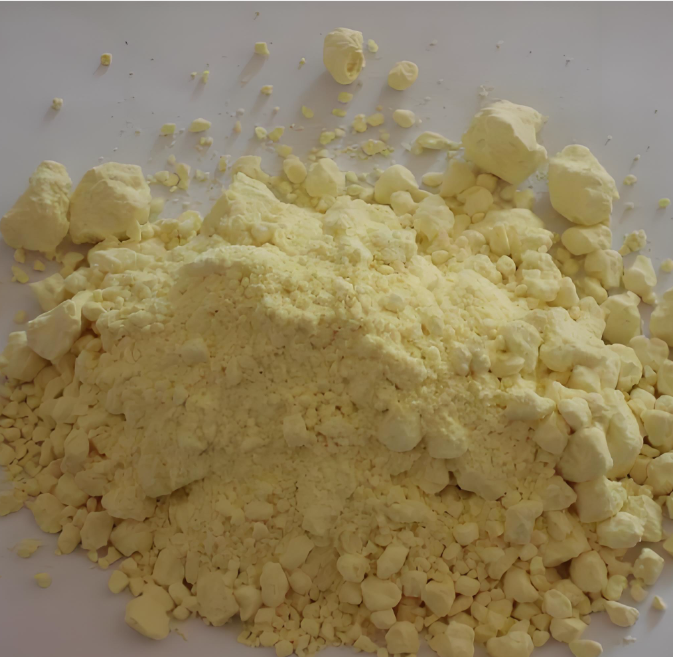
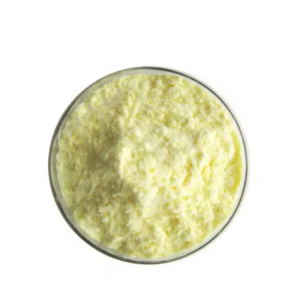
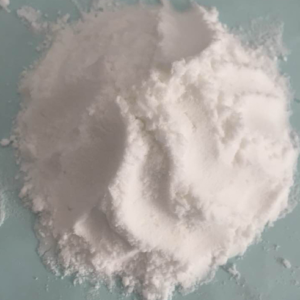
Cerium oxide (CeO₂), an important rare-earth metal oxide, typically appears as a white or pale yellow powder. As the most stable oxide of cerium, it possesses a unique fluorit-type crystal structure and exhibits excellent redox properties and oxygen storage capacity, driven by the reversible transition of cerium ions between the +3 and +4 oxidation states. These characteristics make it highly valuable across fields such as catalysis, energy, and environmental protection; notably, it plays a critical role in automotive exhaust purification (three-way catalysts) and as an electrolyte in solid oxide fuel cells. Additionally, cerium oxide is widely used in glass polishing and decolorization, as well as in the emerging fields of biomedicine and lithium-sulfur batteries.
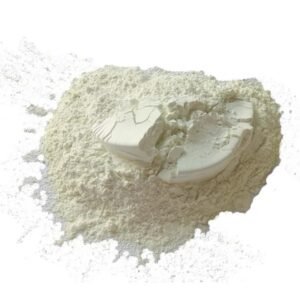
Cerium oxide is a key component of three-way catalysts (TWCs) for automotive exhaust systems. It utilizes its oxygen storage capacity to regulate oxygen concentration on the catalyst surface under both lean-burn and rich-burn conditions, thereby facilitating the conversion of carbon monoxide (CO), hydrocarbons (HC), and nitrogen oxides (NOx). Furthermore, cerium oxide enhances the dispersion and thermal stability of precious metals (such as platinum and rhodium), extending the catalyst’s service life.
In solid oxide fuel cells (SOFCs), cerium oxide-based materials (such as doped ceria) are frequently employed as electrolytes. Due to its high oxygen-ion conductivity—particularly at intermediate temperatures (500–800°C)—cerium oxide enables lower operating temperatures while improving energy conversion efficiency and cell longevity.
In the glass industry, cerium oxide serves as a polishing agent, a decolorizer, and a UV absorber. As a polishing agent, it is characterized by rapid polishing rates and the ability to achieve high-quality surface finishes, making it widely used for optical glass and liquid crystal display (LCD) screens. As a decolorizer, it oxidizes ferrous ions (Fe²⁺) in the glass, thereby eliminating unwanted green tints. Additionally, cerium oxide absorbs ultraviolet radiation, offering protection for eyes and skin.
In recent years, cerium oxide has also demonstrated immense potential in emerging fields. In lithium-sulfur batteries, it can function as a cathode host material or a separator modification material; it effectively adsorbs polysulfides, suppresses the “shuttle effect,” and enhances cycling stability. In the biomedical sector, cerium oxide nanoparticles are utilized in drug delivery systems, biosensors, and disease therapies, owing to their antioxidant, anti-inflammatory, and radioprotective properties.
Technical Specifications:
| Item name | Cerium Dioxide Nanopowder |
| MF | CeO2 |
| Purity(%) | 99.9% |
| Apperance | Yellowish Powder |
| Particle size | 10nm, 30-60nm |
| Packaging | Double anti-static bag |
| Grade Standard | Industrial Grade |
Package:
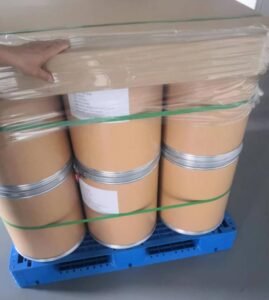
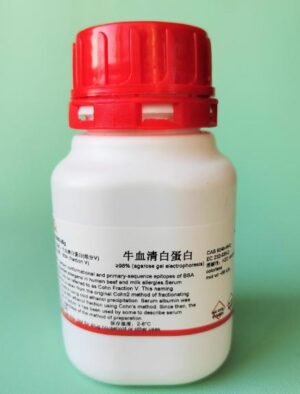
1kg / 20kg Bucket
Palletized Shipping
Lead Time: 1-7 Days
Shipping Methods: Sea/Air/Express delivery