1. Purpose of Polishing
As electrochemical redox reactions are repeated, the products of the experiment adhere to the electrode surface, gradually slowing electron transfer. This slowed electron transfer widens the potential difference between the oxidation and reduction peaks. Polishing restores the electrode’s surface condition, increasing the electron transfer rate again. Consequently, the potential difference between the oxidation and reduction peaks narrows, returning to an ideal state. The purpose of polishing is to remove adsorbed redox products from the working electrode surface.
2. Polishing Procedure
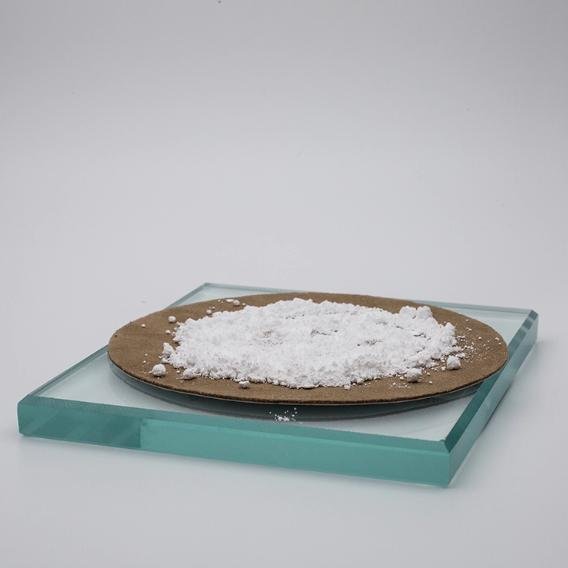
Prepare a glass plate. Place a polishing cloth on the glass plate and apply a few drops of polishing solution to the cloth. Place the working electrode vertically on the polishing cloth and polish in an ‘o’ or ‘8’ pattern. Rinse the electrode surface with distilled water.
Note: 0.3 micron and 0.05 micron alumina polishing solutions can be used. Polish from coarse to fine.
The above method can be used to polish working electrodes such as glassy carbon, gold, platinum, and silver.