Address
Room 2301C, 23rd Floor, Building 1, jinghu Commercial center, No, 34, Liangzhuang Street, Eri District, Zhengzhou City, Henan province
Work Hours
Monday to Friday: 7AM - 7PM
Weekend: 10AM - 5PM
Address
Room 2301C, 23rd Floor, Building 1, jinghu Commercial center, No, 34, Liangzhuang Street, Eri District, Zhengzhou City, Henan province
Work Hours
Monday to Friday: 7AM - 7PM
Weekend: 10AM - 5PM

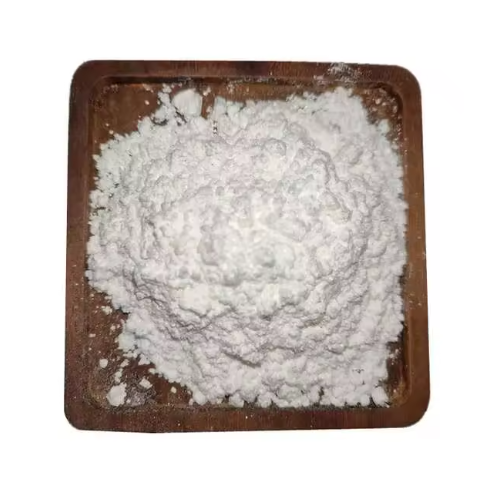
tert-Butyldimethylchlorosilane (abbreviated as TBDMSCl or TBSCl) is an organosilicon compound. As a sterically hindered silylating reagent, it plays a crucial role in organic synthesis, primarily serving to protect hydroxyl groups (-OH) in organic compounds.
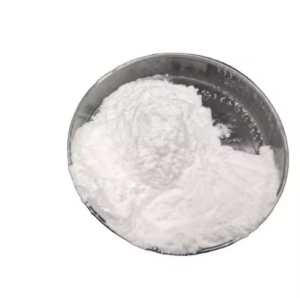
In organic synthesis, the hydroxyl group of an alcohol often requires temporary protection to prevent its degradation during subsequent reactions, such as oxidation or halogenation. TBDMSCl reacts with alcohols to convert the reactive hydroxyl group into a stable *tert*-butyldimethylsilyl ether (TBDMS-OR).
It is also widely employed in the synthetic processes for prostaglandins, antibiotics, vitamins, and anticancer drugs (such as Taxol) to control reaction reactivity and stereochemical configuration.
Regioselectivity: A significant advantage of TBDMSCl is its excellent regioselectivity. Due to steric hindrance effects, it typically reacts preferentially with primary alcohol hydroxyl groups, which exhibit less steric bulk.
|
Drying loss
|
≤2.0%
|
0.19%
|
||
|
heavy metals
|
≤ 10 ppm
|
<10ppm
|
||
|
Water
|
≤1.0%
|
0.1%
|
||
|
Sulfate ash
|
≤ 0.5% determined on 1.0g.
|
0.009%
|
||
|
Residue from ignition
|
≤0.1%
|
0.03%
|
||
|
Related substances
|
Unspecified Impurities: For each impurity
|
≤0.10%
|
<0.10%
|
|
|
Total impurities
|
≤0.5%
|
0.18%
|
||
|
Purity
|
≥99.0%
|
99.7%
|
||
|
Laboratory tests
|
99.0% ~ 101.0% (anhydrous).
|
99.8%
|
||
|
storage
|
Store in an airtight, light-resistant, airtight container.
|
Complies
|
||
Package:
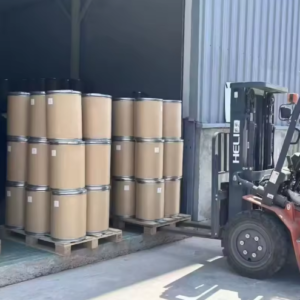
1kg /25kg Bucket
Palletized Shipping
Lead Time: 1-7 Days
Shipping Methods: Sea/Air/Express delivery