Address
Room 2301C, 23rd Floor, Building 1, jinghu Commercial center, No, 34, Liangzhuang Street, Eri District, Zhengzhou City, Henan province
Work Hours
Monday to Friday: 7AM - 7PM
Weekend: 10AM - 5PM
Address
Room 2301C, 23rd Floor, Building 1, jinghu Commercial center, No, 34, Liangzhuang Street, Eri District, Zhengzhou City, Henan province
Work Hours
Monday to Friday: 7AM - 7PM
Weekend: 10AM - 5PM

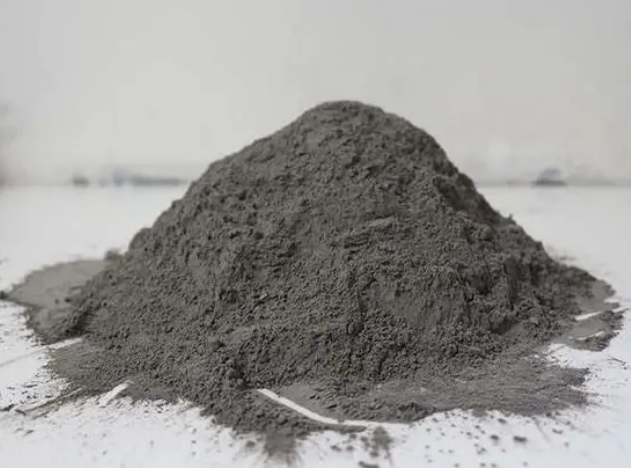
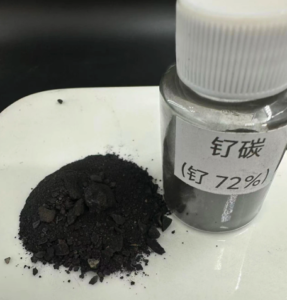
Ruthenium is a hard, brittle, and rare metallic element with a silvery-white to light-gray appearance; it belongs to Group 8 of the transition metals in the periodic table. As a key member of the platinum group metals, ruthenium is extremely scarce in the Earth’s crust, occurring at an abundance of only about one part per billion. It possesses an exceptionally high melting point, excellent stability at elevated temperatures, and extraordinary corrosion resistance—capable of withstanding even the corrosive effects of aqua regia at room temperature.
In the field of organic synthesis, ruthenium complexes (such as ruthenium phosphine complexes) exhibit exceptionally high catalytic activity and selectivity in reactions such as olefin metathesis, hydrogenation, oxidation, and carbonylation; consequently, they are widely utilized in the fine chemical and pharmaceutical industries. Furthermore, supported ruthenium catalysts are employed in crude oil hydrotreating, where they effectively remove sulfur and nitrogen impurities, thereby enhancing the quality of refined petroleum products.
In the electronics industry, ruthenium dioxide (RuO₂) serves as a critical material in the fabrication of thick-film resistors. Due to its low resistivity, low temperature coefficient of resistance, and excellent stability, it is extensively used in hybrid integrated circuits and precision resistor networks.
In the medical sector, ruthenium complexes have garnered significant attention within the realm of anticancer drug research. Certain ruthenium complexes—such as NAMI-A and KP1019—possess unique antitumor activity coupled with low toxicity; these compounds have advanced to the clinical trial stage for the treatment of malignant tumors, including lung cancer and colon cancer.
In the aerospace industry, ruthenium and its alloys are prized for their exceptionally high melting points and corrosion resistance. They are utilized in the manufacture of high-temperature components for aircraft engines—such as turbine blades and combustion chambers—as well as for the exterior casing materials of satellites and spacecraft.
In the domain of energy conversion, ruthenium-based catalysts play a pivotal role in water electrolysis for hydrogen production and in fuel cells, contributing significantly to the enhancement of energy conversion efficiency.
Technical Specifications:
|
Type
|
Adsorbent pressure
|
Nitrogen purity
|
Nitrogen quantity
|
N2/Air
|
|
(MPa)
|
(N2%)
|
(NM3/h.t)
|
(%)
|
|
|
QM-200
|
0.8
|
99.99
|
70
|
21
|
|
99.9
|
140
|
27
|
||
|
99.5
|
200
|
36
|
||
|
99
|
260
|
41
|
||
|
98
|
330
|
48
|
||
|
QM-220
|
0.8
|
99.99
|
90
|
25
|
|
99.9
|
160
|
34
|
||
|
99.5
|
220
|
43
|
||
|
99
|
290
|
48
|
||
|
98
|
360
|
54
|
||
|
QM-240
|
0.8
|
99.99
|
100
|
26
|
|
99.9
|
175
|
35
|
||
|
99.5
|
240
|
44
|
||
|
99
|
300
|
49
|
||
|
98
|
370
|
55
|
||
|
QM-260
|
0.8
|
99.99
|
110
|
27
|
|
99.9
|
190
|
36
|
||
|
99.5
|
260
|
45
|
||
|
99
|
310
|
50
|
||
|
98
|
380
|
56
|
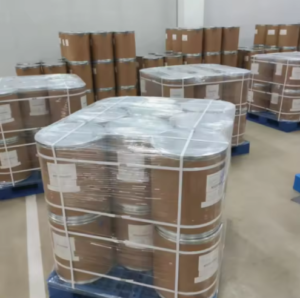
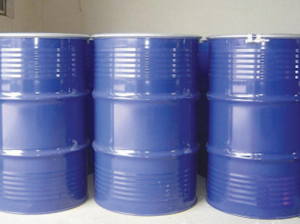
Package:
1kg /25kg Bucket
Palletized Shipping
Lead Time: 1-7 Days
Shipping Methods: Sea/Air/Express delivery