Address
Room 2301C, 23rd Floor, Building 1, jinghu Commercial center, No, 34, Liangzhuang Street, Eri District, Zhengzhou City, Henan province
Work Hours
Monday to Friday: 7AM - 7PM
Weekend: 10AM - 5PM
Address
Room 2301C, 23rd Floor, Building 1, jinghu Commercial center, No, 34, Liangzhuang Street, Eri District, Zhengzhou City, Henan province
Work Hours
Monday to Friday: 7AM - 7PM
Weekend: 10AM - 5PM

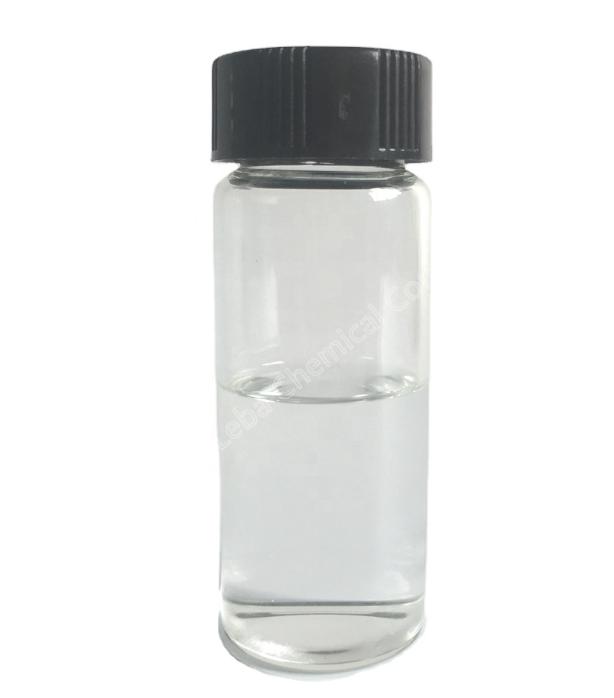
N-[3-(TRIMETHOXYSILYL)PROPYL]ANILINE is a monoamino silane coupling agent. Its molecular structure contains a benzene ring, a secondary amino group, and three hydrolyzable alkoxy groups (methoxy groups). This dual reactivity allows it to enhance the bonding, adhesion, and compatibility between inorganic materials (glass, metals, fillers) and organic polymers (thermosetting resins, plastics, elastomers) through bidirectional chemical reactions, thereby improving the mechanical properties of resin-based composites or the adhesive strength and water resistance of resin coatings.
In various applications, they can be used as coupling agents, adhesion promoters, curing agents, and surface modifiers for pigments and fillers.
Due to the hydrolyzability of the trimethoxysilane moiety, phenyl-3-aminopropyltrimethoxysilane can react with water under certain conditions to form silanol groups, which can then participate in the synthesis and modification of various silicon-based materials. Simultaneously, the presence of the benzene ring and amino group also provides this compound with the potential to react with other organic molecules, such as amidation, sulfonation, and nitration.
Since this product is trimethoxysilane, its hydrolysis rate is significantly faster than that of triethoxysilane, providing a faster reaction and curing speed. However, the byproduct of its hydrolysis reaction is methanol, which is less environmentally friendly.
Comparable Products:
Dow Corning Z-6883
Shinetsu: KBM-573
Momen-tive:Y-9669
Function
1. The secondary amine structure of this product can be used for isocyanate end-capping modification and in the synthesis of silane-terminated PU resins, imparting excellent properties such as good adhesion, environmental friendliness, non-toxicity, and moisture curing.
2. As an additive or in the formulation of primers, it can be used in coatings, inks, adhesives, and sealants made from phenolic, urea-formaldehyde, furan, polyurethane, silicone, epoxy, nitrile, and acrylic resins to improve the adhesion, corrosion resistance, weather resistance, water resistance, and scrub resistance of resin coatings, extending their service life and improving the dispersion and binding of pigments and fillers in the resin phase.
3. In mineral-filled or glass fiber-filled plastics, rubbers, resins, and low-smoke halogen-free flame-retardant cable materials, it improves the dispersion and binding of fillers and fibers in the resin phase, greatly contributing to improved mechanical properties. This product has a significant effect on the modification and reinforcement of plastics, such as significantly improving the impact strength, tensile strength, and other mechanical properties of methacrylic acid (MAA) modified polyethylene or polypropylene and polyamide.
4. Surface treatment of inorganic mineral fillers, flame retardants, and glass fibers to improve their dispersibility, compatibility, bonding strength, and reinforcing effect in the resin phase. This product is particularly advantageous in resin composites requiring high-temperature resistance. The dry and wet flexural strength of glass fiber reinforced phenolic resin laminates treated with this product after a heat aging test (@260℃/192 hours) is 2 to 3 times that of the ordinary monoaminosilane test group.
Technical Specifications:
| Property | Typical Value |
| Purity | >99% |
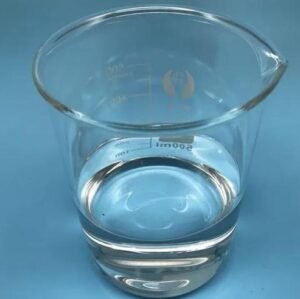
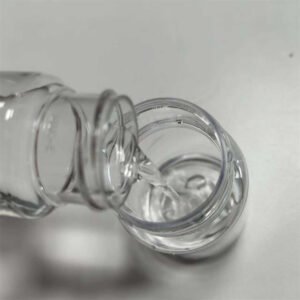
| Appearance | Colorless clear liquid |
| Density | 1.07 |
| Refractive index | 1.506 |
| MW | 255.39 |
Package:
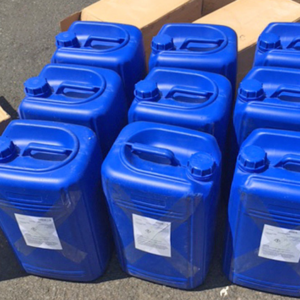
1Kg / 200Kg Bucket
Palletized Shipping
Lead Time: 1-7 Days
Shipping Methods: Sea/Air/Express delivery