Address
Room 2301C, 23rd Floor, Building 1, jinghu Commercial center, No, 34, Liangzhuang Street, Eri District, Zhengzhou City, Henan province
Work Hours
Monday to Friday: 7AM - 7PM
Weekend: 10AM - 5PM
Address
Room 2301C, 23rd Floor, Building 1, jinghu Commercial center, No, 34, Liangzhuang Street, Eri District, Zhengzhou City, Henan province
Work Hours
Monday to Friday: 7AM - 7PM
Weekend: 10AM - 5PM

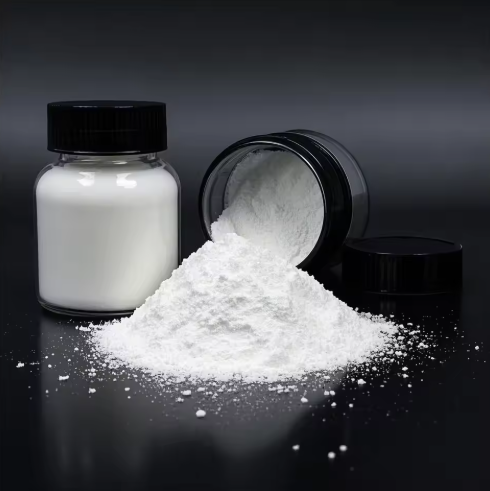
Polyhydroxyalkanoates (PHA) are intracellular polyesters synthesized by many bacteria. In organisms, they primarily function as carbon and energy storage substances. They possess physicochemical properties similar to synthetic plastics, but also exhibit many superior properties not found in synthetic plastics, such as biodegradability, biocompatibility, optical activity, piezoelectricity, and gas barrier properties. PHAs show broad application prospects in biodegradable packaging materials, tissue engineering materials, sustained-release materials, electrical materials, and medical materials.
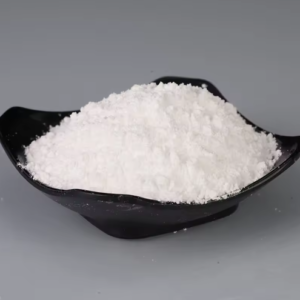
PHA (polyhydroxy fatty acid ester) is a natural polymer widely found in microbial cells. High molecular weight materials made from this substance can be completely degraded into harmless components under both aerobic and anaerobic conditions.
|
item
|
value
|
|
Place of Origin
|
China
|
|
Province
|
Henan
|
|
Type
|
Synthetic Fibers
|
|
Purity
|
99
|
|
Other Names
|
PHA
|
|
MF
|
P34HB
|
|
Brand Name
|
Chemfine
|
|
Model Number
|
PHA resin
|
|
Product name
|
PHA resin
|
|
Form
|
resin
|
|
Sample
|
Free
|
|
Feature
|
biodegradable
|
|
Color
|
Customized Color
|
|
Package
|
25KG
|
|
Type
|
Vrigin
|
|
Application
|
Eco-Friendly
|
|
Output
|
5000 Tons / Year
|
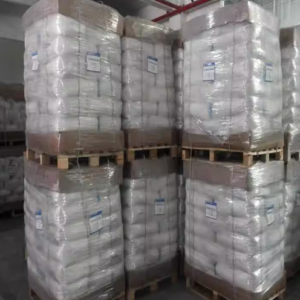
Package:25kg