Address
Room 2301C, 23rd Floor, Building 1, jinghu Commercial center, No, 34, Liangzhuang Street, Eri District, Zhengzhou City, Henan province
Work Hours
Monday to Friday: 7AM - 7PM
Weekend: 10AM - 5PM
Address
Room 2301C, 23rd Floor, Building 1, jinghu Commercial center, No, 34, Liangzhuang Street, Eri District, Zhengzhou City, Henan province
Work Hours
Monday to Friday: 7AM - 7PM
Weekend: 10AM - 5PM

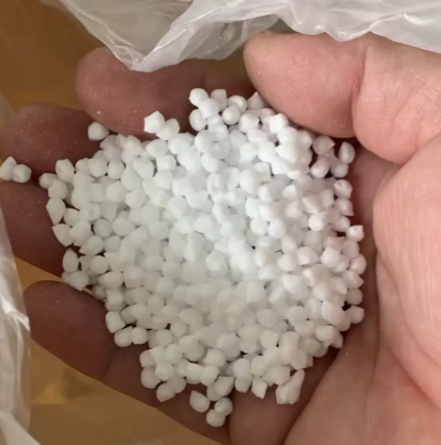
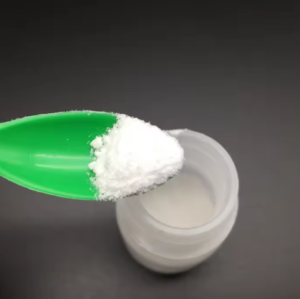
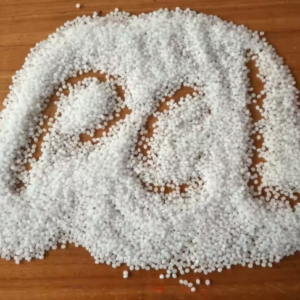
Polycaprolactone (PCL) is a synthetically produced biodegradable polymer material obtained by ring-opening polymerization of ε-caprolactone monomers. As a semi-crystalline polyester, PCL has a unique chemical structure, with its main molecular chain composed of alternating flexible methylene groups and polar ester bonds, giving the material excellent flexibility, a low melting point (approximately 60°C), easy processability, and good biocompatibility.
In the field of medical aesthetics, PCL microspheres (often referred to as “youthful injections”) are widely used for facial filling and anti-aging treatments. Their mechanism of action is unique: after being implanted subcutaneously as a “foreign body,” PCL microspheres stimulate a moderate inflammatory response in the body, inducing fibroblasts to secrete type I collagen. Compared to traditional hyaluronic acid fillers, PCL fillers offer more lasting effects, lasting 12-24 months, and stimulate the production of autologous collagen, earning them the reputation of a “collagen-making machine.”
PCL, due to its excellent cell compatibility and controllable degradation rate, is an ideal material for constructing tissue engineering scaffolds. In bone tissue engineering, bone repair is a slow process requiring long-term material support, and PCL’s degradation cycle of 2-3 years perfectly matches the bone repair time. Therefore, PCL is often combined with bioceramics such as hydroxyapatite to enhance the mechanical strength and osteoconductivity of the scaffold.
PCL, due to its hydrophobic and slow degradation properties, is widely used in the preparation of long-term sustained-release drug carriers. It can encapsulate lipophilic drugs (such as paclitaxel and curcumin) or hydrophilic drugs, enabling sustained drug release, thereby reducing dosing frequency and side effects.
In medical devices, PCL is used to manufacture absorbable surgical sutures, utilizing its biodegradability to avoid the pain of secondary suture removal, especially suitable for cardiovascular and orthopedic surgeries. Furthermore, PCL has been developed as wound dressings and adhesives, possessing hemostatic, antibacterial, and healing-promoting functions.
In the packaging field, PCL is used to manufacture biodegradable shopping bags, express delivery bags, and disposable tableware. Compared to common polylactic acid (PLA), PCL has better flexibility, solving the problem of PLA’s brittleness.
In agriculture, PCL is used to manufacture fully biodegradable agricultural mulch films. These films decompose naturally in the soil into carbon dioxide and water after use, effectively solving the “white pollution” problem caused by traditional plastic mulch film residues, and improving soil structure, which is beneficial to crop growth.
|
Item
|
Specifications
|
Results
|
|
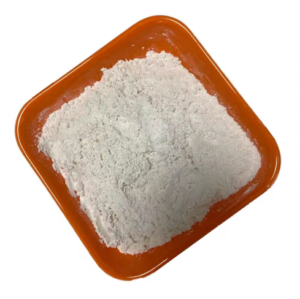
Characters
|
White round particles
|
White round particles
|
|
Inherent Viscosity
|
dl/g(Viscosimeter)
|
0.82 dl/g
|
|
MN
|
60000-80000
|
Conforms
|
|
Melt Index
|
22-26g /10 min150℃
|
23
|
|
Melting Point
|
58-60℃
|
60
|
|
Specific Gravity
|
1.08-1.12 g/ml(25℃)
|
1.12
|
|
Water Content
|
≤1.0%
|
0. 5%
|
|
Polydispersity index
|
≤1.8
|
1.8
|
|
Conclusion
|
The results conforms with enterprise standards
|
|
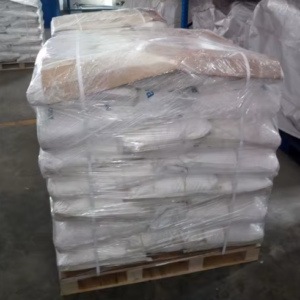
Package:
1kg / 25kg bag
Palletized Shipping
Lead Time: 1-7 Days
Shipping Methods: Sea/Air/Express delivery