Address
Room 2301C, 23rd Floor, Building 1, jinghu Commercial center, No, 34, Liangzhuang Street, Eri District, Zhengzhou City, Henan province
Work Hours
Monday to Friday: 7AM - 7PM
Weekend: 10AM - 5PM
Address
Room 2301C, 23rd Floor, Building 1, jinghu Commercial center, No, 34, Liangzhuang Street, Eri District, Zhengzhou City, Henan province
Work Hours
Monday to Friday: 7AM - 7PM
Weekend: 10AM - 5PM

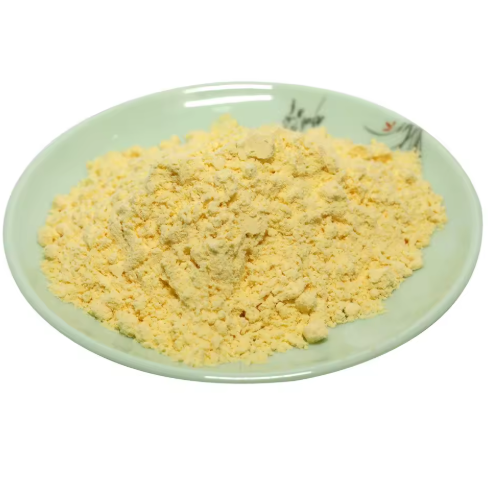
2,5-dimethoxybenzaldehyde Mainly used as a catalyst for the anthraquinone-method manufacture of Hydrogen Peroxide and an intermediate for the production of Dyes. It also can be used for healthcare, photosensitive materials and other synthetic.
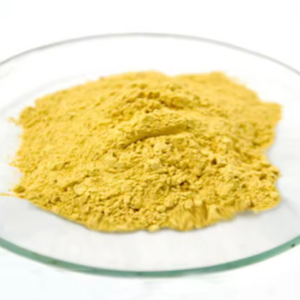
1. As a key intermediate in drug molecule construction, 2,5-dimethoxybenzaldehyde can be used to synthesize various active pharmaceutical ingredients. For example, in the synthesis of the antihypertensive drug methoxamine, 2,5-dimethoxybenzaldehyde is transformed into a key intermediate through a series of reactions, leading to the preparation of a compound with pharmaceutical value.
2. In the synthesis of covalent organic frameworks (COFs), 2,5-dimethoxybenzaldehyde can serve as a linking unit, participating in the construction of COF materials with specific structures and properties. These materials, due to their high specific surface area, ordered porous structure, and chemical stability, have potential applications in gas adsorption, separation, and catalysis.
3. As an aldehyde compound, it can participate in various organic reactions, such as the Henry reaction (nitro alcohol reaction), acetalization, and Schiff base formation, to construct carbon-carbon bonds or introduce specific functional groups, making it an important reaction substrate in organic synthesis.
4. In food flavor research, 2,5-dimethoxybenzaldehyde has been identified as a key aroma component in certain foods (such as heat-treated bayberry juice). Its presence is related to the flavor characteristics of the food and can be used for the analysis and control of food flavor.
|
Items
|
Standard
|
Result
|
|
Appearance
|
Yellowish crystalline powder
|
Yellowish crystalline powder
|
|
Assay
|
≥99%
|
99.50%
|
|
Melting point
|
48.5~51.5℃
|
49.50℃
|
|
Heavy metals
|
≤50PPM
|
45PPM
|
|
Ignition residue
|
≤0.10%
|
0.08%
|
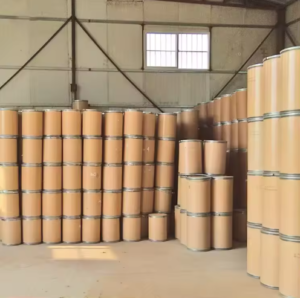
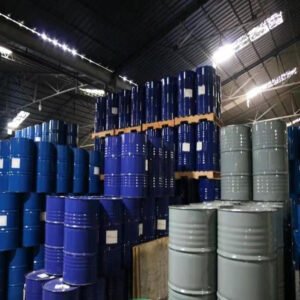
Package:25kg