Address
Room 2301C, 23rd Floor, Building 1, jinghu Commercial center, No, 34, Liangzhuang Street, Eri District, Zhengzhou City, Henan province
Work Hours
Monday to Friday: 7AM - 7PM
Weekend: 10AM - 5PM
Address
Room 2301C, 23rd Floor, Building 1, jinghu Commercial center, No, 34, Liangzhuang Street, Eri District, Zhengzhou City, Henan province
Work Hours
Monday to Friday: 7AM - 7PM
Weekend: 10AM - 5PM

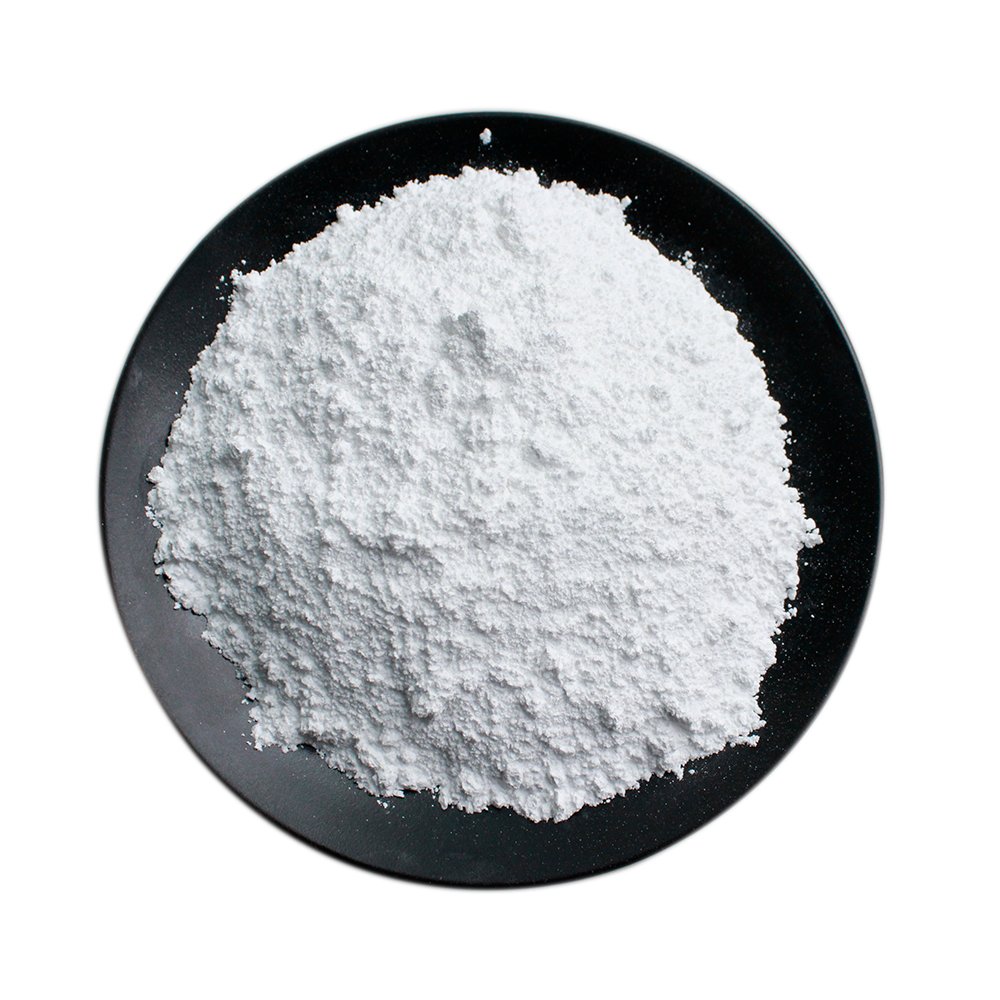
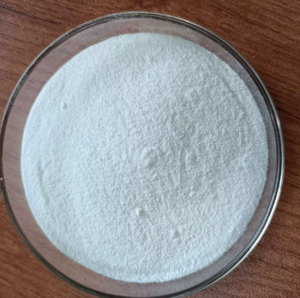
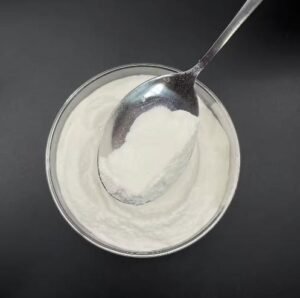
Talc powder belongs to the aluminosilicate clay family and has a soft texture. Its primary constituents include calcium carbonate (CaCO₃), silicon oxides (such as SiO₂), aluminum oxide (Al₂O₃), and various trace elements like magnesium, potassium, and sodium. It is non-crystalline, lacks a refractive index, and appears white; high-quality talc powder boasts a whiteness level exceeding 92 and a pH of 7–8. It is chemically inert, resistant to acids and alkalis, possesses high water absorption capacity, and offers an exceptionally smooth tactile feel.
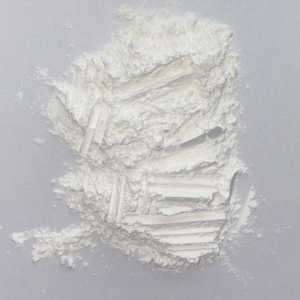
Talc powder is a high-quality filler in the cosmetics industry; its high silicon content enables it to block infrared radiation, thereby enhancing the sun-protection and infrared-blocking properties of cosmetic products. It is frequently used in the formulation of various products such as face powders, beauty powders, and body powders.
In the coatings industry, talc powder is primarily used in primers and intermediate coats; for instance, it is often the preferred choice for flash-dry primers and automotive/transportation coatings. It can be used wholly or partially in primers for steel structures to improve settling characteristics, mechanical film strength, and recoatability. Talc powder is also commonly added to polyurethane waterproof coatings to reduce volume shrinkage during curing, enhance abrasion resistance and adhesion, lower costs, and improve stability and heat resistance, thereby extending shelf life.
Talc powder serves as an effective reinforcing agent in plastics, imparting high rigidity, creep resistance, and a solid surface gloss at both ambient and elevated temperatures. Its incorporation alters various plastic properties, such as surface hardness, tensile strength, flexural modulus, molding shrinkage, impact strength, heat deflection temperature, and dimensional stability. Adding talc powder to polyethylene and polypropylene plastics effectively improves surface hardness and scratch resistance. Furthermore, since the cost of talc powder is only 10%–20% that of plastic resins, its use in the plastics industry helps reduce production costs.
Talc powder plays a vital role in the ceramics industry; the addition of talc is responsible for the diverse colors exhibited by ceramics. Varying the proportions and composition of the mixture allows for a wide range of colors, while also ensuring uniform density, a smooth surface, and excellent gloss after firing.
Talc powder possesses adsorption capabilities, allowing it to adsorb volatile oils onto the surface of its particles and disperse them evenly. This increases the contact area between the volatile oil and the liquid medium, thereby enhancing the solubility of the volatile oil. Li Haibing et al. utilized talc powder as a dispersing agent for *Pogostemon cablin* (patchouli) oil and *Perilla frutescens* (perilla) leaf oil; this not only increased the solubility of these two volatile oils but also resulted in a *Huoxiang Zhengqi* liquid with a superior taste compared to that produced by traditional methods, thereby significantly improving patient compliance.
In sugar coating, talc powder can be used for the powder coating layer; white talc powder passing through a 100-mesh sieve is preferred, typically at a concentration of 3% to 6%. It serves to smooth out sharp edges—facilitating the coating process—and enhances the stability of the sugar-coated tablets.
Technical Specifications:
|
Item
|
Natural talcum powder
|
|||
|
Model Number
|
Talcum-001
|
|||
|
Matrial
|
Natural talcum powder
|
|||
|
Color
|
White or Other Colors
|
|||
|
Size
|
0.1-100um or other size
|
|||
Package:
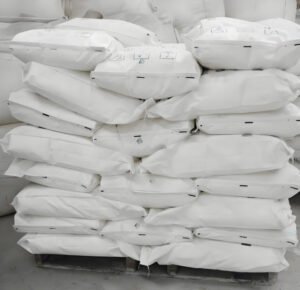
1kg / 20kg Bag
Palletized Shipping
Lead Time: 1-7 Days
Shipping Methods: Sea/Air/Express delivery