Address
Room 2301C, 23rd Floor, Building 1, jinghu Commercial center, No, 34, Liangzhuang Street, Eri District, Zhengzhou City, Henan province
Work Hours
Monday to Friday: 7AM - 7PM
Weekend: 10AM - 5PM
Address
Room 2301C, 23rd Floor, Building 1, jinghu Commercial center, No, 34, Liangzhuang Street, Eri District, Zhengzhou City, Henan province
Work Hours
Monday to Friday: 7AM - 7PM
Weekend: 10AM - 5PM

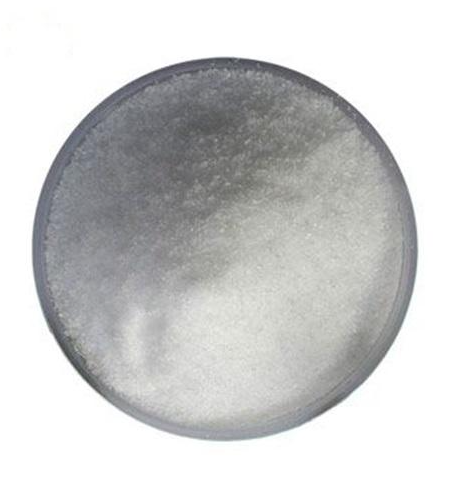
Thioacetamide appears as white or colorless flaky crystals and possesses a faint thiol-like odor. As an important chemical reagent, thioacetamide readily undergoes hydrolysis in acidic solutions, generating hydrogen sulfide gas, which has the characteristic odor of rotten eggs.
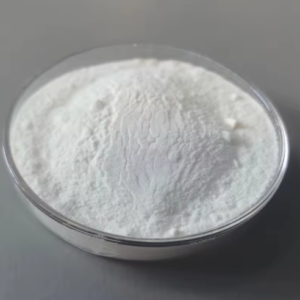
Thioacetamide serves as an indispensable precipitating agent and group reagent in analytical chemistry, finding widespread application in both qualitative and quantitative analysis. In qualitative analysis, it facilitates the group separation of metal ions by leveraging its hydrolysis at various pH levels to generate different sulfur species—such as S²⁻, HS⁻, or H₂S.
In the field of pharmaceutical research, thioacetamide plays a pivotal role as an inducer of pathological models. It acts as an indirect hepatotoxin; upon administration to laboratory animals, it undergoes metabolic activation via the cytochrome P450 enzyme system. This process generates highly oxidative free radicals, which trigger lipid peroxidation and ultimately lead to hepatocyte necrosis, fatty degeneration, and fibrosis.
Furthermore, it participates in a diverse array of organic reactions, serving as a precursor for the synthesis of various sulfur-containing organic compounds—including thioethers, thioamides, and thiazole derivatives. Additionally, it functions as a vulcanizing agent and cross-linking agent for polymers, as well as a raw material for rubber additives, thereby playing a significant role in the fields of fine chemicals and materials science.
| Water Solubility Experiment | Qualified |
| Scorched Residue | <0.05 |
| Melting Point Range | 111-114 |
| Content | >99% |
Package:
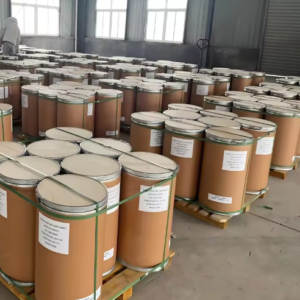
1kg / 25kg bucket
Palletized Shipping
Lead Time: 1-7 Days
Shipping Methods: Sea/Air/Express delivery