Address
Room 2301C, 23rd Floor, Building 1, jinghu Commercial center, No, 34, Liangzhuang Street, Eri District, Zhengzhou City, Henan province
Work Hours
Monday to Friday: 7AM - 7PM
Weekend: 10AM - 5PM
Address
Room 2301C, 23rd Floor, Building 1, jinghu Commercial center, No, 34, Liangzhuang Street, Eri District, Zhengzhou City, Henan province
Work Hours
Monday to Friday: 7AM - 7PM
Weekend: 10AM - 5PM

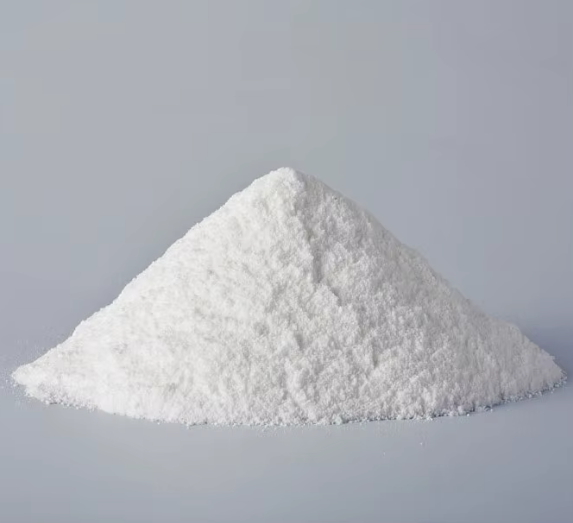
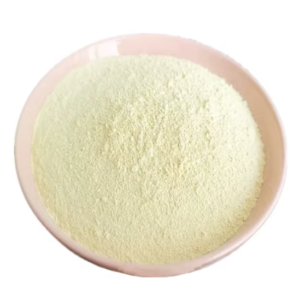
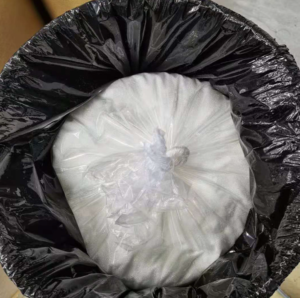
Trimethyl citrate is the product resulting from the complete methyl esterification of the three carboxyl groups of citric acid. At room temperature, it appears as a white crystalline solid and possesses a characteristic aroma reminiscent of lemons.
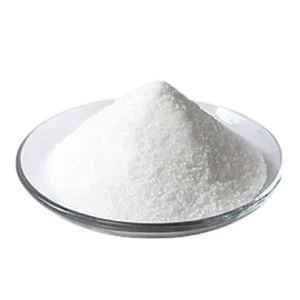
It serves not only as a key raw material for the synthesis of citrazinic acid, pharmaceuticals, and pesticide intermediates, but can also be utilized as an eco-friendly plasticizer for polyvinyl chloride (PVC) and as a synthetic raw material for hot-melt adhesives.
Furthermore, owing to its excellent solubility and low volatility, it is frequently employed as a solvent and plasticizer for nitrocellulose, finding application in daily chemical products such as nail polishes and varnishes.
Although its homologue, triethyl citrate, is widely used as a food additive, trimethyl citrate itself is not listed as a food additive under Chinese national standards; it is primarily utilized within the industrial and daily chemical sectors.
Technical Specifications:
| Item | Specifications |
| Appearance | White crystalline solid |
| Content (GC) % | 99.0%Min |
| Moisture % | 0.5%Max |
| Ignition residue % | 0.5%Max |
| Chroma(Pt-Co) | 50Max |
Package:
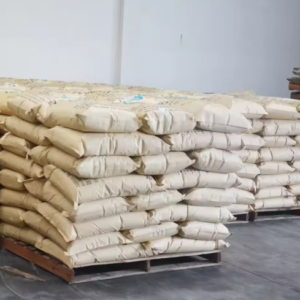
1kg /20kg Bag
Palletized Shipping
Lead Time: 1-7 Days
Shipping Methods: Sea/Air/Express delivery