Address
Room 2301C, 23rd Floor, Building 1, jinghu Commercial center, No, 34, Liangzhuang Street, Eri District, Zhengzhou City, Henan province
Work Hours
Monday to Friday: 7AM - 7PM
Weekend: 10AM - 5PM
Address
Room 2301C, 23rd Floor, Building 1, jinghu Commercial center, No, 34, Liangzhuang Street, Eri District, Zhengzhou City, Henan province
Work Hours
Monday to Friday: 7AM - 7PM
Weekend: 10AM - 5PM

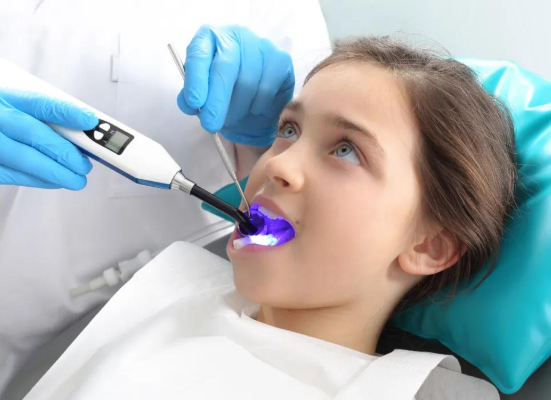
Recently, a client asked me what materials are best for fillings. We’ve previously discussed issues related to cavities, so today we’ll talk about fillings.
So what is the best material for dental fillings?
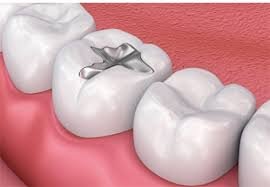
When it comes to dental fillings, many people are familiar with or have heard of resin fillings. In fact, resin fillings have become mainstream in recent years. Before that, amalgam was the dominant filling material. Frankly, since I started working, at least in Beijing, I’ve rarely seen amalgam fillings. Let’s talk about amalgam first. You might not be familiar with it, so let’s briefly introduce this filling material:
Amalgam fillings are a mixture of silver, tin, zinc, copper, and mercury, with a mercury content close to 50%. The mercury content has a significant impact on the quality of amalgam; simply put, too much or too little mercury is not good.
Amalgam fillings work differently from our current mainstream filling materials. Amalgam fillings rely primarily on cavity shape for retention. To be fair, compared to resin, amalgam fillings require a higher level of skill from the dentist in cavity preparation. Of course, this is a benefit brought to dentists by advancements in materials science. So, what are the advantages of amalgam, which has been the mainstream filling material for so many years?
I. Good compressive strength, able to withstand the pressure of chewing.
II. Economical.
III. Compared to composite resin, it has lower requirements for moisture control during the filling process.
However, its disadvantages are also obvious:
I. The color does not match the tooth color, which is disastrous for the aesthetic requirements of front teeth.
II. Over time, it can cause discoloration of the tooth tissue in contact with it.
III. Because amalgam does not have adhesive properties, a box-shaped cavity needs to be prepared for filling amalgam, which may require dentists to remove more tooth tissue.
IV. Many people may be sensitive to mercury or concerned about its adverse effects. However, studies have shown that the amount of mercury absorbed by the human body from fillings is similar to the amount of mercury absorbed from nature. To be fair, the impact of amalgam fillings on health is negligible. However, people’s prejudice against it is a major obstacle. When amalgam becomes available, people’s choice is self-evident.
Having discussed amalgam, let’s move on to the mainstream dental filling material: resin.
First, let’s introduce resin as a filling material: a composite material composed of a resin matrix and inorganic fillers.
Frankly, it’s no surprise that resin dominates the dental filling market. For patients, it matches their tooth color and can match various dentin and enamel shades, resulting in a beautiful appearance. Unlike traditional amalgam, it doesn’t require grinding down more tooth structure to create the cavity. Given the same requirements, no one can refuse it. For dentists, it’s incredibly simple; there’s no need to prepare complex cavity shapes. Advances in bonding agents further enhance this. It looks good and is easy to apply—which dentist could resist?
Now let’s discuss the drawbacks of resin:
First, although the performance of resin materials is constantly improving, with enhanced strength and wear resistance, it’s still uncertain whether its long-term performance is superior to amalgam.
Second, resin materials shrink and age, creating gaps between the filling and tooth structure. Sometimes these gaps widen, increasing the risk of secondary caries. Hopefully, with advancements in materials science, this problem can be gradually resolved.
Many people are familiar with the two filling materials mentioned above, but you might not know about the next one we’re going to discuss, although it’s widely used clinically: glass ionomer.
Let’s start with glass ionomer: it’s made of acrylic, glass, and fluoride.
Don’t underestimate this material; its applications are quite extensive: for example, it’s used for filling baby teeth, or in cases of deep decay requiring nerve soothing.
Advantages:
Disadvantages:
Besides not being as close to the color of teeth as resin, it’s also weaker and more prone to cracking.