Address
Room 2301C, 23rd Floor, Building 1, jinghu Commercial center, No, 34, Liangzhuang Street, Eri District, Zhengzhou City, Henan province
Work Hours
Monday to Friday: 7AM - 7PM
Weekend: 10AM - 5PM
Address
Room 2301C, 23rd Floor, Building 1, jinghu Commercial center, No, 34, Liangzhuang Street, Eri District, Zhengzhou City, Henan province
Work Hours
Monday to Friday: 7AM - 7PM
Weekend: 10AM - 5PM

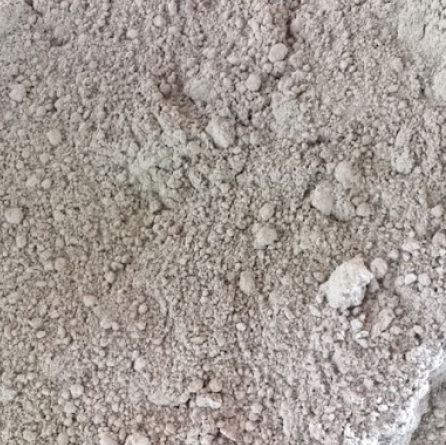
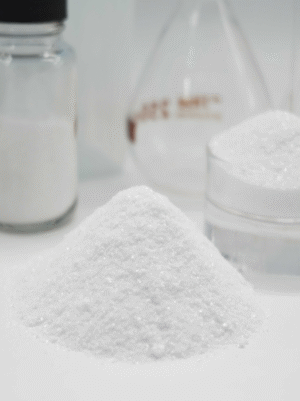
Pentachlorophenol, abbreviated as PCP, is an organic compound. PCP is a white crystalline powder that is soluble in dilute alkaline solutions, ethanol, acetone, diethyl ether, benzene, and similar solvents, but is almost insoluble in water. It exhibits excellent preservative properties and strong antimicrobial activity; consequently, it is widely used as a preservative and mildew inhibitor for products such as textiles and leather.
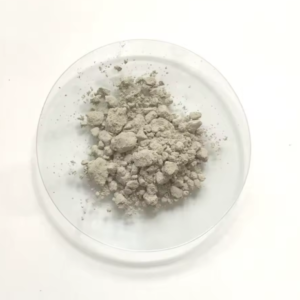
It serves as an antimicrobial agent for plastics and rubber (natural latex), demonstrating effective bactericidal and anti-mold properties. It also contributes to improving the mechanical and chemical stability of latex; its efficacy is further enhanced when used in combination with ammonia. Typically, a 20% aqueous solution is employed, with a standard dosage of 0.3%, supplemented by 0.1% ammonia.
It is suitable for use in adhesives for food packaging materials, acting as an effective anti-mold agent.
Additionally, it functions as a non-selective contact herbicide, primarily targeting weeds that propagate via seeds.
This product is also utilized as a preservative for various substances, including wood, starch, dextrin, casein, and gelatin.
Technical Specifications:
| Test Items | Standard | Result |
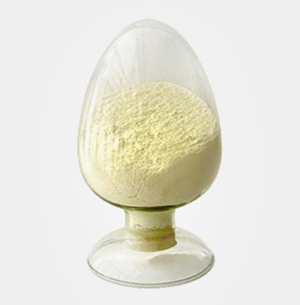
| Appearance | Light yellow or gray white powder | Light yellow powder |
| Specific gravity | 1.70–1.83 | 1.79 |
| Melting point | 210–240°C | 210–240°C |
| Odor | Slightly pungent smell | Slightly pungent smell |
| IR | SADTLER J136 | Complies with SADTLER J136 |
| Sulphur content | 11–13% | 12.62% |
| Ignition residue (900°C, 2 hours) | ≤1.0% | 0.22% |
| Weight Loss After Heating (70°C, 2 hours) | ≤1.0% | — |
| Residue on sieve (100 mesh) | ≤0.3% | None |
| Assay | ≥98.0% | 99.3% |
Package:
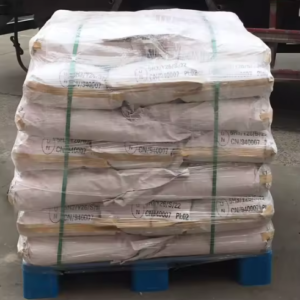
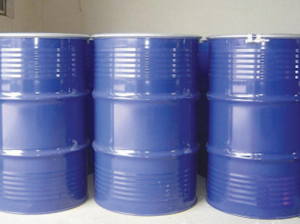
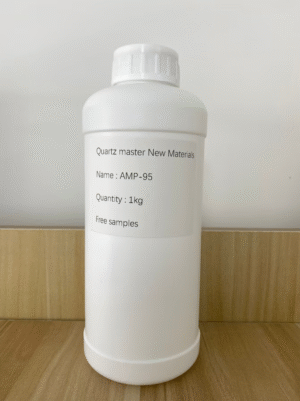
1kg / 25kg bag
Palletized Shipping
Lead Time: 1-7 Days
Shipping Methods: Sea/Air/Express delivery