Address
Room 2301C, 23rd Floor, Building 1, jinghu Commercial center, No, 34, Liangzhuang Street, Eri District, Zhengzhou City, Henan province
Work Hours
Monday to Friday: 7AM - 7PM
Weekend: 10AM - 5PM
Address
Room 2301C, 23rd Floor, Building 1, jinghu Commercial center, No, 34, Liangzhuang Street, Eri District, Zhengzhou City, Henan province
Work Hours
Monday to Friday: 7AM - 7PM
Weekend: 10AM - 5PM

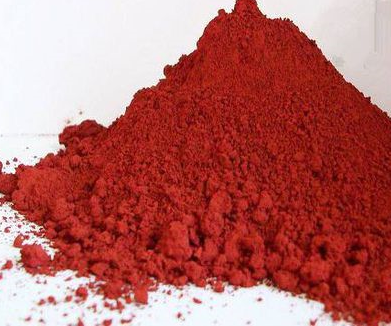
Thiomichler’s ketone is used as a reagent for the determination of tungsten. It also serves as a sensitive spectrophotometric reagent for gold, silver, mercury, and palladium, as well as for the determination of residual chlorine.
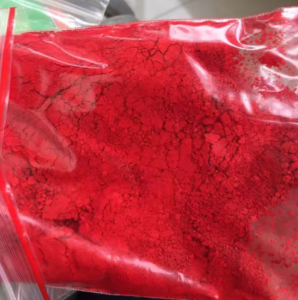
Gold (Au): Used for the rapid determination of gold grades in ores and mineral samples—whether in the field or the laboratory—by forming colored complexes with gold ions; analysis is achieved through visual colorimetry or spectrophotometry, enabling a rapid and highly sensitive assessment of gold content.
Mercury (Hg): In the analysis of environmental water samples, it serves as a complexing agent within the framework of ultrasound-assisted cloud-point extraction coupled with atomic fluorescence spectrometry. This method allows for the preconcentration and detection of trace levels of mercury in water, boasting a detection limit as low as 0.003 μg/L; it is particularly suitable for the determination of mercury in clean water samples, such as surface water and tap water.
Silver (Ag), Palladium (Pd), and Platinum (Pt): These serve as highly sensitive spectrophotometric reagents for the determination of the content of these specific metal elements, facilitating quantitative analysis through the formation of complexes with characteristic colors.
In the contexts of chemical education and scientific research, these reagents are frequently employed to demonstrate the complexation reactions between metal ions and organic reagents, as well as to illustrate the fundamental principles and practical applications of analytical techniques such as spectrophotometry and colorimetry.
Technical Specifications:
|
Appearance
|
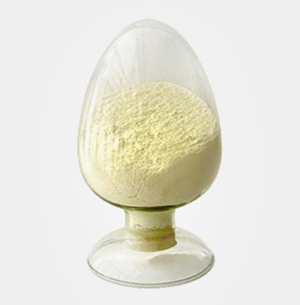
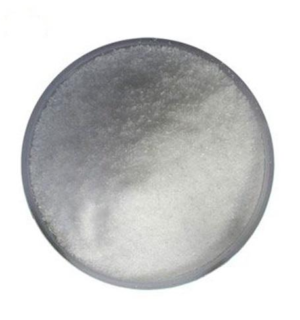
Dark red crystal
|
|
Assay
|
AR
|
Package:
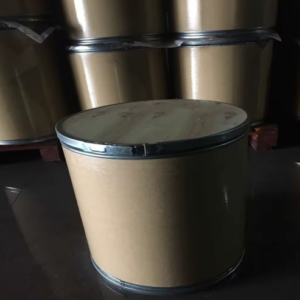
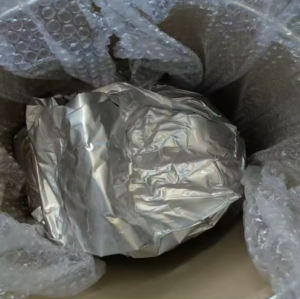
1kg /25kg Bucket
Palletized Shipping
Lead Time: 1-7 Days
Shipping Methods: Sea/Air/Express delivery