Address
Room 2301C, 23rd Floor, Building 1, jinghu Commercial center, No, 34, Liangzhuang Street, Eri District, Zhengzhou City, Henan province
Work Hours
Monday to Friday: 7AM - 7PM
Weekend: 10AM - 5PM
Address
Room 2301C, 23rd Floor, Building 1, jinghu Commercial center, No, 34, Liangzhuang Street, Eri District, Zhengzhou City, Henan province
Work Hours
Monday to Friday: 7AM - 7PM
Weekend: 10AM - 5PM

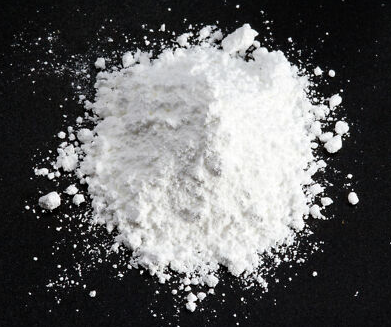
Medical-grade PHA (polyhydroxyalkanoate) microspheres demonstrate broad application prospects within the medical field, owing to their biodegradability, low toxicity, tunable physicochemical properties (such as particle size and surface functional groups), and the eco-friendly nature of their microbial synthesis. The following outlines their primary areas of application and potential future developments:
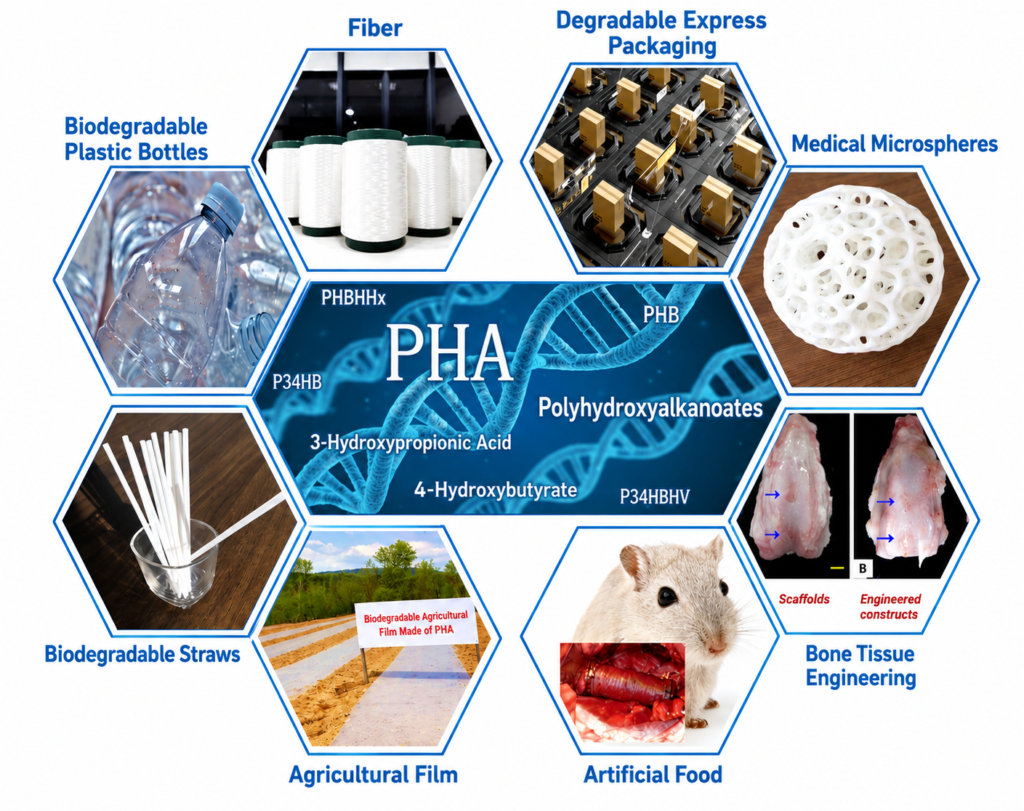
1.Drug Delivery Systems
Sustained- and Controlled-Release Carriers
PHA microspheres enable the precise controlled release of drugs—extending their half-lives and reducing dosing frequency—through the modulation of particle size and surface modification. For instance, they can be utilized for the targeted delivery of chemotherapy drugs to treat cancer, thereby reducing systemic toxicity.
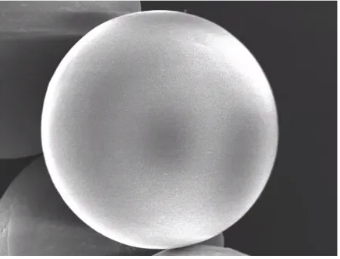
Vaccine Adjuvants
Acting as antigen carriers, they enhance immune responses and boost vaccine efficacy. Their porous structure enables the loading of mRNA or protein-based vaccines, thereby improving their stability.
Gene Therapy
Through surface modification, they carry nucleic acid therapeutics (such as siRNA and plasmid DNA), protecting the genetic material and facilitating its intracellular delivery.
2.Tissue Engineering and Regenerative Medicine
PHA microspheres, serving as scaffold materials, can function as three-dimensional scaffolds to mimic the extracellular matrix and support the repair and regeneration of tissues such as bone, cartilage, and skin. Their degradation rate can be matched to the rate of tissue regeneration.
P34HB (poly-3-hydroxybutyrate-co-4-hydroxybutyrate) is a type of PHA (polyhydroxyalkanoate). As a fourth-generation PHA product, P34HB is a biodegradable polymeric material characterized by complete biodegradability and excellent biocompatibility. PHAs constitute a class of aliphatic copolyesters synthesized by microorganisms through the fermentation of carbon sources; they exhibit a wide variety of structures and properties. P34HB, representing the fourth generation of these materials, possesses superior comprehensive performance and tunable mechanical properties.
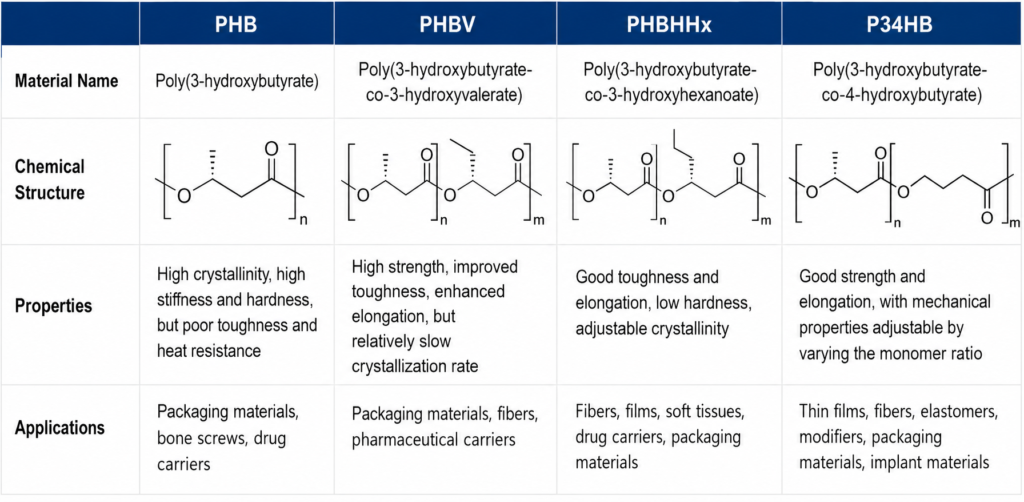
According to the summary of results from the second classification determination of medical devices in 2024, it is recommended that the product be regulated as a Class III medical device, specifically indicated for use in the nasolabial folds.
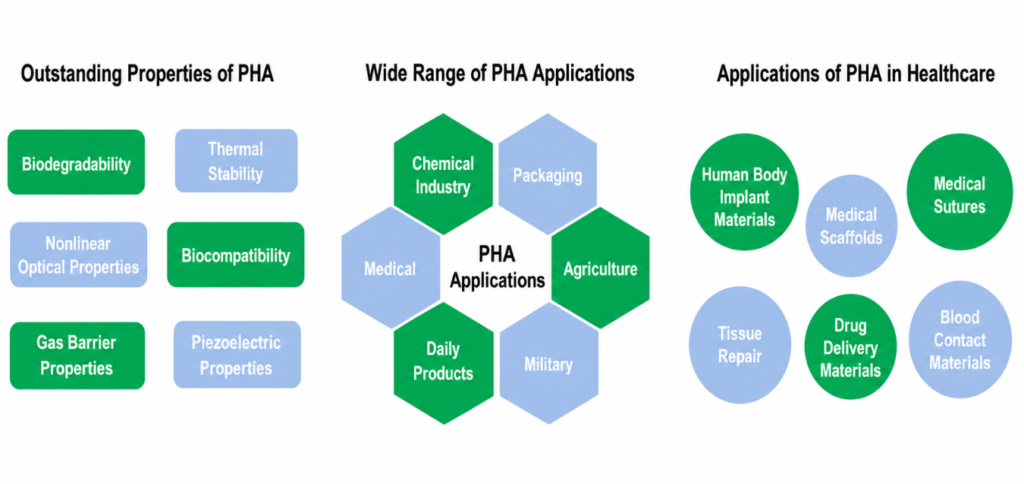
Due to its unique properties such as biodegradability, gas barrier performance, biocompatibility, anticoagulant characteristics, hydrophobicity, and optical activity, PHA demonstrates outstanding advantages as an advanced biomedical material in fields including medical devices, tissue engineering, and drug delivery systems. Medical products made from PHA, such as surgical sutures and absorbable surgical membranes, have already received FDA approval and been commercialized in the United States.
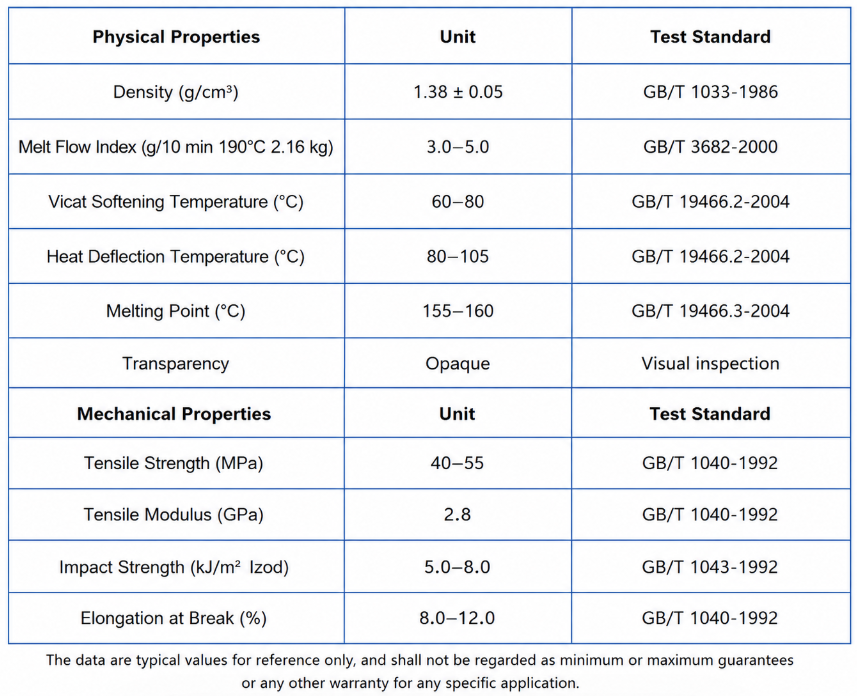
Standards Pertaining to the Physicochemical Properties of Raw Materials
Cell Encapsulation
Used to encapsulate stem cells or growth factors, enabling minimally invasive implantation and sustained local release to promote the repair of damaged tissues.
3.Medical Imaging and Diagnostics
Contrast Agents
Following surface modification, these agents can be loaded with contrast media for ultrasound, MRI, or CT imaging (such as gaseous microbubbles or gadolinium ions) to enhance imaging resolution.
Theranostics
By integrating therapeutic and imaging capabilities, they enable targeted therapy while simultaneously monitoring treatment efficacy—for instance, in the context of precision photothermal therapy for tumors.
4.Wound Care and Antimicrobial Materials
Antimicrobial Dressings
PHA microspheres can encapsulate antibiotics or silver nanoparticles, providing sustained release to prevent infection; they are suitable for chronic wounds (such as diabetic foot ulcers).
Wound-Healing Materials
Accelerate angiogenesis and tissue regeneration through the release of growth factors (e.g., VEGF, EGF).
5.Diagnostics and Biosensors
Microfluidic Chips
Serving as carriers for biomarkers to enable the rapid detection of pathogens or biological markers.
Fluorescent/Magnetic Probes
Surface-modified quantum dots or magnetic nanoparticles utilized for cell tracking or intraoperative navigation.
6.Contraception and Hormone Therapy
Long-Acting Contraceptive Implants
Providing long-term contraception through the sustained release of progestogens, thereby eliminating the need for frequent injections.
Hormone Replacement Therapy
Facilitating the continuous release of estrogen for menopausal women, with the aim of minimizing side effects.
Challenges and Future Directions
Production Costs: Optimization of fermentation processes and scale-up of production are required to reduce costs.
Degradation Control: Further research is needed to elucidate the relationship between degradation rates and physiological environments, enabling adaptation to diverse clinical requirements.
Long-term Safety: The accumulation of additional preclinical and clinical trial data is necessary to validate long-term biocompatibility.
Functionalization: Development of surface modification techniques (e.g., using targeting peptides or antibodies) is required to enhance delivery efficiency and precision.
In summary, medical-grade PHA microspheres hold immense potential across the fields of precision medicine, regenerative medicine, and intelligent diagnostics—particularly in their capacity to serve as alternatives to traditional non-degradable materials such as PLGA. As advancements in synthetic biology and nanotechnology continue, the scope of their applications is poised to expand further; however, interdisciplinary collaboration will be essential to address challenges related to cost, performance, and regulatory compliance.
Related Products
Looking for medical-grade PHA materials for tissue engineering, drug delivery, and biodegradable medical applications?