Address
Room 2301C, 23rd Floor, Building 1, jinghu Commercial center, No, 34, Liangzhuang Street, Eri District, Zhengzhou City, Henan province
Work Hours
Monday to Friday: 7AM - 7PM
Weekend: 10AM - 5PM
Address
Room 2301C, 23rd Floor, Building 1, jinghu Commercial center, No, 34, Liangzhuang Street, Eri District, Zhengzhou City, Henan province
Work Hours
Monday to Friday: 7AM - 7PM
Weekend: 10AM - 5PM

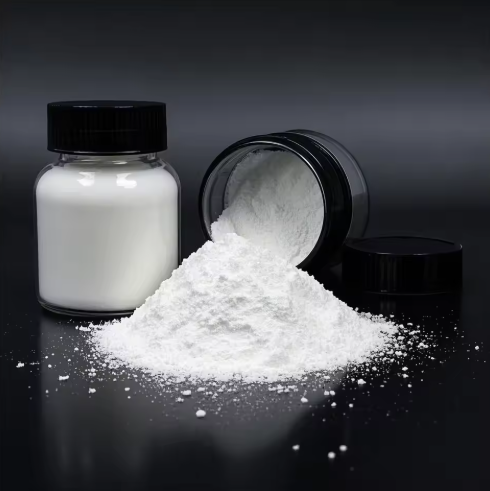
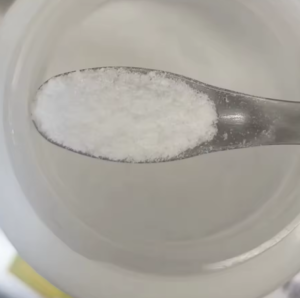
What is PHA?
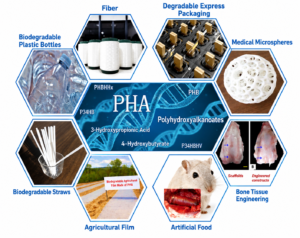
Polyhydroxyalkanoates (PHA) are intracellular polyesters synthesized by many bacteria. In organisms, they primarily function as carbon and energy storage substances. They possess physicochemical properties similar to synthetic plastics, but also exhibit many superior properties not found in synthetic plastics, such as biodegradability, biocompatibility, optical activity, piezoelectricity, and gas barrier properties. PHAs show broad application prospects in biodegradable packaging materials, tissue engineering materials, sustained-release materials, electrical materials, and medical materials.
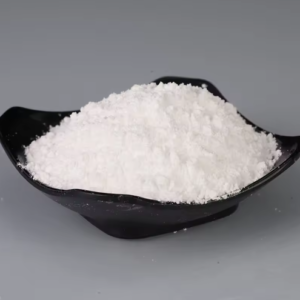
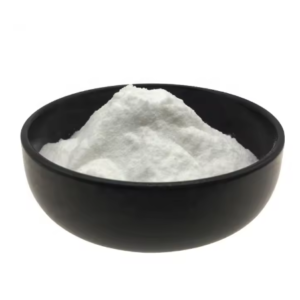
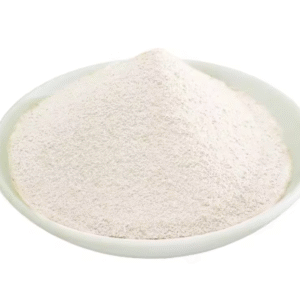
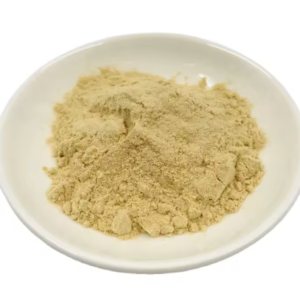
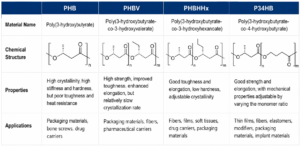
Difference Between PHB / PHBV / PHBHHx / P34HB
Technical Properties:
| Category | Test Item | Testing Method SOP | Quality Standard |
| Physicochemical Tests | Appearance | QA-SOP-007 | White to off-white powder |
| Physicochemical Tests | Moisture | QA-SOP-007 | ≤0.4% |
| Physicochemical Tests | Assay | QA-SOP-002 | ≥99.5% |
| Physicochemical Tests | Viscosity | QA-SOP-004 | Actual value |
| Physicochemical Tests | Ignition Residue | QA-SOP-008 | ≤0.2% |
| Physicochemical Tests | Organic Solvents | QA-SOP-003 | ≤0.053% |
| Physicochemical Tests | Heavy Metals | QA-SOP-018 | ≤10 ppm |
| Physicochemical Tests | Chloride | QA-SOP-021 | ≤10 ppm |
| Physicochemical Tests | Protein Content | QA-SOP-006 | ≤0.1% |
| Physicochemical Tests | Nucleic Acid Content | QA-SOP-005 | OD260nm < 0.1 |
| Physicochemical Tests | Bacterial Endotoxins (Gel Clot) | QA-SOP-016 | < 0.2 EU/mg |
| Safety Tests | Microbial Limits | QA-SOP-013 | Total aerobic microbial count ≤10 cfu per 1g of product |
| Safety Tests | Microbial Limits | QA-SOP-013 | Total yeast and mold count <10 cfu per 1g of product |
| Safety Tests | Microbial Limits | QA-SOP-012 | Not detected in 1g of product: Escherichia coli |
| Safety Tests | Microbial Limits | QA-SOP-012 | Not detected in 1g of product: Pseudomonas aeruginosa |
| Safety Tests | Microbial Limits | QA-SOP-012 | Not detected in 1g of product: Staphylococcus aureus |
| Safety Tests | Microbial Limits | QA-SOP-012 | Not detected in 10g of product: Salmonella |
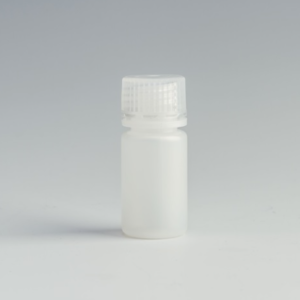
Package:
1g / 1kg bag
Palletized Shipping
Lead Time: 1-7 Days
Shipping Methods: Sea/Air/Express delivery
FAQ:
Is PHA biodegradable?
PHA (Polyhydroxyalkanoates) is a fully biodegradable biopolymer produced by microbial fermentation. It can naturally degrade in soil, marine environments, compost, and biological systems without generating toxic residues, making it an environmentally friendly alternative to conventional plastics.
What is the difference between PHB and PHBV?
PHB is a highly crystalline PHA polymer with high stiffness and strength but relatively low flexibility. PHBV is a copolymer modified from PHB by introducing hydroxyvalerate (HV) units, which improve toughness, flexibility, and processability. PHBV is therefore more suitable for applications requiring better mechanical performance.
Is PHA suitable for medical applications?
Yes. PHA offers excellent biocompatibility, biodegradability, and bioresorbability, making it highly suitable for medical and biomedical applications such as tissue engineering, drug delivery systems, surgical sutures, wound dressings, and implantable medical devices.
Is PHA FDA approved?
Certain PHA-based medical products, including surgical sutures and biodegradable implants, have received FDA approval for specific medical applications in the United States. Regulatory approval depends on the material grade, formulation, and intended use.
Can PHA replace PLA?
PHA has the potential to replace PLA in many applications due to its superior biodegradability, better biocompatibility, and wider environmental degradation capability, including marine degradation. Compared with PLA, PHA generally offers improved flexibility and broader end-of-life options, especially for medical and sustainable packaging applications.
Related Articles
Medical Grade PHA Application Prospects
Research on Polyhydroxyalkanoates as Biodegradable Materials