Address
Room 2301C, 23rd Floor, Building 1, jinghu Commercial center, No, 34, Liangzhuang Street, Eri District, Zhengzhou City, Henan province
Work Hours
Monday to Friday: 7AM - 7PM
Weekend: 10AM - 5PM
Address
Room 2301C, 23rd Floor, Building 1, jinghu Commercial center, No, 34, Liangzhuang Street, Eri District, Zhengzhou City, Henan province
Work Hours
Monday to Friday: 7AM - 7PM
Weekend: 10AM - 5PM

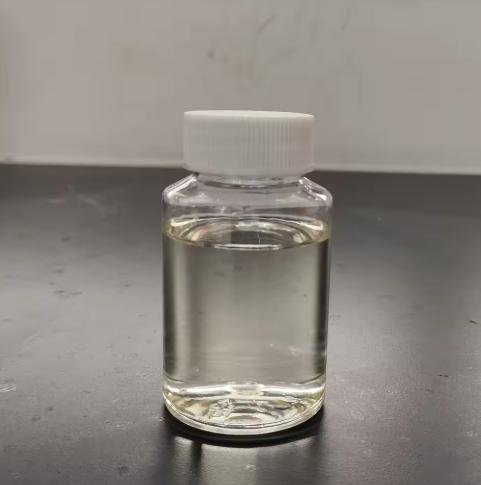
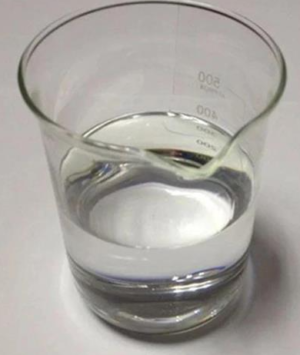
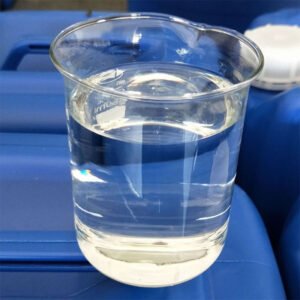
Dibutyltin diacetate, with the chemical formula (CH₃CH₂CH₂CH₂)₂Sn(OCOCH₃)₂, is an important organotin compound. At room temperature, it typically appears as a colorless to pale yellow transparent liquid with a faint acetic acid odor. This substance exhibits Lewis acidic properties, effectively activating reaction substrates, and serves as a widely used, highly efficient catalyst in the field of polymer synthesis.
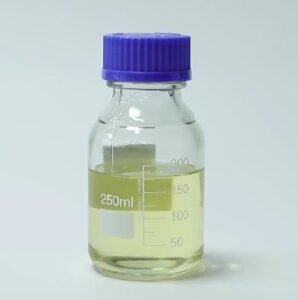
Dibutyltin diacetate is a crucial catalyst within the silicone industry, finding particularly widespread application in the production of room-temperature vulcanizing (RTV) silicone rubber. It is primarily utilized in acetate-type silicone rubber curing systems. Due to its high catalytic activity, it significantly accelerates the silanol condensation reaction, enabling the rubber compound to vulcanize and cure rapidly at room temperature. Compared to dibutyltin dilaurate, dibutyltin diacetate offers a faster catalytic rate, effectively shortening curing times and boosting production efficiency. In practical applications, to strike a balance between catalytic speed and odor, it is sometimes used in combination with dibutyltin dilaurate—typically in specific ratios (e.g., 1:9 or 2:8)—to mitigate the acetic acid odor of the final product.
In the polyurethane industry, dibutyltin diacetate serves as a catalyst for polyurethane coatings and adhesives. It facilitates the reaction between isocyanates and hydroxyl groups (the cross-linking reaction), thereby accelerating the polyurethane curing process. This catalyst is particularly well-suited for polyurethane products that demand rapid curing rates, such as fast-curing adhesives and sealants.
Dibutyltin diacetate is also employed in the transesterification reactions involved in polyester synthesis. As a highly efficient transesterification catalyst, it promotes the exchange reaction between polyester raw materials (such as dimethyl terephthalate and ethylene glycol), thereby accelerating the polymerization process and enhancing the overall efficiency of polyester production. It is frequently used in conjunction with other catalysts (such as butylstannoic acid) to yield polyester products with superior color properties.
Technical Specifications:
|
Items
|
Specification
|
|
Appearance
|
Liquid
|
|
Content
|
99.0%min
|
|
Moisture
|
<0.04%
|
|
Heavy Metals
|
<0.002%
|
|
Tin content
|
32% min
|
|
Density (g/cm3, 20ºC)
|
1.30-1.35
|
Package:
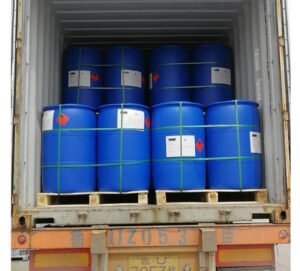
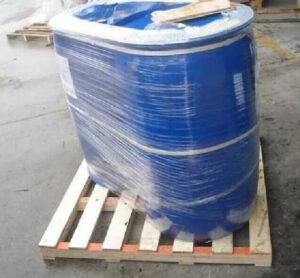
1kg / 200kg bucket
Palletized Shipping
Lead Time: 1-7 Days
Shipping Methods: Sea/Air/Express delivery