Address
Room 2301C, 23rd Floor, Building 1, jinghu Commercial center, No, 34, Liangzhuang Street, Eri District, Zhengzhou City, Henan province
Work Hours
Monday to Friday: 7AM - 7PM
Weekend: 10AM - 5PM
Address
Room 2301C, 23rd Floor, Building 1, jinghu Commercial center, No, 34, Liangzhuang Street, Eri District, Zhengzhou City, Henan province
Work Hours
Monday to Friday: 7AM - 7PM
Weekend: 10AM - 5PM

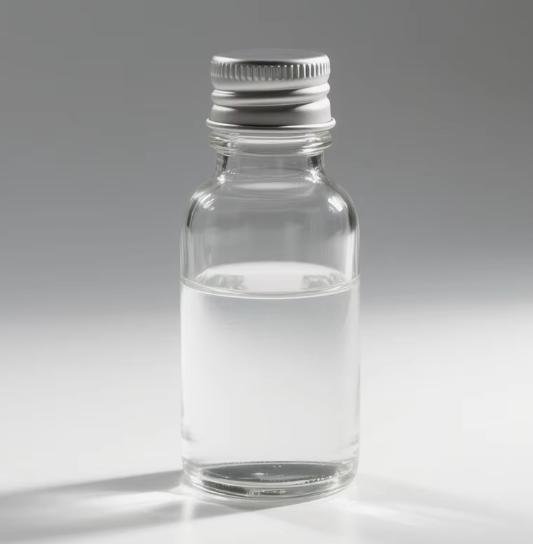
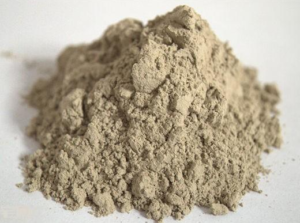
Poloxamer is a class of nonionic block copolymer surfactants composed of polyethylene oxide (PEO) and polypropylene oxide (PPO). Its molecular structure is typically a triblock structure with hydrophilic ends and a hydrophobic middle. These substances exhibit unique amphiphilic properties, being soluble in both water and organic solvents, and display a significant “reverse thermogel” characteristic, meaning they are liquid at low temperatures and transform into a gel at high temperatures. Poloxamer is widely used in the pharmaceutical, chemical, and biotechnology fields as an emulsifier, solubilizer, stabilizer, and drug carrier. Common types include poloxamer 188 and poloxamer 407.
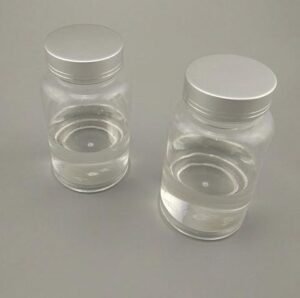
In pharmaceutical formulations, poloxamer 188 is commonly used as an emulsifier in intravenous fat emulsions (such as propofol injection) and as a solubilizer for poorly soluble drugs, improving bioavailability. Utilizing its thermosensitive properties, poloxamer 407 has been developed into in-situ gel systems for ophthalmic, nasal, and injectable applications, achieving long-acting sustained release of drugs. Furthermore, in protein drugs and vaccines, poloxamer 188 acts as a stabilizer, preventing protein aggregation and interfacial denaturation.
In cosmetics, poloxamer is commonly used as an emulsifier, solubilizer, and mild surfactant. For example, in makeup removers and facial cleansers, its micellar solubilization technology dissolves oils; in toothpaste and mouthwash, its gel properties improve taste and stability.
In cell culture, poloxamer 188 (Pluronic F68) is widely used as a shear protectant, reducing cell damage caused by shear forces generated by bioreactor agitation, thereby improving cell viability and product expression levels.
Technical Specifications:
|
Model
|
Appearance
|
Colority Pt-Co
|
Hydroxyl value mg KOH/g
|
Molecular weight
|
Ice point ℃
|
Water content %
|
PH value (1% water solution)
|
|
PEG-200
|
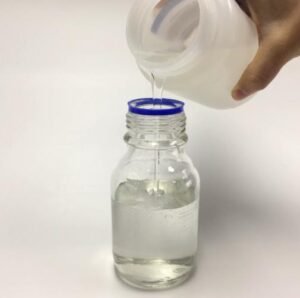
transparent liquid Colorless
|
≤20
|
510-623
|
180-220
|
—
|
≤1.0
|
5.0-7.0
|
|
PEG-300
|
transparent liquid Colorless
|
≤20
|
340-416
|
270-330
|
—
|
≤1.0
|
5.0-7.0
|
|
PEG-400
|
transparent liquid Colorless
|
≤20
|
255-312
|
360-440
|
4-10
|
≤1.0
|
5.0-7.0
|
|
PEG-600
|
transparent liquid Colorless
|
≤20
|
170-208
|
540-660
|
20-25
|
≤1.0
|
5.0-7.0
|
|
PEG-800
|
Milky white cream
|
≤30
|
127-156
|
720-880
|
26-32
|
≤1.0
|
5.0-7.0
|
|
PEG-1000
|
Milky white solid
|
≤40
|
102-125
|
900-1100
|
38-41
|
≤1.0
|
5.0-7.0
|
|
PEG-1500
|
Milky white solid
|
≤40
|
68-83
|
1350-1650
|
43-46
|
≤1.0
|
5.0-7.0
|
|
PEG-2000
|
Milky white solid
|
≤50
|
51-63
|
1800-2200
|
48-50
|
≤1.0
|
5.0-7.0
|
|
PEG-3000
|
Milky white solid
|
≤50
|
34-42
|
2700-3300
|
51-53
|
≤1.0
|
5.0-7.0
|
|
PEG-4000
|
Milky white solid
|
≤50
|
26-32
|
3600-4400
|
53-54
|
≤1.0
|
5.0-7.0
|
|
PEG-6000
|
Milky white solid
|
≤50
|
17.5-20
|
5500-7000
|
54-60
|
≤1.0
|
5.0-7.0
|
|
PEG-8000
|
Milky white solid
|
≤50
|
12-16
|
7200-8800
|
55-63
|
≤1.0
|
5.0-7.0
|
|
PEG-10000
|
Milky white solid
|
≤50
|
9.4-12.5
|
9000-120000
|
55-63
|
≤1.0
|
5.0-7.0
|
|
PEG-20000
|
Milky white solid
|
≤50
|
5-6.5
|
18000-22000
|
55-63
|
≤1.0
|
5.0-7.0
|
Package:
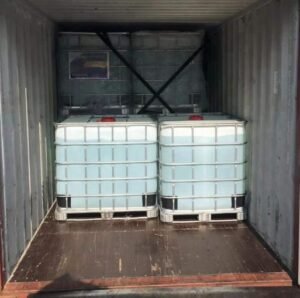
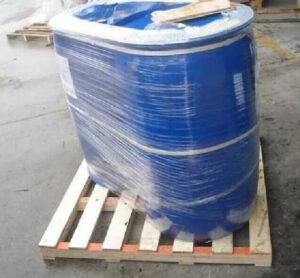
1kg / 200kg Bucket
Palletized Shipping
Lead Time: 1-7 Days
Shipping Methods: Sea/Air/Express delivery