Address
Room 2301C, 23rd Floor, Building 1, jinghu Commercial center, No, 34, Liangzhuang Street, Eri District, Zhengzhou City, Henan province
Work Hours
Monday to Friday: 7AM - 7PM
Weekend: 10AM - 5PM
Address
Room 2301C, 23rd Floor, Building 1, jinghu Commercial center, No, 34, Liangzhuang Street, Eri District, Zhengzhou City, Henan province
Work Hours
Monday to Friday: 7AM - 7PM
Weekend: 10AM - 5PM

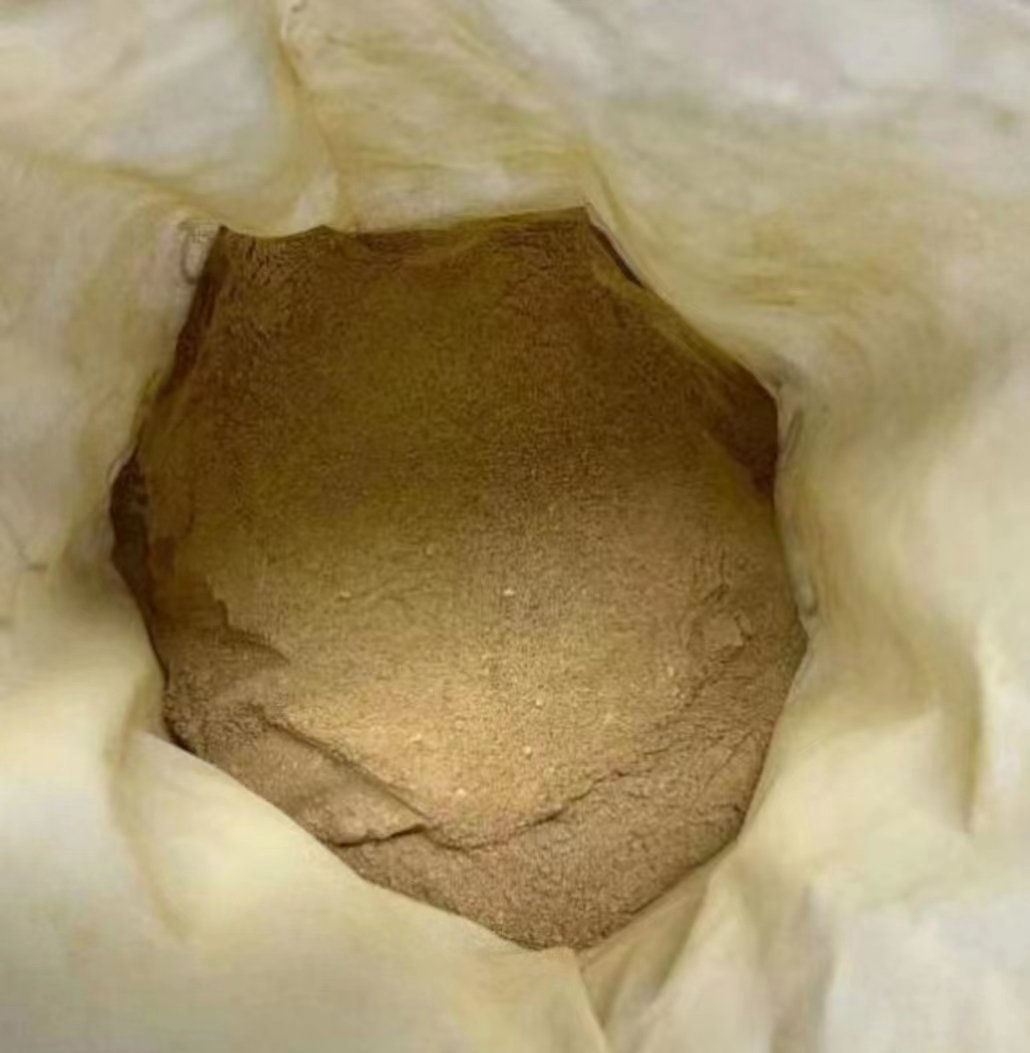
Polybenzimidazole (PBI) is a high-performance heterocyclic polymer with repeating benzimidazole units in its main chain. Its highly rigid molecular structure, with the main chain consisting of benzene and benzimidazole rings linked by C-N bonds, endows it with excellent thermal stability, flame retardancy, chemical stability, and mechanical properties. First synthesized by H. Vogel and C.S. Marvel in 1961, PBI is known as a “super engineering plastic” due to its infusible and insoluble properties at high temperatures. As an amphoteric material, PBI can function as a cation exchange membrane in acidic media and anion exchange membrane in alkaline media, giving it an irreplaceable position in fields such as high-temperature proton exchange membrane fuel cells, high-temperature resistant fibers, high-performance composite materials, and gas separation membranes.
PBI fiber is one of the most mature applications of PBI. Due to its excellent flame retardancy (limited oxygen index LOI > 40), high-temperature resistance (strength remains almost unchanged at 371℃), and chemical corrosion resistance, PBI fiber is widely used in the manufacture of fire-fighting protective clothing, racing suits, spacesuit underwear, and aircraft fire-retardant layers. PBI fiber is often blended with para-aramid (such as Kevlar) to balance high strength and flame retardancy.
PBI is one of the core materials in high-temperature proton exchange membrane fuel cells (HT-PEMFC). PBI membranes doped with proton acids (such as phosphoric acid) exhibit extremely high proton conductivity under high-temperature (120-200℃) and anhydrous conditions, and possess excellent alcohol resistance, making them suitable for direct methanol fuel cells (DMFC) and hydrogen fuel cells. Furthermore, PBI shows promising application prospects as a non-fluorinated ion exchange membrane in vanadium redox flow batteries (VRFB), effectively addressing the vanadium ion permeation problem during battery operation.
PBI resin can be used to prepare high-performance composite materials, especially carbon fiber reinforced polybenzimidazole (CFRP-PBI), which has extremely high specific strength and specific modulus, making it suitable for aerospace structural components, radar radomes, etc. PBI can also be used as a high-performance adhesive for bonding metal materials such as titanium, beryllium, and stainless steel, with important applications in the aerospace field.
PBI membranes have unique advantages in high-temperature gas separation. Due to their rigid molecular chains and strong hydrogen bonding, PBI membranes have extremely high permeability to hydrogen (H₂) while exhibiting good barrier properties for large molecules such as carbon dioxide (CO₂), making them suitable for high-temperature H₂/CO₂ separation, natural gas purification, and other applications.
|
Item
|
Result
|
|
Molecular Weight
|
≧50000
|
|
Thermal Stability
(Glass transition point)
|
415℃
|
|
Maximum short-term operating temperature
|
500℃
|
|
Maximum continuous operating temperature
|
310℃
|
|
Oxygen index
|
58%
|
Package:
1Kg / 25Kg Bag
Palletized Shipping
Lead Time: 1-7 Days
Shipping Methods: Sea/Air/Express delivery