Address
Room 2301C, 23rd Floor, Building 1, jinghu Commercial center, No, 34, Liangzhuang Street, Eri District, Zhengzhou City, Henan province
Work Hours
Monday to Friday: 7AM - 7PM
Weekend: 10AM - 5PM
Address
Room 2301C, 23rd Floor, Building 1, jinghu Commercial center, No, 34, Liangzhuang Street, Eri District, Zhengzhou City, Henan province
Work Hours
Monday to Friday: 7AM - 7PM
Weekend: 10AM - 5PM

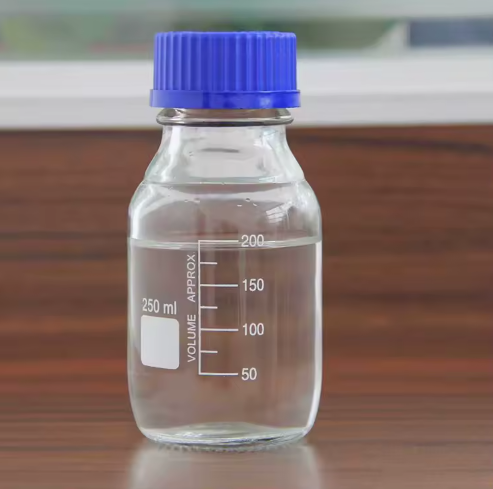
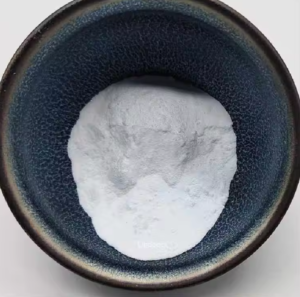
Sulfolane—chemically known as tetrahydrothiophene-1,1-dioxide—is a high-boiling, aprotic polar solvent. Its molecular structure consists of a five-membered ring containing one sulfur atom and two oxygen atoms (forming a sulfone group). This substance was first successfully developed by Shell in the 1940s and quickly gained widespread application within the petrochemical and natural gas industries.
As an excellent solvent, sulfolane possesses exceptional dissolving power and high selectivity. It exhibits a strong affinity for aromatic hydrocarbons (such as benzene, toluene, and xylene) while demonstrating low solubility toward aliphatic hydrocarbons. This characteristic makes it an ideal extractant for the industrial recovery of aromatics from reformate, and it is widely utilized in the production processes for benzene, toluene, and xylene (BTX).
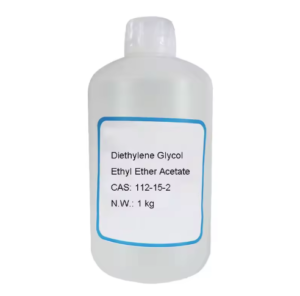
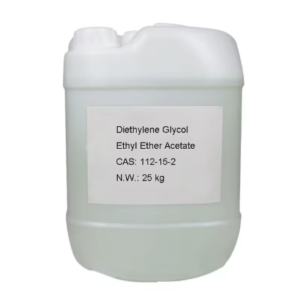
In the coatings industry, diethylene glycol monoethyl ether acetate serves as a crucial high-boiling-point solvent and film-forming aid. Due to its slow evaporation rate, it is frequently employed as a coalescing agent in latex paints, facilitating the fusion of polymer particles into a continuous film at low temperatures while enhancing the flexibility and water resistance of the paint film. It is also widely utilized in slow-drying coatings—such as nitrocellulose lacquers and natural varnishes—acting as a solvent or diluent to improve the coating’s leveling properties and gloss.
This solvent also finds application in screen printing and gravure inks; its slow evaporation characteristics help ensure uniform ink transfer and prevent defects—such as pinholes or “orange peel” textures—from occurring during the drying process.
In the field of electronics manufacturing, it is utilized as a diluent for photoresists, a photoresist stripping agent, and a cleaning agent for IC packaging, serving to remove flux residues from the surfaces of circuit boards.
Leveraging its excellent solvency and low toxicity, diethylene glycol monoethyl ether acetate is incorporated into cleaning agent formulations for hard surfaces—such as metals and glass—where it effectively removes oil stains and grease.
Product Specifications:
|
Items
|
Specification
|
Result
|
|
APPEARANCE
|
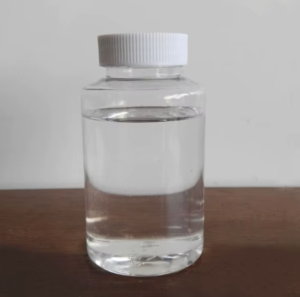
COLORLESS CLEAN LIQUID
|
COLORLESS CLEAN LIQUID
|
|
PURITY (WT%)
|
≥99.00
|
≥99.50
|
|
WATER CONTENT (WT%)
|
≤0.10
|
≤0.10
|
|
COLOR (PT-CO)
|
≤10
|
≤10
|
|
ACIDITY (AS HAC)%
|
≤0.05
|
≤0.02
|
|
DENSITY (at 20℃ g/ml)
|
—
|
0.970-0.976
|
Package:
1kg/25kg Bucket
Palletized Shipping
Lead Time: 1-7 Days
Shipping Methods: Sea/Air/Express delivery