Address
Room 2301C, 23rd Floor, Building 1, jinghu Commercial center, No, 34, Liangzhuang Street, Eri District, Zhengzhou City, Henan province
Work Hours
Monday to Friday: 7AM - 7PM
Weekend: 10AM - 5PM
Address
Room 2301C, 23rd Floor, Building 1, jinghu Commercial center, No, 34, Liangzhuang Street, Eri District, Zhengzhou City, Henan province
Work Hours
Monday to Friday: 7AM - 7PM
Weekend: 10AM - 5PM

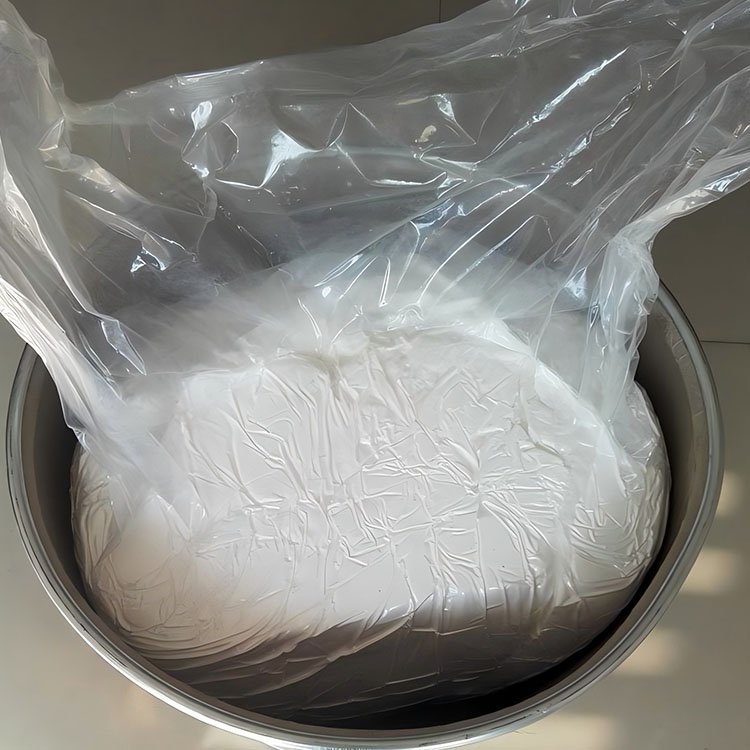
Lithium bis(trifluoromethanesulfonyl)imide (LiTFSI) is an important organolithium salt with the chemical formula C₂F₆LiNO₄S₂. As a high-performance electrolyte material, it has wide applications in lithium-ion batteries, solid-state batteries, supercapacitors, and organic synthesis catalysis. Compared to traditional lithium hexafluorophosphate (LiPF₆), LiTFSI exhibits higher thermal stability, electrochemical stability, and ionic conductivity, and is less prone to hydrolysis that produces corrosive gases, making it a key material for next-generation high-performance lithium-ion battery electrolytes. However, its corrosion of aluminum current collectors at high voltages remains a major challenge limiting its use alone.
In liquid lithium-ion batteries, LiTFSI is frequently used as a solute or additive in the electrolyte. Due to its high ionic conductivity and wide electrochemical window, it can significantly improve the rate performance and cycle life of the battery. Especially in scenarios requiring wide temperature range operation (such as military or extreme environments), LiTFSI exhibits superior performance compared to LiPF₆. Furthermore, LiTFSI helps form a robust solid electrolyte interface (SEI) film rich in inorganic lithium salts on the negative electrode surface, thereby protecting the negative electrode and promoting rapid lithium-ion transport.
LiTFSI has unique advantages in the field of solid-state batteries. It has good compatibility with polymer matrices such as polyethylene oxide (PEO) and is often used as a lithium salt in solid polymer electrolytes. LiTFSI not only provides lithium-ion transport channels, but its anions also act as plasticizers, reducing the crystallinity of the polymer and thus improving ionic conductivity. In all-solid-state sulfide electrolyte systems, LiTFSI can also be used for interface modification to address interface instability issues.
Beyond battery applications, LiTFSI is also used to prepare room-temperature ionic liquids as high-performance solvents or electrolytes. In organic synthesis, it can serve as a Lewis acid catalyst, promoting reactions such as hydrolysis and redox reactions. Furthermore, in perovskite solar cells, LiTFSI is frequently used as a dopant in hole transport materials to improve the device’s photoelectric conversion efficiency.
Technical Specifications:
|
Items
|
Specification
|
|
Appearance
|
White powder.
|
|
H2O
|
≤0.05%
|
|
Assay
|
≥99.5%
|
|
SO42(ppm)
|
≤20
|
|
F–(ppm)
|
≤20
|
|
Cl–(ppm)
|
≤10
|
|
Na (ppm)
|
≤10
|
|
K (ppm)
|
≤10
|
|
pH
|
6-8
|
Package:
1Kg / 25Kg Bucket
Palletized Shipping
Lead Time: 1-7 Days
Shipping Methods: Sea/Air/Express delivery