Address
Room 2301C, 23rd Floor, Building 1, jinghu Commercial center, No, 34, Liangzhuang Street, Eri District, Zhengzhou City, Henan province
Work Hours
Monday to Friday: 7AM - 7PM
Weekend: 10AM - 5PM
Address
Room 2301C, 23rd Floor, Building 1, jinghu Commercial center, No, 34, Liangzhuang Street, Eri District, Zhengzhou City, Henan province
Work Hours
Monday to Friday: 7AM - 7PM
Weekend: 10AM - 5PM

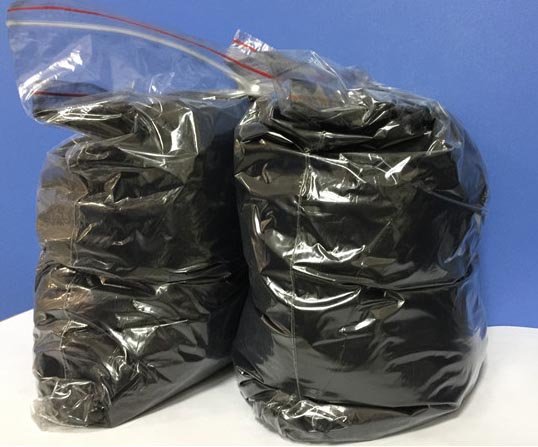
Carbon nanotubes (CNTs) are cylindrical nanomaterials formed by carbon atoms in an sp² hybridization configuration. Their structure can be viewed as a seamless hollow cylinder formed by rolling up one or more layers of graphene sheets. The diameter is typically in the nanometer range (1-100 nm), while the length can reach the micrometer or even centimeter range, exhibiting an extremely high aspect ratio. Based on the number of wall layers, carbon nanotubes are mainly divided into single-walled carbon nanotubes (SWCNTs) and multi-walled carbon nanotubes (MWCNTs).
Carbon nanotubes exhibit excellent physicochemical properties due to their unique structure, earning them the title of “king of nanomaterials.” They possess extremely high strength and elastic modulus; their tensile strength is 100 times that of steel, while their density is only 1/6 that of steel, making them the strongest known fiber material. Simultaneously, carbon nanotubes also possess excellent electrical and thermal conductivity; their electron mobility is high, and their thermal conductivity can be several times that of copper. In addition, carbon nanotubes exhibit a unique quantum confinement effect, and depending on the way they are rolled up, they can exhibit the electrical properties of metals or semiconductors.
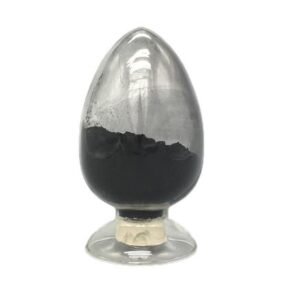
In the energy sector, carbon nanotubes are primarily used as conductive agents in lithium-ion batteries. Compared to traditional carbon black conductive agents, carbon nanotubes can form a more efficient three-dimensional conductive network, significantly reducing battery internal resistance and improving rate performance and cycle life. With the development of high-nickel cathodes, silicon-based anodes, and solid-state battery technologies, the demand for high-performance carbon nanotube conductive agents is experiencing explosive growth. Furthermore, carbon nanotubes can also be used as electrode materials for supercapacitors.
Carbon nanotubes have significant application potential in the electronics field. Due to their excellent conductivity and semiconductor properties, carbon nanotubes can be used to manufacture high-performance field-effect transistors (CNTFETs), potentially replacing silicon chips and enabling smaller, faster, and more energy-efficient integrated circuits. In addition, utilizing the transparent conductivity of carbon nanotubes, flexible touchscreens, transparent conductive films, and other display devices can be fabricated.
Carbon nanotubes can significantly improve the mechanical properties of composite materials as a reinforcing agent. Adding a small amount of carbon nanotubes to polymers (such as plastics and rubber), metals, or ceramic matrices can form high-strength, high-modulus, and lightweight composite materials. For example, carbon nanotube-reinforced plastics (conductive plastics) possess excellent antistatic and conductive properties and are widely used in semiconductor manufacturing and antistatic flooring.
In the biomedical field, carbon nanotubes are being studied for use as drug delivery carriers, bioimaging probes, and cell sensors. Their unique tubular structure and large specific surface area enable them to load large amounts of drugs and achieve targeted release. Furthermore, carbon nanotubes can also be used to manufacture tissue engineering materials such as artificial blood vessels and bone repair scaffolds.
Technical Specifications:
| Item name | High purity 99% MWCNT Multi-Walled Carbon Nanotubes |
| Item NO | C930, C931,C932 |
| Diameter | 10-30nm,30-60nm, 60-100nm |
| Length | 5-20um and 1-2um |
| Purity(%) | 99.5%, 99%, also available lower purity for industrial use |
| Color | Black |
Package:
1kg / 25kg Bag
Palletized Shipping
Lead Time: 1-7 Days
Shipping Methods: Sea/Air/Express delivery