Address
Room 2301C, 23rd Floor, Building 1, jinghu Commercial center, No, 34, Liangzhuang Street, Eri District, Zhengzhou City, Henan province
Work Hours
Monday to Friday: 7AM - 7PM
Weekend: 10AM - 5PM
Address
Room 2301C, 23rd Floor, Building 1, jinghu Commercial center, No, 34, Liangzhuang Street, Eri District, Zhengzhou City, Henan province
Work Hours
Monday to Friday: 7AM - 7PM
Weekend: 10AM - 5PM

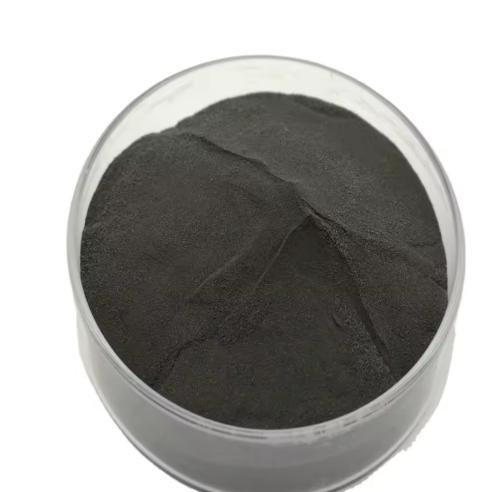
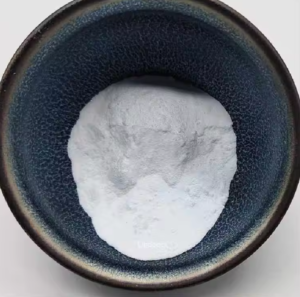
Molybdenum disulfide (MoS₂) is an inorganic compound composed of molybdenum and sulfur, with the chemical formula MoS₂. It occurs naturally as the mineral molybdenite and serves as the primary ore source for the extraction of metallic molybdenum. Molybdenum disulfide possesses a characteristic layered structure, consisting of a layer of molybdenum atoms sandwiched between two layers of sulfur atoms; atoms within each layer are bound by strong covalent bonds, while the layers themselves are linked by weaker van der Waals forces. This unique structure endows it with an exceptionally low coefficient of friction and outstanding lubricating properties, earning it the title “King of Lubricants,” and leading to its widespread application as a solid lubricant in fields such as machinery, aerospace, and automotive engineering.
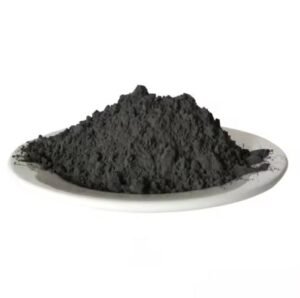
Due to its unique layered structure and extremely low coefficient of friction (0.03–0.06), molybdenum disulfide is widely utilized as a solid lubricant.
It exhibits excellent mechanical flexibility, making it suitable for the fabrication of flexible displays, sensors, and wearable electronic devices.
Leveraging its direct bandgap properties, it can also be employed to fabricate high-performance photodetectors, light-emitting diodes (LEDs), and solar cells.
The layered structure of molybdenum disulfide facilitates the intercalation and deintercalation of lithium ions; thus, it serves as an electrode material additive that significantly enhances the specific capacity and cycling stability of lithium-ion batteries. Furthermore, its high specific surface area and electrical conductivity render it a high-performance electrode material for supercapacitors.
Possessing excellent biocompatibility and low toxicity, it is currently being explored for applications in fields such as drug delivery carriers, bioimaging, and antimicrobial agents.
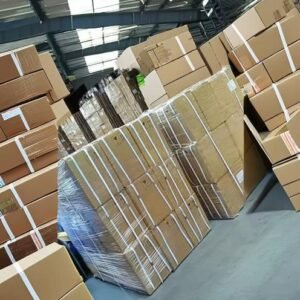
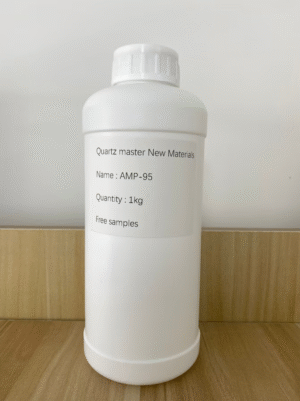
Package:
1kg/20kg Bag
Palletized Shipping
Lead Time: 1-7 Days
Shipping Methods: Sea/Air/Express delivery