Address
Room 2301C, 23rd Floor, Building 1, jinghu Commercial center, No, 34, Liangzhuang Street, Eri District, Zhengzhou City, Henan province
Work Hours
Monday to Friday: 7AM - 7PM
Weekend: 10AM - 5PM
Address
Room 2301C, 23rd Floor, Building 1, jinghu Commercial center, No, 34, Liangzhuang Street, Eri District, Zhengzhou City, Henan province
Work Hours
Monday to Friday: 7AM - 7PM
Weekend: 10AM - 5PM

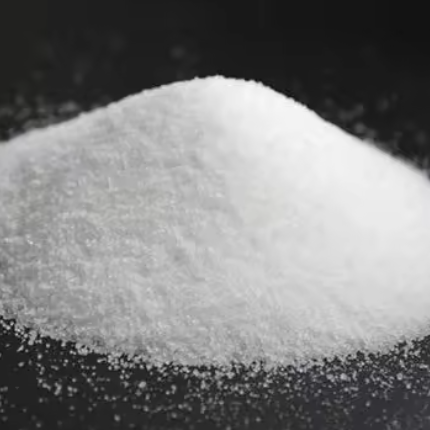
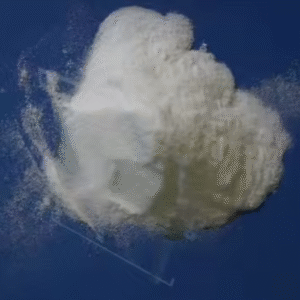
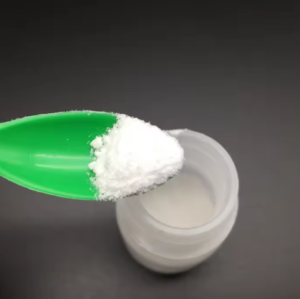
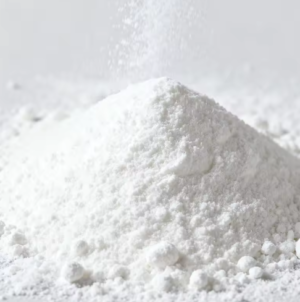
Sodium monofluorophosphate is a white powder or fine crystals at room temperature. As a highly efficient fluoride compound, it has wide applications in various fields such as daily chemicals, industry, and agriculture. Especially in the field of oral care, sodium monofluorophosphate is one of the most important anti-caries agents and is often added to personal care products such as toothpaste and mouthwash.
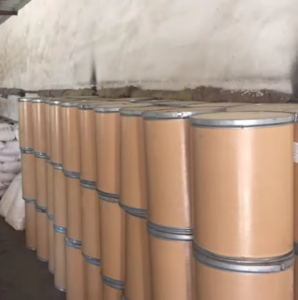
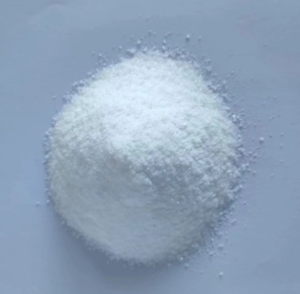
Product picture:
As an anti-caries active ingredient, it is often added to toothpaste as a substitute for or partial replacement of sodium fluoride. Compared to sodium fluoride, sodium monofluorophosphate has better compatibility with abrasives in toothpaste (such as dicalcium phosphate), is less prone to side reactions, and does not stain teeth. In addition, it is also used in daily oral care products such as mouthwash to help prevent tooth decay and gingivitis.
In the industrial field, sodium monofluorophosphate is used to remove oxides and dirt from metal surfaces, possessing both cleaning and corrosion-inhibiting functions.
In wood preservation, it can be used as a preservative to prevent wood decay and insect infestation.
In glass manufacturing, it is used as a flux and opacifier in opalescent glass and special optical glass.
In agriculture, it was once used to control certain crop pests and diseases, but its application is limited due to environmental reasons.
|
Item
|
Specification
|
|
Product Name
|
Sodium Monofluorophosphate
|
|
Appearance
|
White powder
|
|
Sodium monofluorophosphate (Na2PO3F)%
|
98.0MIN
|
|
Combined Fluorine (F)%
|
12.8MIN
|
|
Free Fluorine (F)%
|
≤1.0%
|
|
Total Fluorine (F)%
|
0.6MAX
|
|
PH(20g/l Aqueous Solution)
|
13.0MIN.
|
|
Arsenic(As),%
|
0.0003MAX
|
|
Heavy Metals,(Pb),%
|
0.005MAX
|
|
Loss on Drying,%
|
0.2MAX
|
Package:
1kg / 25kg bucket
Palletized Shipping
Lead Time: 1-7 Days
Shipping Methods: Sea/Air/Express delivery