Address
Room 2301C, 23rd Floor, Building 1, jinghu Commercial center, No, 34, Liangzhuang Street, Eri District, Zhengzhou City, Henan province
Work Hours
Monday to Friday: 7AM - 7PM
Weekend: 10AM - 5PM
Address
Room 2301C, 23rd Floor, Building 1, jinghu Commercial center, No, 34, Liangzhuang Street, Eri District, Zhengzhou City, Henan province
Work Hours
Monday to Friday: 7AM - 7PM
Weekend: 10AM - 5PM

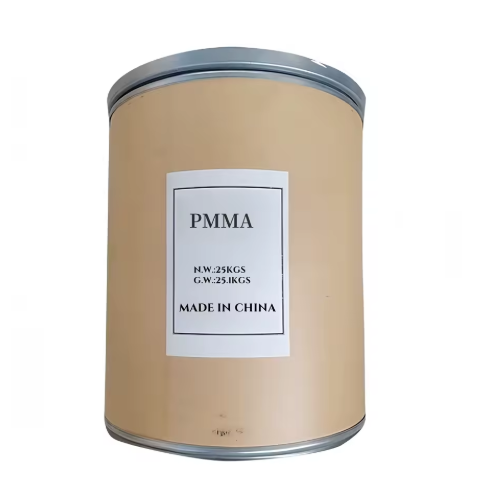
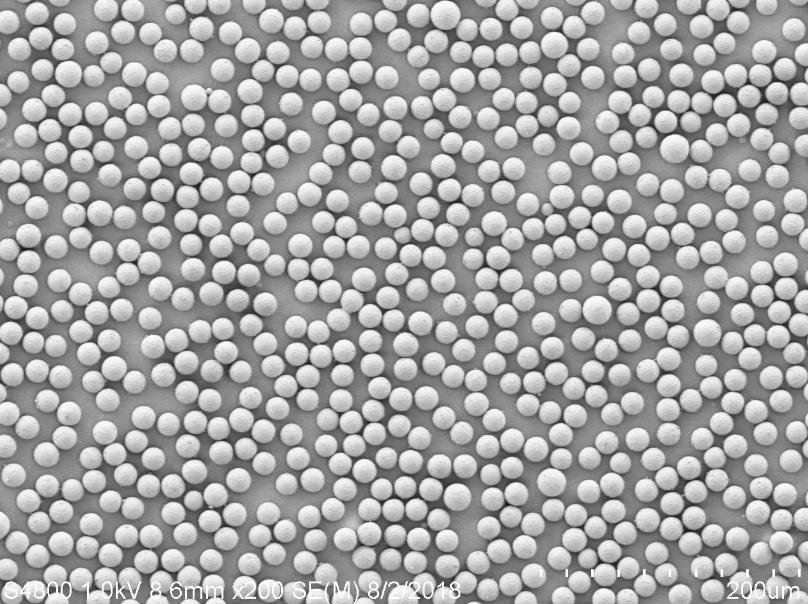
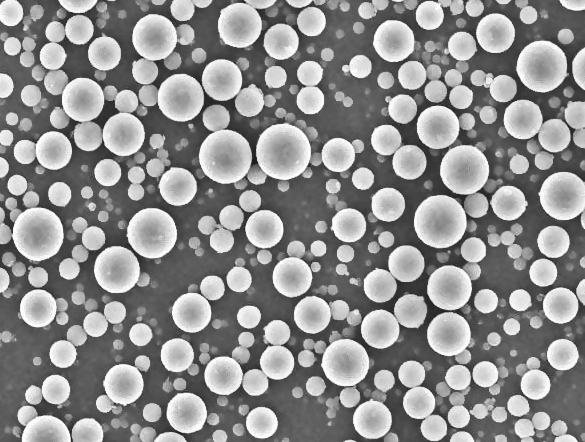
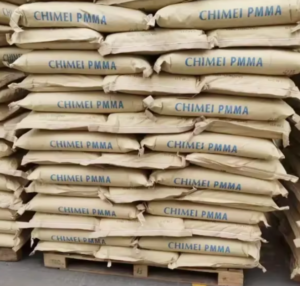
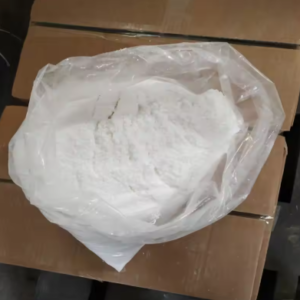
Polymethyl methacrylate (PMMA)—commonly known as acrylic or Plexiglas—is a high-performance thermoplastic polymer material renowned for its high transparency, excellent weather resistance, good mechanical strength, and ease of processing.
1. Architecture and Advertising: Used for billboards, skylights, decorative panels, and similar applications, where its lightweight nature, high transparency, and weather resistance serve as a superior alternative to glass.
2. Automotive Industry: Employed in tail light covers, interior panels, headlamp lenses, and even lightweight body components. Driven by the trends toward automotive intelligence, lightweight design, and the widespread adoption of new energy vehicles, demand in this sector is experiencing rapid growth—particularly for heat-resistant and high-gloss PMMA.
3. Optics and Electronics: Utilized in light guide plates for Liquid Crystal Displays (LCDs), diffusion panels for LED lighting, optical lenses, fiber optics, and even lenses for VR/AR devices. These applications impose extremely rigorous requirements on material properties, including light transmittance, low haze, high refractive index, and dimensional stability.
4. Healthcare and Medical Sector: Leveraging its biocompatibility and high transparency, the material is used to manufacture observation windows for dialysis equipment, surgical instruments, dental materials, intraocular lenses, and similar products.
5. New Energy and Other Fields: In the photovoltaic industry, it is used in solar panel modules; it also serves as a potential substitute for PVDF as a coating material for lithium-ion batteries.
Technical Specifications:
|
Average Particle
|
6pm
|
|
Loss on Drying
|
2.0% Max
|
|
pH
|
5.0~8.0
|
|
Heavy Metal
|
5ppm Max
|
|
Arsenic
|
1ppm Max
|
|
Total Aerobic Bacterial Count
|
100/g Max
|
Package:
1kg /20kg Bag
Palletized Shipping
Lead Time: 1-7 Days
Shipping Methods: Sea/Air/Express delivery